Top 10 Oven Baked Polymer Clay
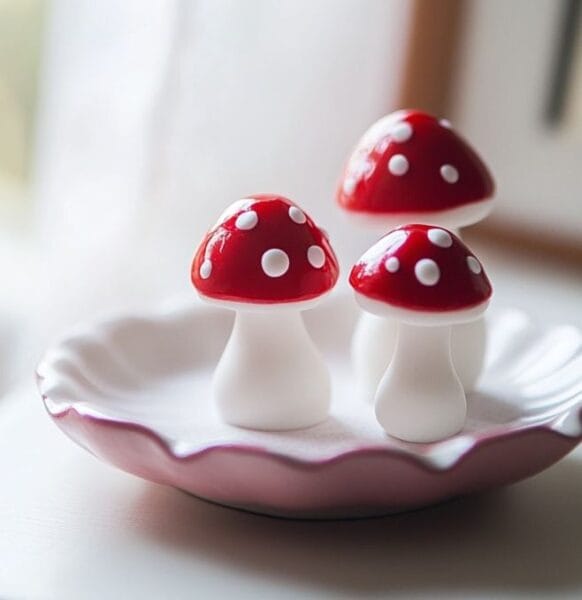
Here is a list of some of the best oven baked clay for beginners. Oven baked clay is one of the most fun materials to use for crafting. It starts soft and flexible, so you can shape, roll, and sculpt it into almost anything. Once baked, it becomes strong and solid, making it fantastic for earrings, charms, small figures, and detailed décor.
Polymer clay comes in many colors, finishes, and firmness levels. Some are better for tiny details, while others are great for larger projects. The right clay holds its shape while still being easy to work with, so choosing the right type makes crafting smoother and more enjoyable.
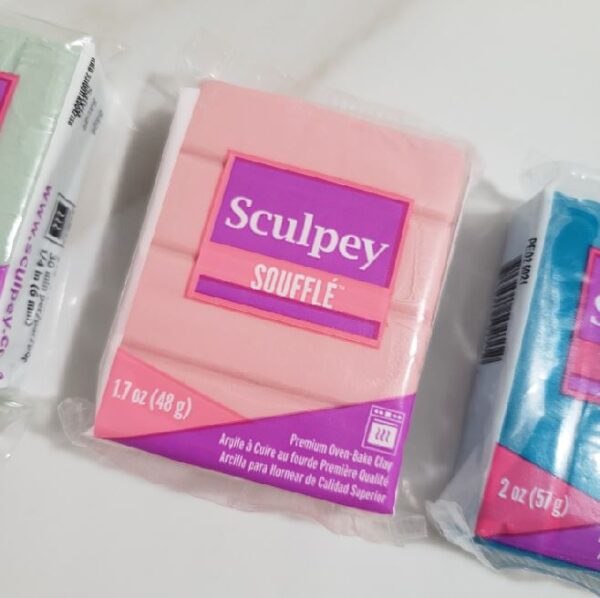
I’ve been using polymer clay for years, and it’s still one of my favorite materials to create with. I love how it feels in my hands and how it turns from soft clay into something that lasts. Over time, I’ve tried different brands, baked many batches, and learned which clays work best for different types of projects. Today I’m partnering up with my friends over at Sculpey, which is one of my top favorites to use.
Best Oven Baked Polymer Clay
Sculpey is one of the most trusted names in oven baked clay, and for good reason. They have different types of clay for every kind of project, from soft and easy to mold versions to firm clays made for detailed work. Below are some of the best Sculpey clays to try and what makes each one stand out.
1. Sculpey Soufflé™ Oven Bake Clay
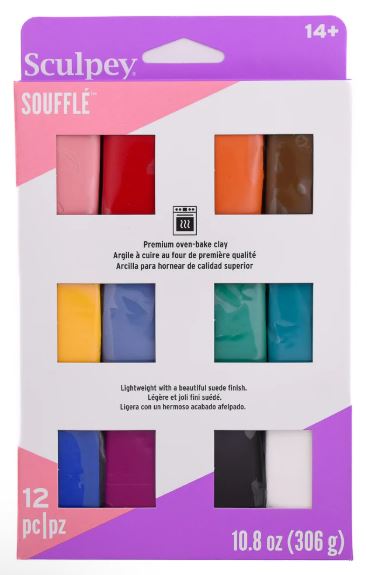
This is what you need when you need a light, flexible, and easy to handle oven baked clay. It’s soft enough to shape right out of the package, yet firm enough to hold fine details. After baking, it has a smooth, suede like finish that makes it good for jewelry, textured art, and sculpted designs. It’s strong but not brittle, so finished pieces are durable without being heavy.
2. Sculpey III® Oven Bake Clay (Singles)
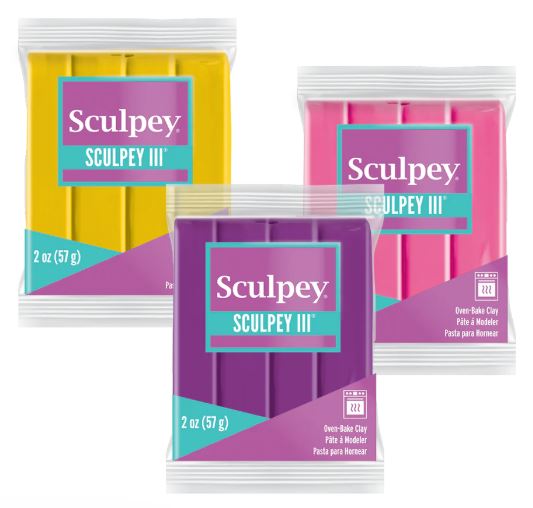
Sculpey III® Oven Bake Clay is a great choice for beginners and for those who just want to get into oven baked clay. It’s soft, easy to knead, and simple to blend, making it good for basic projects and learning new techniques. Once baked, it holds color well and has a smooth finish. You can use this type for small crafts, ornaments, and fun DIY projects at home.
3. Sculpey Premo™ Oven Bake Clay
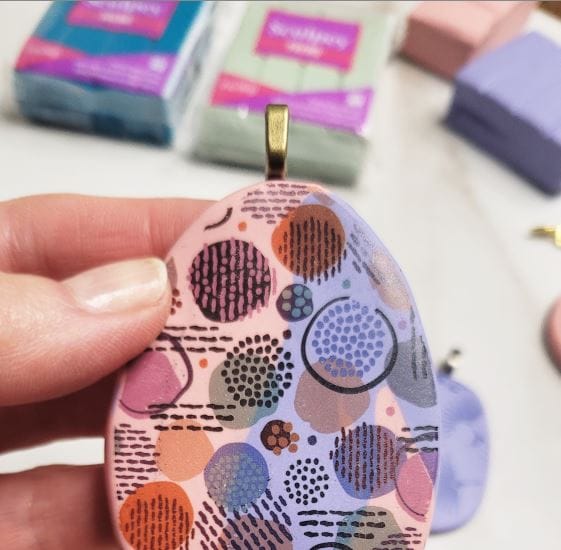
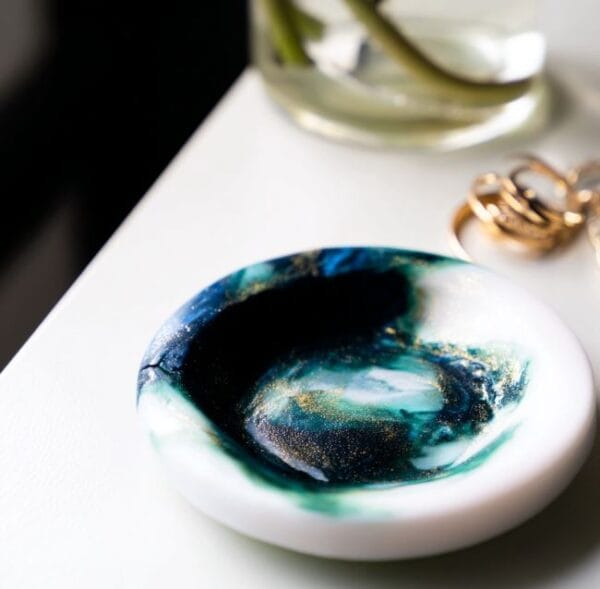
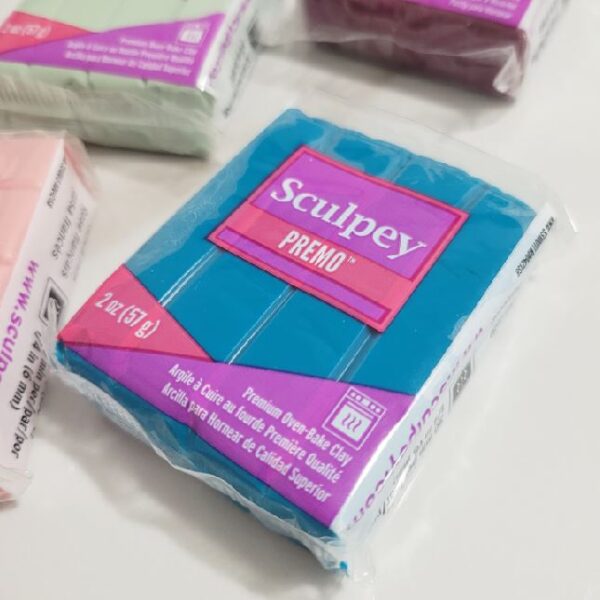
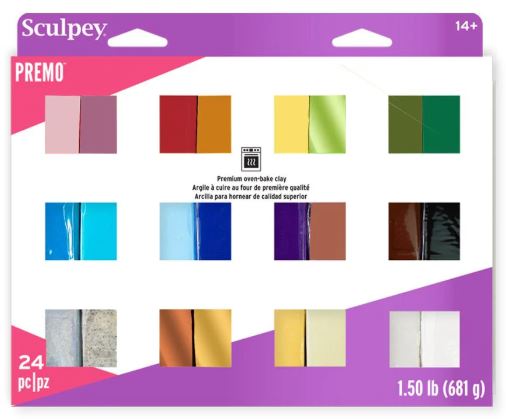
This is one of my favorite polymer clays for crafts. It stays firm while shaping, which helps hold fine lines and textures. After baking, it’s durable but still slightly flexible, making it good for trinket dishes, sculptures, and mixed media projects. Condition the clay well before sculpting to make it easier to shape and blend colors. If you have a polymer clay business, Premo is a good choice for creating high quality pieces for your craft fairs or Etsy shops.
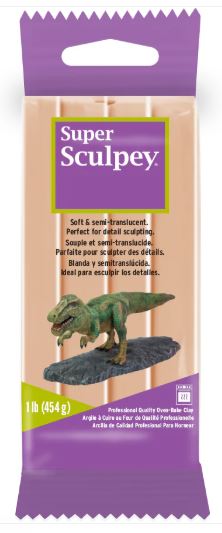
4. Super Sculpey® Beige
Super Sculpey® Beige is the one to use for sculpting, for when you need time to work on fine details. One of its best features is that it stays soft until baked, so you can shape, refine, and adjust your piece over several days without it hardening. After baking, it becomes firm and durable. This is the oven baked clay to use for realistic figures, models, animations and detailed art projects.
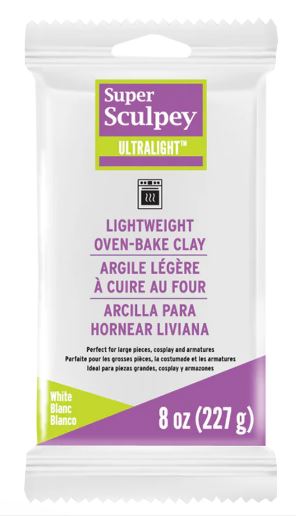
5. Super Sculpey Ultralight™
Super Sculpey® Ultralight™ is a lightweight clay that’s a favorite to use for larger sculptures or projects where you don’t want the finished piece to be heavy. Once baked, it’s firm but much lighter than regular clay, so it’s really good to use for wall hangings, large figures, or pieces that need to be easy to handle. Use it for sculptures to reduce weight.
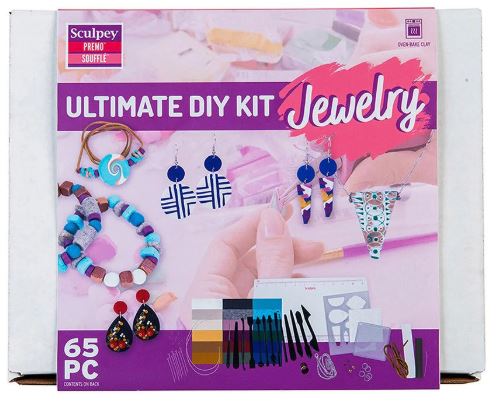
6. Sculpey Jewelry Kit
Sculpey jewelry kits are a great for anyone who wants to make their own jewelry without buying everything separately. They come with a selection of colorful clays and the basic tools you need to shape, texture, and bake your designs. This kit is perfect for beginners or anyone who wants to create jewelry without having to buy everything separately. What I really love about this kit is that you can experiment with mixing colors to make really neat color combos.
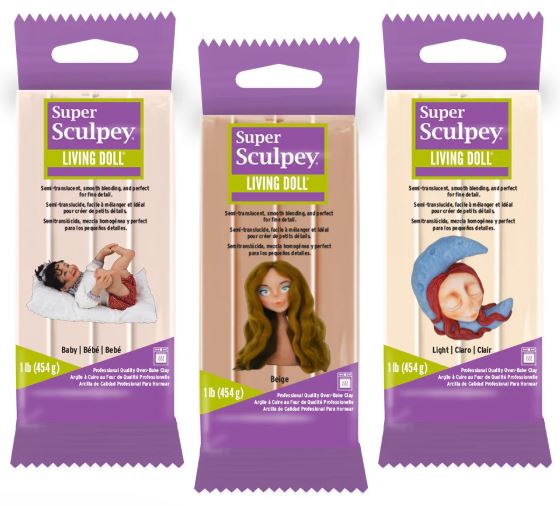
7. Super Sculpey Living Doll™
This oven baked clay is the one to use for all of the dollmakers out there! It’s made for crafters who want highly realistic dolls and figures. It has a fine, smooth texture that makes shaping delicate features like faces, hands, and clothing much easier. After baking, it’s strong and durable, so finished pieces hold their detail and can be displayed or collected. Tip: Use gentle strokes and small tools to bring out the finest details.
8. Sculpey III® 30 Color Sampler
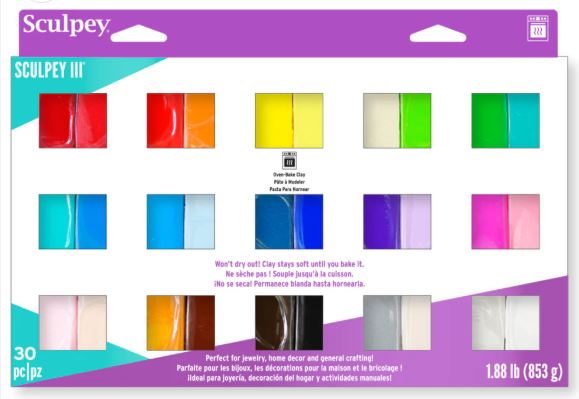
Now, if you are just getting into polymer clay, this 30 color sampler is a way to start with many colors. It gives you plenty of colors to mix, match, and experiment with, making it easy to try new techniques and designs. This set is great for small projects, charms, and learning how different colors work together.
9. Original Sculpey®
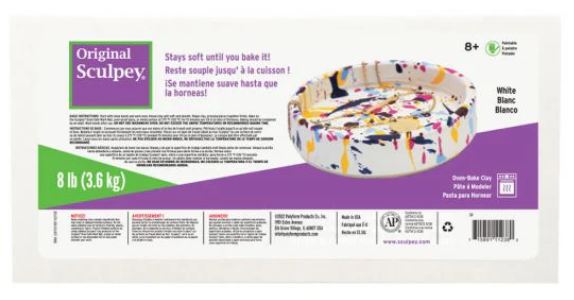
This was the first polymer clay that could be baked right in a home oven, and it’s still a favorite today. It’s soft, easy to shape, and great for learning basic sculpting techniques. After baking, it has a matte, slightly porous finish that can be painted or sanded for a smooth look. You can use it for practice, larger projects, or anything you plan to paint after baking.
10. Liquid Sculpey®
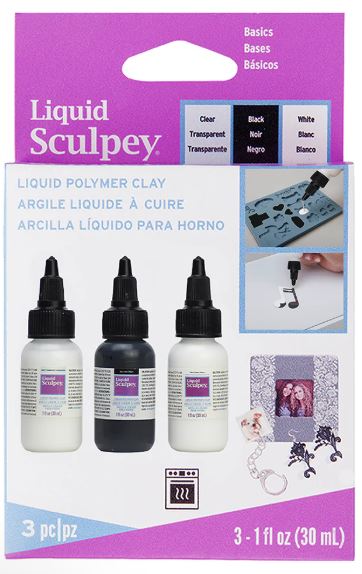
I’ve used this one so many times and love it. This liquid version of polymer clay opens up a whole new way to craft. It can be poured into molds, brushed onto surfaces, or used as a bonding layer between unbaked clay pieces. You can also mix in mica powder or pigments to create custom colors for jewelry, charms, or surface designs. It’s especially handy for sealing baked pieces or adding translucent layers to your work.
Tips For Using Oven Baked Clay
Condition your clay before shaping
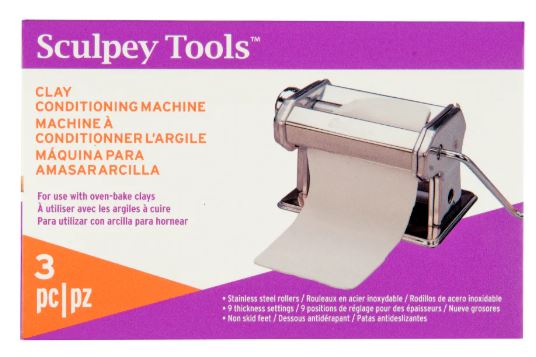
Before you start sculpting, make sure to condition your clay. This means warming it up and kneading it until it’s smooth and flexible. Proper conditioning helps the clay bake evenly and helps stop those cracks or weak spots. You can roll it in your hands, use a conditioning machine, or press it flat and fold it several times. Taking a few extra minutes to do this makes a big difference in how strong and smooth your finished piece turns out.
Use the right baking surface
The surface you bake on can affect the look of your finished clay. A ceramic tile, glass sheet, or piece of parchment paper helps distribute heat evenly and keeps your projects flat as they bake.
Watch your temperature and baking time
Each type of oven baked clay has its own ideal temperature and time. Always follow the directions on the package. Baking too hot can cause the clay to darken or bubble, while baking too cool can leave it soft inside. It’s better to bake a little longer at the right temperature than to risk underbaking.
Keep tools and work surfaces clean
Polymer clay picks up lint, dust, and color easily. Wipe your tools and hands when switching between colors to keep them bright and clean. A simple lint free wipe or scrap of clay can lift leftover bits before they transfer to your project. If you’re working on a light color, clean your surface from time to time.
Add finishing touches after baking
Once your clay is baked and cooled, you can sand, buff, or glaze it for a smooth finish. Start with fine sandpaper and move to higher grits for a glassy surface. A thin layer of clear glaze adds shine and protects your work from scratches. If you prefer a matte look, skip the glaze and use a soft cloth to gently buff the surface.
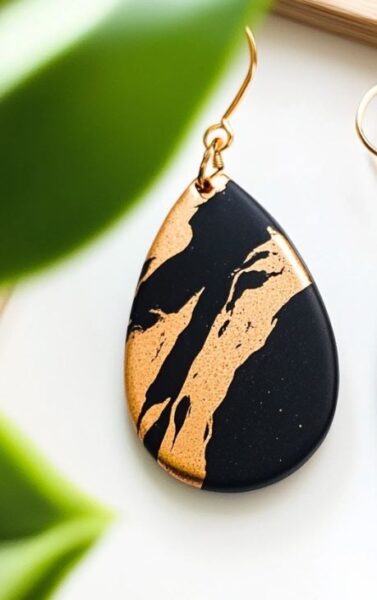
Using Oven Baked Clay And Resin
To make your pieces super shiny, you can use polymer clay with resin, and they work great together. UV resin is a good choice because it cures quickly and gives a clear, glossy finish. You can use it to seal the surface of baked clay, fill small details, or add a glass-like shine to jewelry pieces. Just make sure your clay is fully baked and cooled before applying the resin. Visit this article about using resin on polymer clay for tips.
I hope you found this list helpful and that it makes your next clay project even better. Every formula has something special to offer, so try a few and see which one feels right for you. If you liked this post, share it with a friend who enjoys crafting too, it helps others find good clay and keeps this creative community growing.
Next, check out this article about how to start a polymer clay business if you want to sell your creations.