How to dispose of Epoxy resin
This is how tp properly dispose of epoxy resin so you can handle leftover resin, cured epoxy, mixing cups, and other supplies safely. Liquid epoxy resin and hardener need to be handled differently from fully cured epoxy resin. Proper epoxy resin disposal includes letting leftover mixed resin cure completely before placing it in household trash, while liquid resin should be handled according to the product label and local waste rules. Knowing how to dispose of epoxy resin, epoxy hardener, and resin contaminated materials makes cleanup much simpler.

I know leftover resin can feel like one more thing to figure out after finishing a project, so having a simple plan helps. For small amounts of mixed epoxy, letting the resin cure fully in a safe, well ventilated area is often the easiest step before disposal. Once epoxy has completely hardened, it is much more stable for regular waste handling than liquid resin. These tips can help you clean up your craft space with a clear idea of what to do with leftover epoxy resin and the supplies used with it.
how to properly dispose Of Epoxy resin
1. Check Local Guidelines First
Start by checking your local waste disposal guidelines before getting rid of epoxy resin. Disposal rules can vary by municipality, and liquid resin or hardener may need to go to a household hazardous waste facility. Your local government website or waste facility can tell you where these materials should go and how they need to be handled. This quick check gives you the right disposal information for your area.

You can also look at the label on your epoxy resin for specific disposal instructions from the manufacturer. If you have leftover liquid resin or hardener, contact your local waste facility for guidance before putting it in the trash. Don’t pour epoxy resin or hardener down a drain or flush it down a toilet, since these products can cause problems in water systems.
2. Cured Resin Disposal
Once epoxy resin has fully cured and hardened, it can usually go into your regular household trash. Fully cured epoxy is no longer a liquid, so it can be handled as a solid waste material. Let small amounts cure completely before putting them in the garbage. Check your local waste guidelines first, since disposal rules can vary by area.
For leftover resin from a craft project, curing it before disposal makes cleanup much easier. Don’t handle the resin until it has completely hardened, and keep it away from children and pets while it cures. Once it is fully solid, wrap or contain the cured pieces before placing them in your household garbage.
3. Disposing Uncured Resin
Uncured epoxy resin and hardener need special care because they are still reactive materials. Don’t pour liquid resin into a sink, toilet, storm drain, or onto the ground. Keep the resin in its original container with the label attached, and follow the disposal instructions provided by the manufacturer. Your local household hazardous waste facility can tell you how to dispose of leftover liquid resin in your area.
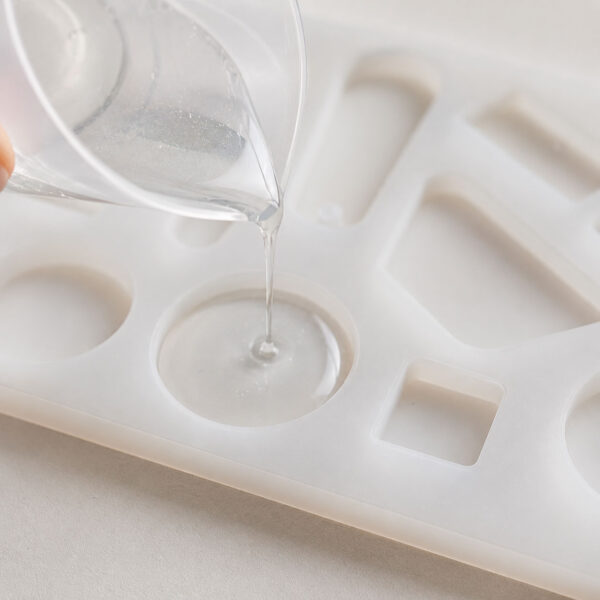
If you have a small amount left after a craft project, keep it sealed in its container until you can take it to the appropriate waste facility. Don’t mix leftover resin with other household chemicals, since different products can react together. Wearing the protective equipment listed on the product label can also help you handle uncured resin safely while preparing it for disposal.
4. Start Collecting Your Cured Epoxy Scraps
You can collect small pieces of fully cured epoxy resin scraps in a container. Cured resin scraps can include leftover pieces from sanding, trimming, casting, or other craft projects. For craft projects, I find it helpful to keep a small container nearby as you work so resin scraps have one place to go. Once the pieces are fully hardened, you can empty the container into your regular garbage if your local guidelines allow it. You can also use these pieces to add into your other pours as embeds too. I love it when you can collect cured resin pieces to reuse. Epoxy is not cheap so every time you can use it up is a good thing.
5. Do Not Put Resin Down A Drain
Never pour liquid epoxy resin or hardener into a sink, toilet, floor drain, or storm drain. Uncured resin can stick to plumbing surfaces and may harden inside pipes, creating costly plumbing problems. These chemicals can also move into wastewater and the environment. Keep leftover liquid resin in its original container and follow your local disposal guidelines.
6. Cleaning Up Spills
If you spill uncured epoxy resin, use a resin wipe to carefully clean the area. Resin wipes are made for cleaning up resin from work surfaces and can make small spills much easier to handle. Follow the instructions on your resin wipe package and the epoxy product label as you clean. Place used wipes in the appropriate waste container based on your local disposal guidelines.

I like keeping resin wipes close by whenever I work with epoxy because spills can happen during pouring, mixing, or transferring resin. Having them within reach means you can clean up the area right away instead of searching for supplies. After wiping the surface, check it for any remaining sticky spots and clean them according to the product instructions. This simple step helps keep your workspace neat and ready for your next project.
7. Labeling Resin Containers
For craft projects, labeling containers can make cleanup much simpler, especially when you have several resin products in your workspace. Write the product name and disposal information somewhere easy to see so you know exactly what you are handling later. Keeping the original label or product information nearby also gives you useful details when contacting your local waste facility. In my craft room I like to have a label maker and it just keeps everything organized for my bins and containers.

8. Professional Epoxy Resin Disposal
For workshops, businesses, and larger epoxy projects, you might have larger quantities than regular household use. A licensed waste service can collect certain resin products and transport them to an approved disposal facility. Keep records of the products being discarded, including the resin name, hardener, quantity, and product information. Local waste authorities can explain which services handle these materials in your area.

If you use epoxy resin often, setting aside a designated storage area for waste containers can make disposal days much easier. Keep each product clearly identified and record what is added to the container as you work. This gives you useful information when arranging collection and helps keep your workspace organized. It also makes it easier to keep track of how much resin waste your projects create over time.
9. Start Using Reusable Tools and Molds
Reusable silicone molds, mixing tools, measuring cups, and other resin supplies can help reduce the amount of waste created during epoxy projects. Silicone molds can be cleaned and used again when they are made for repeated resin casting. Tools made from materials that release cured resin easily can also be reused for future projects. Choosing reusable supplies means fewer disposable items need to be discarded after each project.
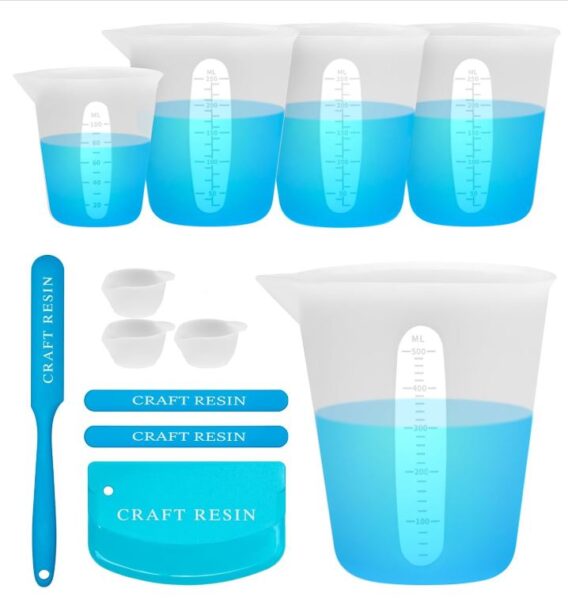
For your own craft space, keeping a small collection of reusable tools can make resin projects simpler and create less cleanup waste. Silicone molds are especially handy because cured resin can often be removed once it has fully hardened. Clean your tools according to the manufacturer’s instructions and store them somewhere dry between projects. Over time, reusable supplies can mean fewer mixing cups, molds, and tools going into the trash.
10. Calculate How Much Resin You Need
Using the right amount of epoxy resin for your project can help you work with less leftover material. Before mixing, measure the size of your mold or project area so you know roughly how much resin you need. I have a handy resin calculator for a flood coat that can help you figure out the amount needed based on your project’s measurements.
I always think it is helpful to have the calculation done before mixing, especially when working with larger molds or several pieces at once. Enter your measurements into our handy calculator, check the amount it gives you, then measure your resin and hardener according to the product’s mixing ratio.
More epoxy resin articles
- Epoxy resin business
- Why bubbles are forming in resin
- How to get uncured resin out of molds properly
- How to clean silicone mixing cups
- Best reusable silicone molds for resin