How Much Pigment Per Gallon Of Epoxy Resin
This is how to measure how much pigment per gallon of epoxy resin for your next epoxy project. The right amount of epoxy resin pigment helps create beautiful colors while keeping the resin ready for crafting. You will learn about pigment ratios, color additives, mica powder, liquid pigments, and how they work with epoxy resin. These tips make it easier to mix resin colors for tables, art pieces, molds, and other creative projects.
When I first started working with epoxy resin, figuring out pigment amounts was one of the biggest parts of learning the process. Having a simple guide for resin pigment ratios can help you feel more comfortable mixing colors for your own creations. This information helps you understand how different pigments affect the look and texture of your finished resin piece. Once you know the basics, you can have fun testing shades and creating designs that feel like you.

Below are also a couple of helpful charts of common measurements, and how much colorants to use for smaller projects that are under one gallon. The chats will help you know how much mica powder per gallon of epoxy.
How Much Powdered Pigment Per Gallon Of Epoxy?
When using powdered pigment in epoxy, a common starting point is 2-7% by weight. The ideal amount of pigment per gallon of epoxy depends on the intensity of color you are wanting to get.
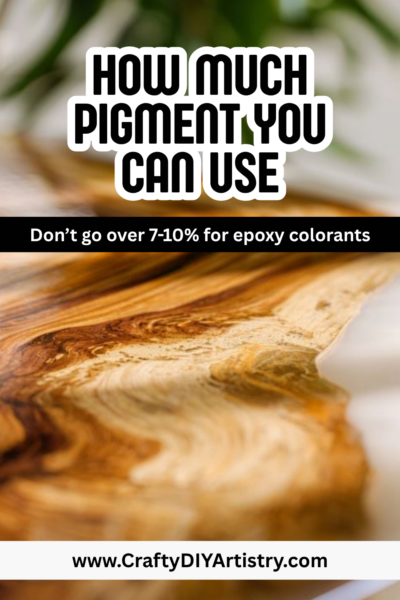
When adding color to resin, start off with adding a little bit of pigment and see if you like the translucency. If you are going for a stronger color, then add more. Do not go over around 7% or this may cause some serious problems like uncured resin or seizing.
Some epoxy Resins Can Handle More Pigment
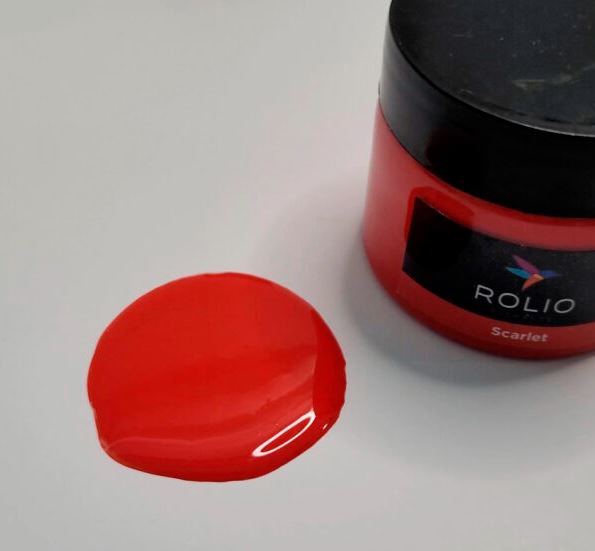
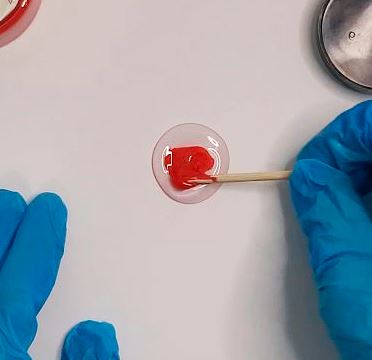
There are epoxy resins that can take more of a pigment load, even up to 10% and still cure fine. The best way is to test. Test different pigment loads to see how far you can go before coloring a huge batch. Epoxy resin is pricey and you only have one chance to get it right. So testing is the only way you are going to know exactly what your thing is going to look like. For example, I did a test with this Rolio pigment paste and I just used the smallest amount and it turned my swatch an opaque red right away. So you might need to switch to a paste instead if you need it to look like this.
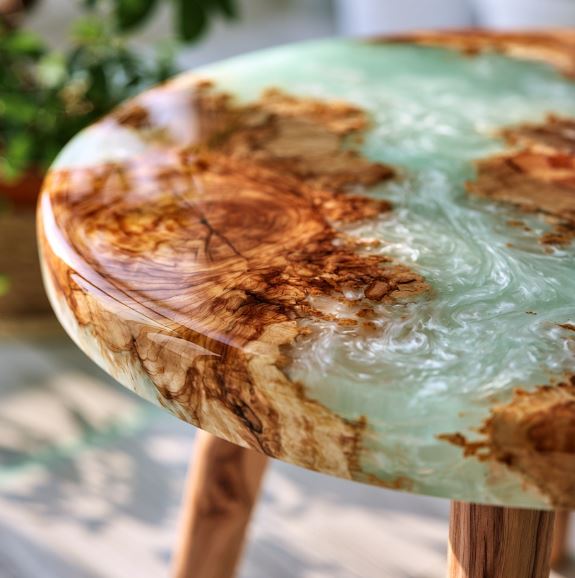
The amount of pigment you need can vary depending on the look you want to create. If you’re going for a pretty translucent finish where you can still see through the resin, a small amount of pigment may be all you need. For a bold, opaque color that completely covers what’s underneath, you’ll want to add more pigment. For projects like an epoxy resin table with rocks or other decorative pieces inside, keeping the resin more transparent usually gives the best effect. This lets the details show through while still adding beautiful color.

Also, the type of pigment or colorant is important because some powdered pigments have more color density than others depending on the brand. You will generally need to use less pigments when using a high quality brand.
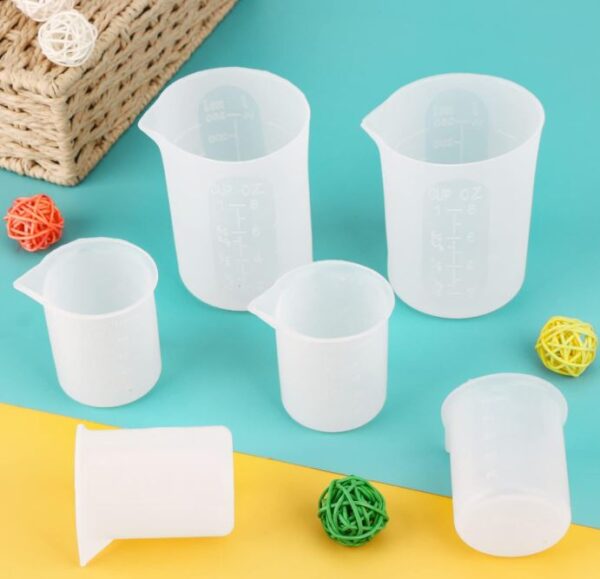
Starting with a little bit at first let’s you adjust the intensity without risking going too far. Always refer to the manufacturer’s recommendations to see what they say. As a general guideline, start with a small amount and gradually increase the pigment powder until you get the color you need. To calculate the common amounts of colorants per gallon of epoxy resin you will need a scale that will calculate grams.

Common Amounts Of Powdered Pigments Per Gallon Of Epoxy
| Resin Volume (Equivalent Measures) | 1% Pigment (grams) | 2% Pigment (grams) | 3% Pigment (grams) | 4% Pigment (grams) | 5% Pigment (grams) | 6% Pigment (grams) | 7% Pigment (grams) |
|---|---|---|---|---|---|---|---|
| 1 cup | 0.025 | 0.05 | 0.075 | 0.1 | 0.125 | 0.15 | 0.175 |
| 2 cups (1 pint) | 0.05 | 0.1 | 0.15 | 0.2 | 0.25 | 0.3 | 0.35 |
| 4 cups (1 quart) | 0.1 | 0.2 | 0.3 | 0.4 | 0.5 | 0.6 | 0.7 |
| 8 cups (1/2 gallon) | 0.2 | 0.4 | 0.6 | 0.8 | 1.0 | 1.2 | 1.4 |
| 16 cups (1 gallon) | 0.4 | 0.8 | 1.2 | 1.6 | 2.0 | 2.4 | 2.8 |
Start with a small amount of powdered pigment and mix it in well before adding more. You can slowly build up the color until you get the shade you want. Keep in mind that the amount needed can change depending on the type of pigment you’re using and the epoxy resin brand. Some pigments are more concentrated than others, so a little can go a long way.
How Many TBSP Per Gallon Of Epoxy Resin
If we assume a common weight of mica to be around 2.5 grams per tablespoon, we can convert the chart to tablespoons. Here’s the chart with pigment ratios ranging from 1% to 7% for different volumes of mixed resin that is measured in tablespoons.
| Resin Volume (Equivalent Measures) | 1% Pigment (Tbsp) | 2% Pigment (Tbsp) | 3% Pigment (Tbsp) | 4% Pigment (Tbsp) | 5% Pigment (Tbsp) | 6% Pigment (Tbsp) | 7% Pigment (Tbsp) |
|---|---|---|---|---|---|---|---|
| 1 cup | 0.01 | 0.02 | 0.03 | 0.04 | 0.05 | 0.06 | 0.07 |
| 2 cups (1 pint) | 0.02 | 0.04 | 0.06 | 0.08 | 0.10 | 0.12 | 0.14 |
| 4 cups (1 quart) | 0.04 | 0.08 | 0.12 | 0.16 | 0.20 | 0.24 | 0.28 |
| 8 cups (1/2 gallon) | 0.08 | 0.16 | 0.24 | 0.32 | 0.40 | 0.48 | 0.56 |
| 16 cups (1 gallon) | 0.16 | 0.32 | 0.48 | 0.64 | 0.80 | 0.96 | 1.12 |
This chart gives you the amount of powdered pigment (in tablespoons) for pigment ratios ranging from 1% to 7% for various volumes of mixed resin. You might need to adjust it on the actual weight of the mica pigment you have and its specific density. These are approximate conversions, and the actual volume may vary depending on the brand you are using.
What Pigment Load Is Too Much For A Gallon Of Resin?
The amount of pigment load to add in can be different depending on the specific type of pigment, epoxy formulation, and personal preferences. A common rule of thumb is to avoid exceeding about 5-6% pigment load by weight in epoxy unless you have done testing on smaller batches first.
Common Problems When Adding Too Much Pigments
Adding Too Much Pigment
Adding too much pigment to epoxy can make it hard to mix everything together evenly. Instead of getting one smooth color, you may notice streaks, swirls, or patches where the color looks darker in some spots and lighter in others. Taking the time to use the right amount of pigment helps the color blend evenly throughout the epoxy, giving your finished piece a smooth and consistent look.
Epoxy Won’t Cure
Using too much pigment can change the way epoxy cures. Since pigments are added to the resin, adding more than the recommended amount can throw off the balance between the resin and hardener. This can give you a longer cure time, a soft or tacky finish, or epoxy that does not fully harden. For the best results, stick with the pigment manufacturer’s recommended mixing ratio.

Reduced Transparency
If you want a clear or transparent finish, don’t add too much pigment. Start off slow with your pigment amount and add more as needed. Adding too much can make the epoxy look cloudy or opaque instead of letting light pass through. Using a small amount of pigment lets you add color while still keeping that beautiful transparent look.
Epoxy Resin Can Seize Up
I learned this lesson the hard way when I added too much pigment to a batch of epoxy. I was excited to get a deeper color, so I kept adding a little more and more. After mixing, I noticed the resin started getting thicker and did not move the way it normally did. I realized I had added too much pigment and changed the balance of the mixture. Now I always start off slow and add pigment little by little. It makes a big difference and helps keep the epoxy easy to work with.

What To Do If You Have Maxed The Pigment Load But Your Resin Needs More Color
Sometimes you may reach the pigment limit and the color still is not as deep as you hoped. At that point, you may just have to work with the shade you have. Adding too much pigment can change the balance of the epoxy and mess with the curing process, leaving you with a finish that does not turn out the way you planned.
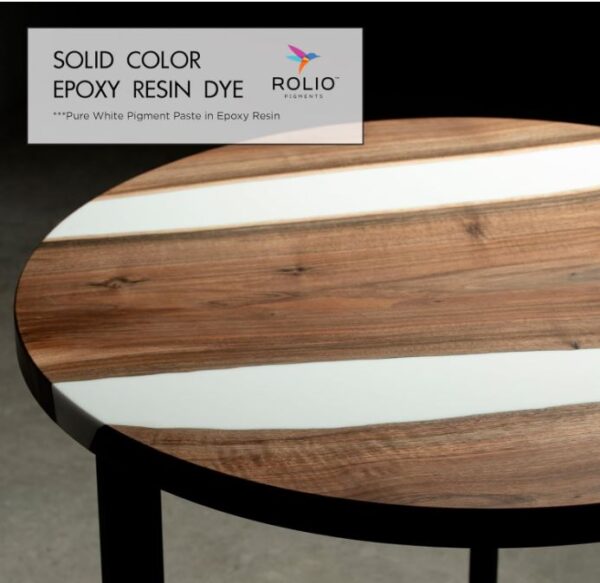
If you want a stronger color, try switching to a pigment paste instead. Pigment pastes are more concentrated, so you can get a richer color without adding as much extra material to your epoxy. Always test a small amount first so you can see how the color looks once it cures.
Adding pigment to epoxy is a fun way to create beautiful colors and unique projects, but the amount you use makes a big difference. Starting off slow and adding pigment little by little helps you get the color you want while keeping the epoxy easy to work with.
If you are testing a new color, try a small batch first. This gives you a chance to see how the pigment looks after curing and helps you learn what works best for your projects.
Have you worked with epoxy pigments before? Leave a comment and share your tips, tricks, or favorite color combinations. I would love to hear what works for you.
More Resin Guides
- Resin safety 101
- How to make sure resin is safe for food use
- How to mix epoxy resin properly
- Mica powder in epoxy resin
- Top colorants for epoxy
- Best thermochromic powders for epoxy
- Why epoxy is not curing
- How To Paint On Resin
- Best Paints For Resin Use