7 Surfaces Epoxy Resin Will Not Stick To
This is a list of surfaces epoxy resin will not stick to. Epoxy resin projects work best when you know which materials create a clean barrier, such as silicone molds, wax paper, parchment paper, and plastic sheets. Learning about resin friendly surfaces helps with crafts, molds, coasters, jewelry pieces, and home decor projects. These details can help you plan your next epoxy resin project with the right supplies and a smoother crafting process.
When I first started working with epoxy resin, I spent extra time testing different surfaces to see how the resin reacted after curing. I learned that simple choices can make resin projects way easier to work on. Knowing this information helps you choose the right surface before pouring resin for your crafts. It can save you time, help you understand your materials, and give you more confidence during each project.
Surfaces That Epoxy Resin Will Not Stick To
1. Silicone Molds & Mixing Cups
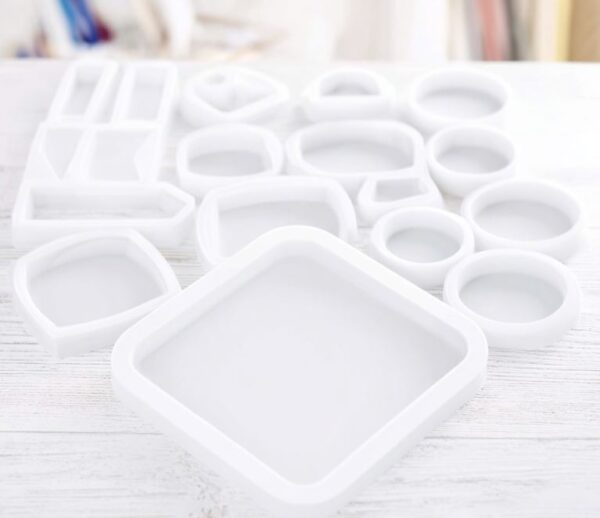
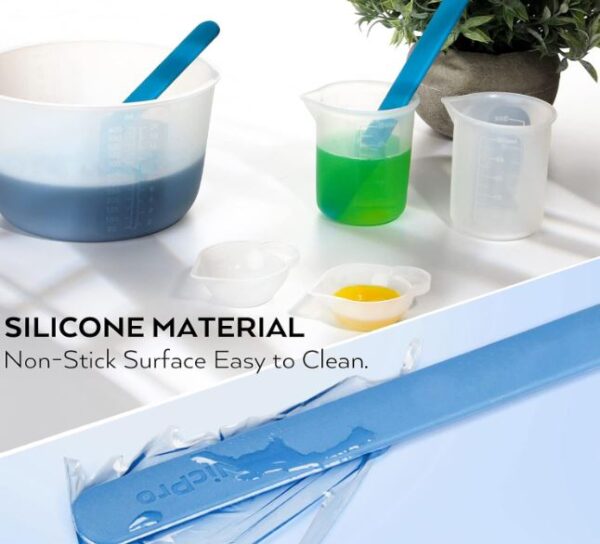
Silicone molds and mixing cups are some of the easiest surfaces to work with when creating epoxy resin projects. The smooth silicone material lets cured resin pop out more easily because the resin does not bond well with the surface. Many crafters love silicone supplies because they can be rinsed, reused, and kept ready for future pours. Since silicone is flexible and non porous, it helps make the cleanup process much simpler after mixing and pouring resin.
2. Silicone Baking Mats
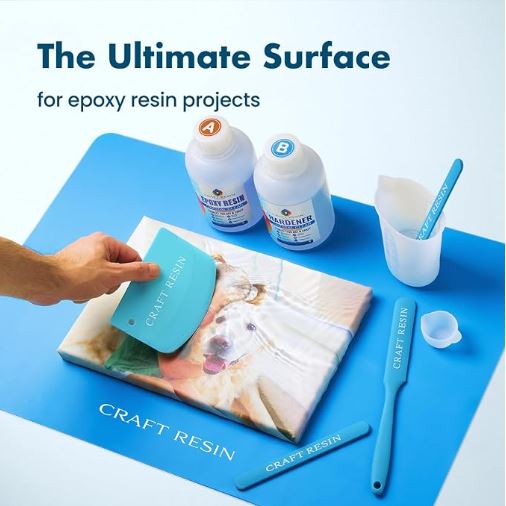
This is one of those resin supplies that you will absolutely love to have on hand. Silicone mats are handy for crafters because they are flexible, durable, and non stick with epoxy resin and UV resin. They make crafting easier by giving you a surface that resin doesn’t stick to. This means you can easily handle and remove your resin creations from the mats without any hassle.

Reasons To Love Silicone Baking Mats For Resin Artists
Non-Stick Surface: Silicone baking mats give you a naturally non stick surface, making them ideal for resin artists to work on without worrying about the cured resin adhering to the mat.
Easy Cleanup: Resin spills or drips during the pouring and curing process are common. A silicone mat is easy for cleanup, as the resin can be peeled off once it has cured.
Surface Protection: Placing a silicone baking mat on your work surface protects it from direct contact with resin. This is especially useful if you are using epoxy in a craft room or on a desk you don’t want ruined.
Flexible and Durable: Silicone baking mats are flexible, which makes them easy to manipulate and remove cured resin from. They are durable and can stay looking great even after washing them a ton.
3. Wax Coated Papers
Wax coated paper is a handy surface to have nearby when working with epoxy resin because the wax layer creates a barrier between the paper and the liquid resin. Resin does not soak into the wax coating the same way it can with plain paper, making cleanup much easier after a pour. This type of paper works well for protecting your workspace during small resin projects and craft sessions. The smooth coating helps keep spilled resin from sticking firmly, so leftover pieces can be removed after the resin cures.
4. Certain Plastics
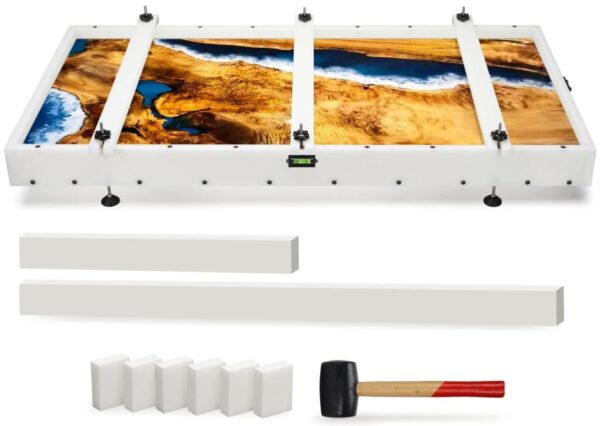
Will epoxy resin stick to plastic? Well that depends. Using heavy plastics that can be taken apart for resin projects can be used as long as they are totally smooth. The weight of heavy plastics adds stability to molds and work surfaces, reducing the risk of spills or disruptions during the resin curing process. You can also pour directly onto thin plastic for free form geode resin art or coasters. You cannot pour resin into plastic that has no way of releasing the resin once it is cured. It’s best to just use silicone.
5. Candle Wax
Candle wax can be used as a simple barrier material when working with epoxy resin because resin does not bond well with wax surfaces. Some crafters use wax on items where they want to create a temporary coating or keep resin from attaching to a specific area. It can also help protect certain surfaces during resin projects by creating a layer between the material and the liquid epoxy. Keep in mind that heat from curing epoxy can soften candle wax, which may cause it to bend, change shape, or lose its original form.
6. Beeswax
Beeswax can be used with epoxy resin projects when you need a natural wax surface that resin has trouble bonding with. The smooth texture of beeswax makes it useful for creating a temporary layer on areas where you want resin to stay separate from the surface. Some crafters use it on molds, tools, or small sections of a project to make cleanup easier after the epoxy cures. Keep in mind that the beeswax is going to warp with the heat so it’s not good for molding.
7. Resin Mold Release Products
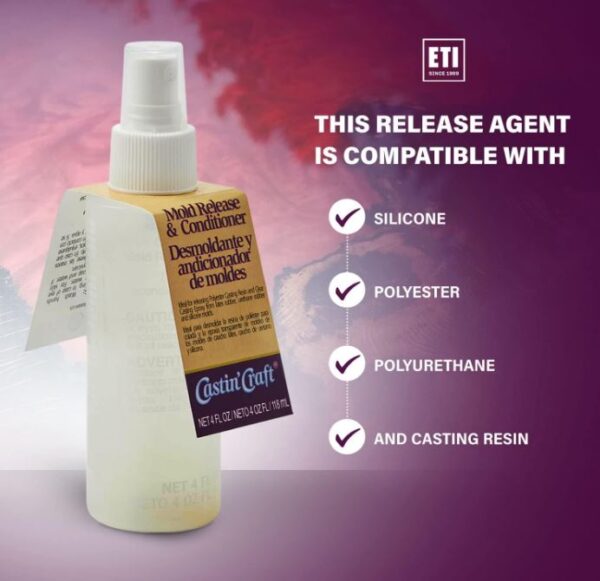
Resin mold release products are made to create a thin layer between epoxy resin and a surface, helping finished pieces come out more easily after curing. These sprays and coatings are commonly used with molds, containers, and other project surfaces where you want a cleaner release. The release layer works by reducing the bond between the cured resin and the material underneath. Following the directions on the product label helps you get the best results for your resin crafts.
FAQ’s About Non Stick Resin Surfaces
Can the temperature of a surface affect how epoxy resin releases?
Yes, temperature can influence how epoxy resin cures and separates from a surface. Very warm areas may soften certain materials, while cooler conditions can change how quickly the resin hardens. Keeping your workspace at a steady temperature helps the resin cure as expected and makes the final removal process easier to manage.
Why do some non stick surfaces still need a test before using them?
Even surfaces that are known for releasing resin can react differently depending on their texture, finish, and condition. Scratches, coatings, residue, or small imperfections can give epoxy more areas to grip. Testing a small amount first helps you learn how the resin behaves with that specific material.
Does cured epoxy resin stick differently than liquid resin?
Yes, liquid epoxy and fully cured epoxy behave differently when touching a surface. During the liquid stage, resin can flow into tiny spaces and textures, while cured resin becomes a solid piece attached to the surface. The final bond depends on the material underneath and how smooth the contact area is.
Can a dirty surface change how well epoxy resin releases?
A clean surface can make a big difference in how resin separates after curing. Dust, oils, leftover craft materials, or residue can change the way epoxy contacts the surface. Preparing the area before pouring helps you understand how the resin will interact with the material.
Why is a smooth surface better for resin release?
Smooth surfaces give epoxy fewer tiny areas to grip as it cures. Materials with small pores, rough textures, or natural fibers can allow resin to settle into the surface. A smooth finish creates a cleaner boundary between the epoxy and the material underneath.
Thanks so much for reading and spending a little time learning about non stick resin surfaces with me. Knowing which materials work well with epoxy resin can make your crafting sessions feel easier and help you choose the right supplies for your next project. I hope these tips give you a better understanding of how different surfaces react with resin. If you have your own resin tips, favorite surfaces, or helpful tricks, I would love for you to share them in the comments so we can all learn from each other.
More resin articles