How To Get Epoxy Resin Off Of Hands & Skin
This is a guide on how to get resin off of hands and skin. We’ve all been there. You’re deep into a creative project, happily working with epoxy or UV resin resin, and suddenly, oops! It’s on your hands and skin. Unmixed or uncured epoxy resin comes off much easier than cured resin, so acting quickly can save time and effort. Using gentle cleaning products and simple supplies can help lift the epoxy. Knowing what works can make your next craft project much more enjoyable from start to finish.
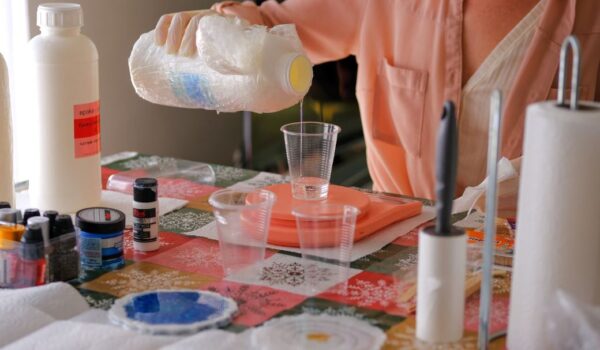
If you have ever finished a fun resin craft and noticed sticky spots on your fingers, you are definitely not alone. It happens quickly, especially when you are busy pouring, mixing, or adding small details. Learning a few easy cleaning tips can help you spend less time scrubbing and more time enjoying your finished creation. Once you know what to use, cleaning spills and drops becomes a simple part of every resin project.
What Is Epoxy Resin?
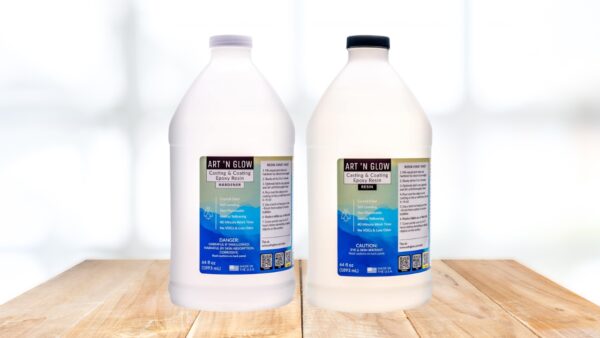
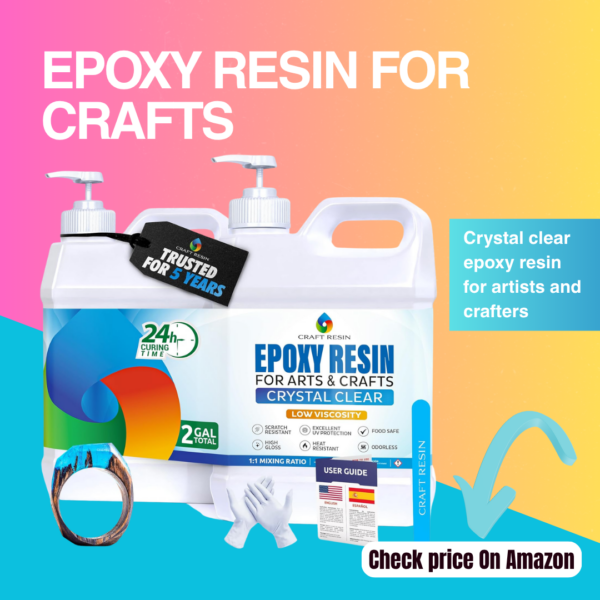
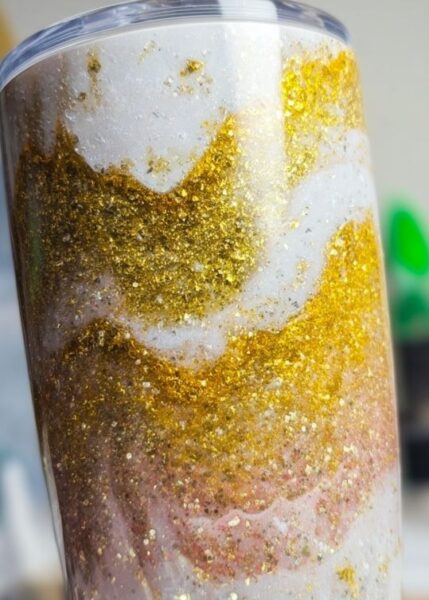
Epoxy resin and UV resin are clear liquids that harden into a durable finish, making them popular for all kinds of craft projects. Epoxy resin is made by mixing two parts together before you use it, then it cures over several hours. UV resin comes ready to use and hardens in just a few minutes when placed under a UV lamp or in direct sunlight, depending on the product.
How To Get Resin Off Hands And Skin
1. Use Soap & Water To Remove Epoxy Resin
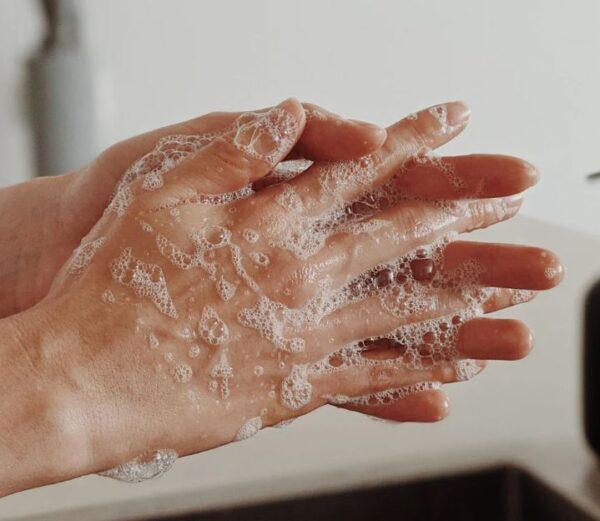
Using soap and water is one of the simplest ways to remove resin from hands and skin. As soon as resin comes into contact with your skin, wash the area thoroughly with soap and water. The soap works by breaking down the resin, while water helps to rinse away the residue.
2. Use Olive Oil Or Baby Oil
When it comes to removing resin from hands and skin, oils like cooking oil or baby oil can work really great. These oils work by breaking down the adhesive properties of the resin, making it easier to lift off the skin. Generously apply the oil to the affected area and let the oil to soak in for a few seconds, then gently massage the resin residue. After you are done, then wash your hands really well with soap and water.

3. Use Resin Wipes
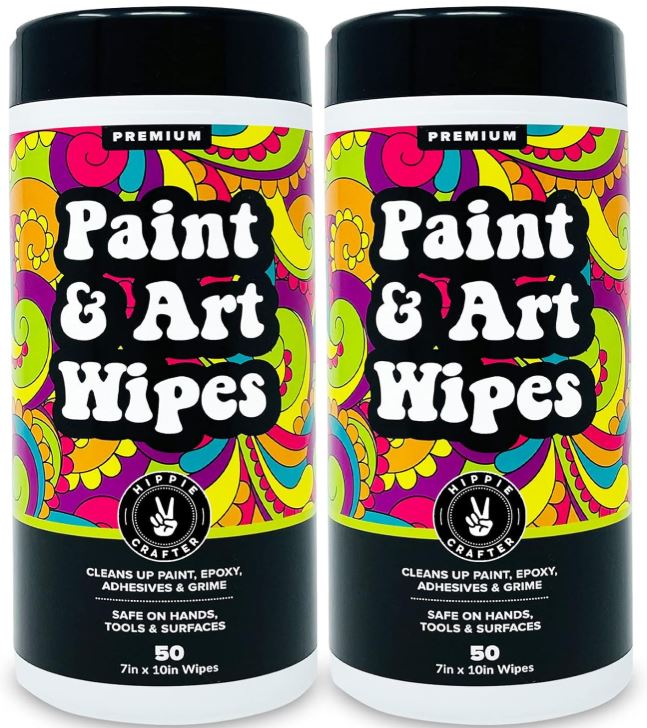
Epoxy and UV resin wipes are a handy tool for cleaning epoxy resin and UV resin off your skin. They work quickly to remove sticky residue before it has a chance to set, which helps keep your hands clean while you work. Keep a pack nearby whenever you are pouring or working with UV resin, so you can wipe off any drips or spills right away.
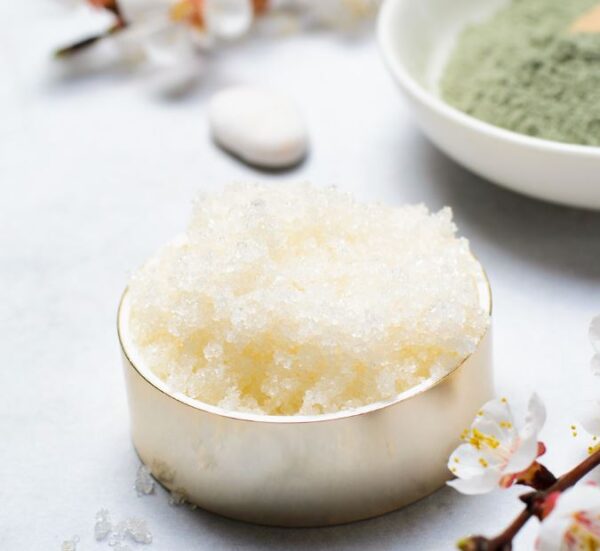
4. DIY Sugar Scrub
A mixture of sugar, soap and oils can also work great. One time I was reaching into my craft bin and the UV resin I was using dripped out and got all over everything! Before I realized it, I had sticky resin all over my hands, it was not good! So I used a sugar scrub to get the majority of it off and then followed up with olive oil. Now I make sure my resins are sealed up in a ziplock and also follow proper safety by wearing gloves.
5. Resin Gel Cleanser
Here is a resin gel cleanser is made for removing resin from hands and skin. It has specialized ingredients that break down and lift resin residue. This cleanser comes in a gel texture that spreads easily over hands and works into resin spots with light scrubbing. It rinses off with warm water and can be used again if needed for extra sticky areas. The ingredients are chosen to support skin hydration while removing craft buildup, which makes it a helpful step after resin pouring, molding, or detailed work.
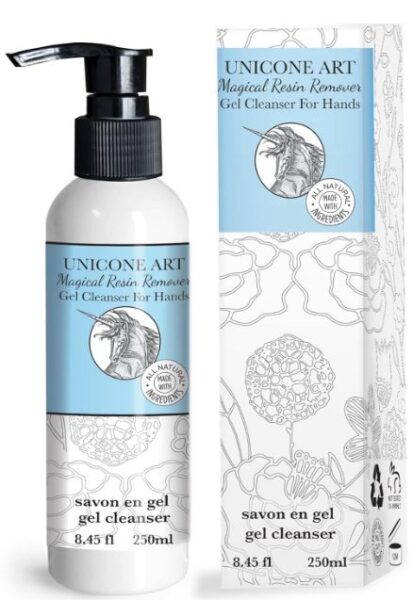
To use, apply the gel cleanser directly onto the affected area and gently massage it in. Allow the cleanser to sit for the recommended duration. The gel consistency adheres well to the resin, facilitating its removal. After the specified time, rinse the cleanser off thoroughly with soap & water.
How To Stop Getting Epoxy Resin On Your Skin
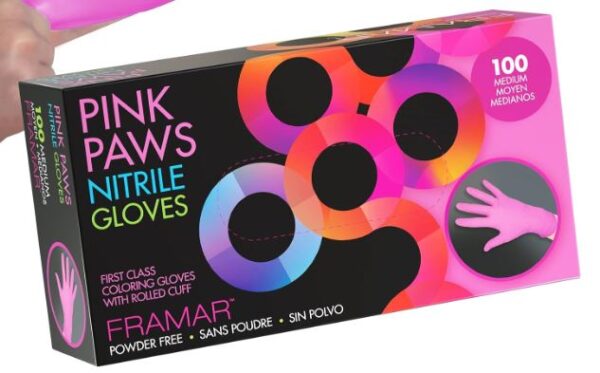
Nitrile gloves are a simple choice when working with epoxy resin or UV resin. They create a barrier between resin and skin so hands stay clean during pouring, mixing, and detailing. Nitrile material holds up well with craft products and gives a comfortable fit for moving fingers freely. Keeping a box nearby makes it easy to slip on a pair before starting any resin project.
Tips For Removing Resin From Skin
Patch Tests
A patch test is a small first step that checks how your skin responds to any resin cleaning product. Apply a tiny amount on a small spot like the inside of your wrist and wait a short time. This helps you see how your skin feels before using it on larger areas. It is a simple way to learn what works best for your skin during resin cleanup.
Do Not Use Any Chemicals To Remove Resin From Skin
Do not use chemicals on skin when removing resin. Warm water and mild soap work well for fresh resin, especially with gentle rubbing using hands or a soft cloth. For leftover sticky spots, plant based oils like olive oil or coconut oil can help lift resin so it rinses away. Never use rubbing alcohol, acetone or mineral spirits for getting epoxy off of skin.
Get medical attention for severe cases
If resin is on a large area of skin or causes strong discomfort, getting medical attention is the right step. A healthcare provider can check the skin and share the best way to clean and care for it safely. Bring details about the resin product used so they can give clear guidance.
FAQ’s About Removing Resin From hands And Skin
What is the easiest way to remove fresh resin from skin
Fresh epoxy resin or UV resin is easiest to clean when it is still soft. Warm water and mild soap help loosen it from the skin. Gentle rubbing with your hands or a soft cloth helps lift the sticky spots. Taking a little extra time under running water can make the cleanup smoother.
Can Epoxy resin come off without scrubbing
Light washing can sometimes do the job without heavy scrubbing. Warm water helps soften the resin while mild soap helps lift it from the skin. Moving your hands slowly under running water gives the resin time to release. This works best when the resin has not started to harden yet.
What helps with sticky spots after washing
If a small amount of resin stays on the skin, natural oils like olive oil or coconut oil can help loosen it. Massage a small amount into the area and let it sit briefly before washing again with warm water and soap. A soft cloth can help lift any remaining residue. This keeps cleanup simple and gentle after craft time.
Is it okay to let resin dry on skin
It is better to clean resin off before it sets. Once it starts to harden, it bonds more tightly to the skin and takes more time to remove. Cleaning early makes the process easier and keeps hands feeling more comfortable after crafting projects. Keeping wipes or paper towels nearby during resin work helps with quick cleanup.
What should I keep nearby when working with resin
Having a few simple items close by makes resin projects easier to manage. Warm water, mild soap, soft cloths, and nitrile gloves are helpful for keeping hands clean during and after crafting. Paper towels are useful for quick wipe ups while working. Keeping these items within reach helps everything feel more organized while you create.
Thanks for reading and spending time here today. Resin projects can feel so fun once you know a few simple ways to handle cleanup and care for your skin. I hope these tips help make your next crafting session feel easier from start to finish. Happy creating and enjoy your next handmade piece.
- Types of resin
- How to get uncured resin out of molds.
- Best resin kits for beginners
- Best UV resin
- Cure lights for uv resin
- Best epoxy adhesives
- Colorants to add to epoxy
- How to make resin jewelry
- Best epoxy for paintings
- Epoxy resin safety tips

![Pigment Paste vs Pigment Powder [The Differences]](https://craftydiyartistry.com/wp-content/uploads/2025/04/pigment-paste-vs-pigment-powder-1a.jpg)