12 Common Types Of Resin & Their Uses
Here are some common types of resin that you might be wondering about. There are many different types of resin, and each one is used for different resin art projects. Some resin works best for small crafts, while others are made for larger pours or layered designs. Knowing the types of resin can help you choose the right one for your art and crafts. From epoxy resin to UV resin, each type has its own curing time, finish, and best uses. Learning about the different types of resin makes resin art easier and more enjoyable.

If you have ever stood in front of resin supplies feeling unsure which one to use, you are not alone. Resin art can feel confusing at first, especially when each type looks similar in the bottle. Over time, you get more comfortable once you see how each resin works and what it is best used for. This guide is here to help you feel confident choosing resin for your next project.
What is resin?
Resin starts as a thick liquid and hardens through a curing process. Artists and crafters pour it into molds or spread it across surfaces to create a smooth finish. Trees such as pine and fir release natural resin when their bark becomes damaged. Manufacturers produce synthetic resin by combining specific chemicals that react and harden. Different formulas create clear or colored results with rigid or flexible finishes. Makers can also add pigments and glitter to create decorative effects for artwork and craft projects.
The Different Types of resin
1. Epoxy Resin
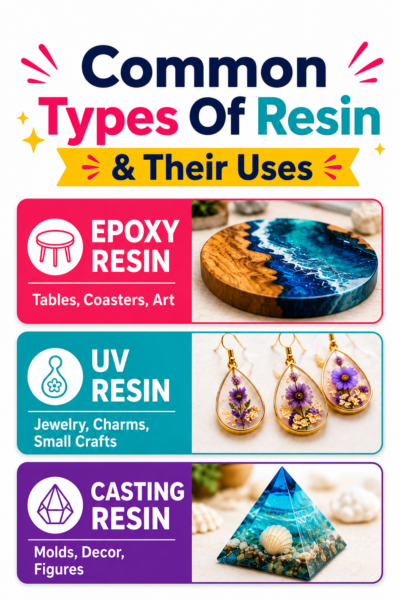
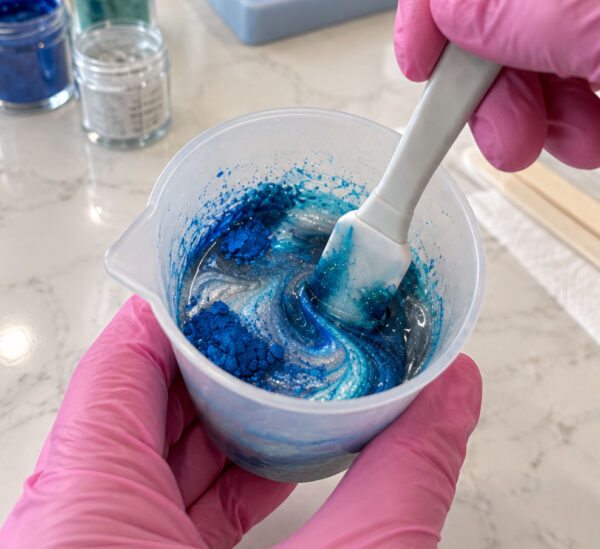
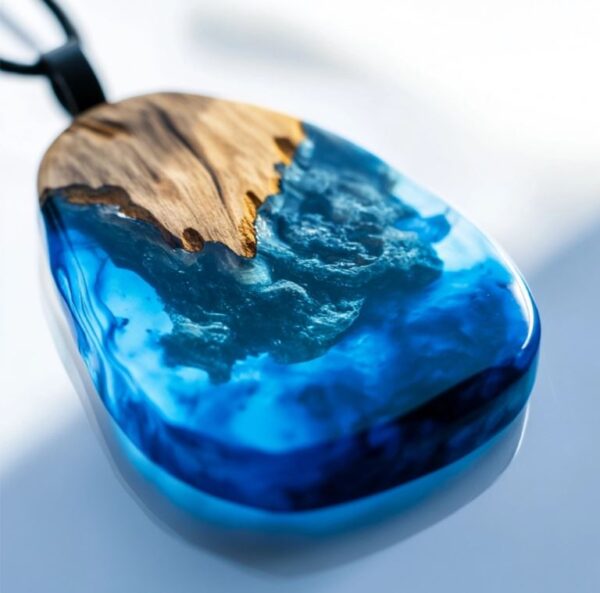
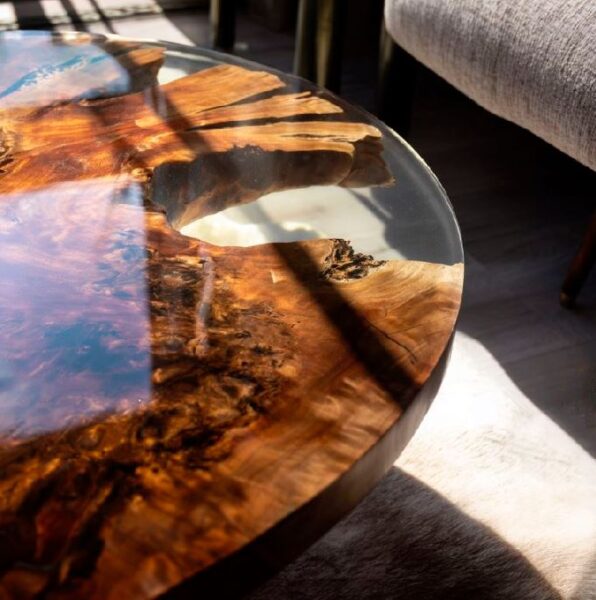
Epoxy resin is a type of synthetic polymer that transforms from a liquid to a solid state through a chemical reaction. It has a two part system which is a resin and a hardener. When mixed together, undergoes a chemical reaction resulting in a durable, clear, and glossy surface. This type of resin is made from monomers and a hardening agent. It’s what you see people use to make everything from river tables to small jewelry pieces.

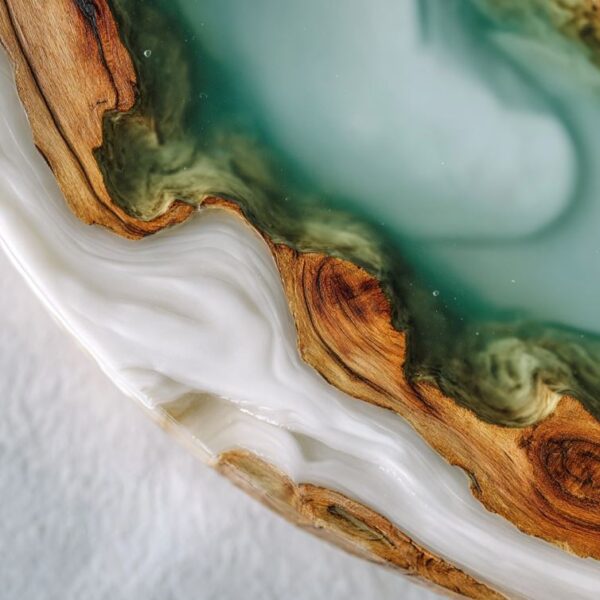
It dries with a clear, glossy finish that gives pieces a clean and polished look. You’ll often see epoxy resin used in art projects, woodworking, and surface coatings because it creates a strong bond and adds a smooth layer on top.
2. Casting Resin
Casting deep pour epoxy resin is used for making full pieces where the resin takes the shape of a mold, rather than being brushed or spread on a surface. Artists and companies use this for deeper pours, which makes it useful for items like paperweights, figurines, trays, dice, and large river tables. Casting resin usually has a longer cure time, giving trapped air more time to rise to the surface. This type of resin cures into a hard, clear finish that keeps its shape once removed from the mold.


Casting resin is made to cure crystal clear but may still require a pressure chamber to remove bubbles for certain projects. This gives the user a clear result without large and micro bubbles in it.
3. UV Resin
UV resin is a type of resin that hardens under a UV light instead of curing over many hours. When using a UV resin, it works best in thin layers for small projects that need quick curing. This is the type of resin I use quite a bit for coating small artwork and jewelry because it cures fast and leaves a clear, glossy finish. UV resin is great for sealing details, adding a smooth top layer, and working on quick creative projects. You can also glue down rocks and embellishments in resin tables and you can’t tell it’s there because it’s clear.


- Best resins for jewelry
- Resin to use for flowers
- Best UV resins for beginners
- UV lights for using UV resin
- UV resin guide for beginners

4. Polyester Resin
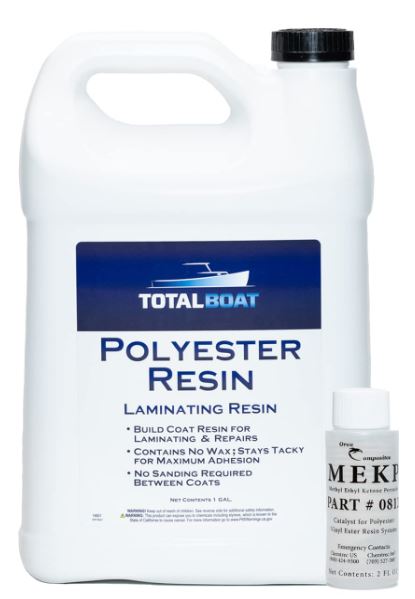
Polyester resin is a synthetic resin that is often used when strength and structure matter more than a clear finish. Boat makers commonly mix it with fiberglass to create lightweight but sturdy pieces. You’ll see polyester resin used in boat building, car parts, and some craft projects that need extra durability. It cures through a chemical reaction started by a catalyst, which causes it to harden into a strong, solid material.
5. Polyurethane Resin
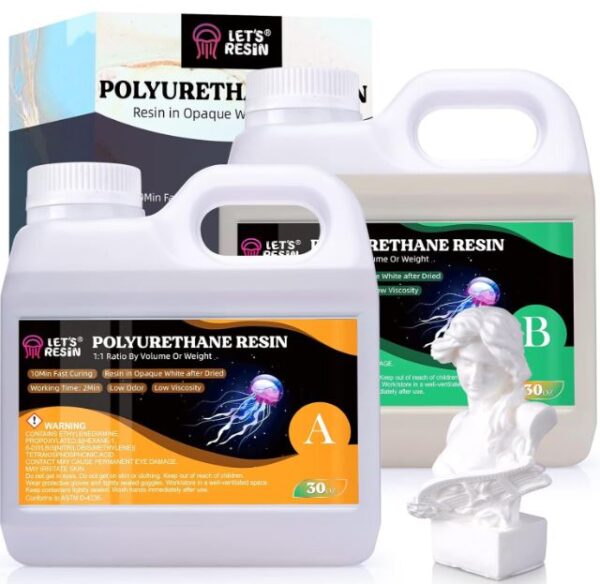
Polyurethane resin is known for being flexible while still holding up well over time. It starts as a liquid and cures into a strong material. Different formulas can create a rigid or flexible finish. Many types cure quickly and capture small details well during casting. Makers use this resin for molds, models, jewelry pieces, coatings, and decorative projects. Because of this flexibility and toughness, polyurethane resin works well for pieces that need to handle movement or wear.
6. Vinyl Ester Resin
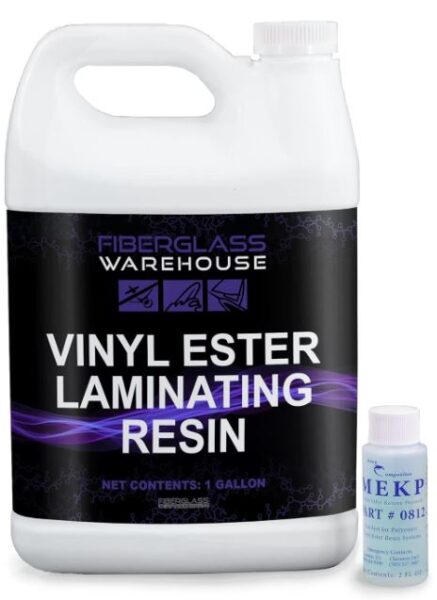
Vinyl ester resin is a strong and durable resin that is resistant to heat, chemicals, and water. This type of resin is common in boat building, automotive parts, and other projects that need extra strength and resistance. Vinyl ester resin cures into a hard, solid finish that holds up well in demanding conditions.
7. Acrylic Resin
Acrylic resin is a transparent thermoplastic and will give you weather resistant properties. It dries quickly and works well for art projects like painting, sculpture, or small resin pieces, keeping its transparency even when applied thickly. You can also use it as a protective coating for surfaces when you want a clear and durable finish. Mixing in pigments, glitter, or other decorations lets you create colorful and unique designs that stay bright over time.
8. Alkyd Resin
Manufacturers make alkyd resin by combining oils with polyesters and commonly use it in paints and coatings.
It dries slower than some other resins, which gives you time to work with it and get smooth finishes. Makers commonly use this resin in varnishes.
9. Phenolic Resin
Phenolic resin is a strong, heat-resistant resin that is often used for industrial. It cures into a hard material that can handle high temperatures and pressure. This type of resin is commonly used in laminates, molded parts, and surfaces that need extra strength and stability. Phenolic resin can also be combined with fillers or fibers to create tougher coatings.
10. Polyethylene Resin
Polyethylene resin is a type of plastic resin that is lightweight, durable, and resistant to moisture and chemicals. Manufacturers use it to make containers, bottles, and molded objects while crafters choose it for projects that need a flexible yet sturdy material. Polyethylene resin is a good option for projects where you want a strong base.

11. Silicone Resin
Silicone resin is a flexible, heat resistant resin that stays stable in high temperatures. Artists and makers use this type of resin to make molds, coat projects, and add protective layers to surfaces. This resin can handle movement and bending without cracking, which makes it great for detailed molds or layered projects. Silicone resin is also easy to release from molds, so it works well for creating multiple copies of a design.
12. Lac Resin
Lac resin is a natural resin that comes from the secretions of lac insects, commonly found on trees in parts of Asia. People use it for varnishes, coatings, and decorative items because it hardens with a smooth glossy surface. Lac resin can be melted and applied to wood, crafts, or jewelry to create a shiny, protective finish.

Is Resin The Same As Epoxy?
No, resin and epoxy are not the same, although epoxy is a type of resin. Resin is a broad term that refers to a viscous substance produced by plants or synthesized chemically, typically with a liquid consistency that hardens over time. Epoxy, on the other hand, is a specific type of resin that results from the chemical reaction between an epoxy resin and a hardening agent.
I hope this guide to the different types of resin is helpful as you explore your resin projects. Knowing how epoxy, casting, uv, acrylic, and other resins work can make it easier to choose the right one for what you want to create. Share this article with friends who love resin crafts, so they can learn about the different types too. With the right resin, you can try new techniques, experiment with colors, and bring all your creative ideas to life.
Always use resin safely. Read this guide of resin safety tips. For more information on how to use resin, head on over to this complete resin guide to learn more.