12 Things To Know About Lac Resin [GUIDE]
Here are some things to know about Lac resin. Lac resin is a natural resin secretion from lac insects. Lac resin is a natural material made by tiny lac insects that live on certain tree branches. After it is collected, it can be processed into shellac, a glossy finish used for wood, crafts, and food products. This resin has a rich amber color and a long history in art and handmade work. Learning where lac resin comes from makes its place in creative projects even more interesting.
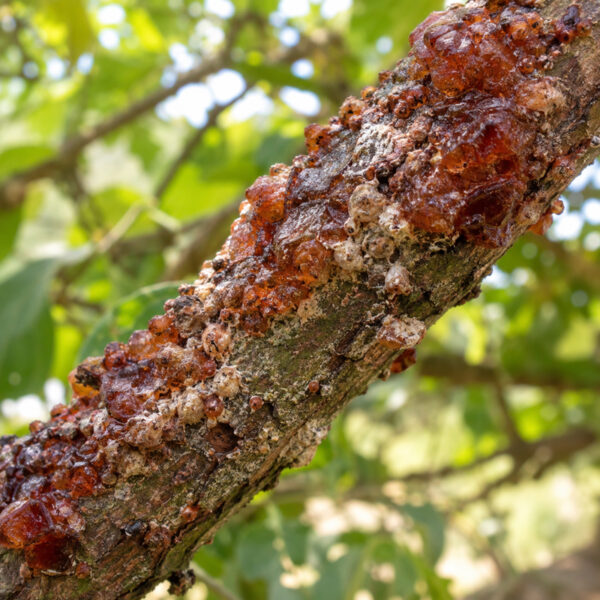
I love finding out how materials from nature become part of the things we make and use. Lac resin is one of those fascinating supplies with a story that starts right on a tree. In this post, you will learn how it is collected, processed, and used in different products. It is a fun little peek at the natural source behind a familiar finish.
Things to know about lac resin
1. What is lac resin?
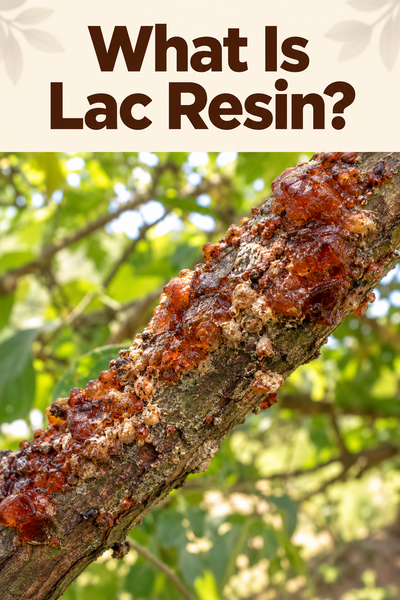
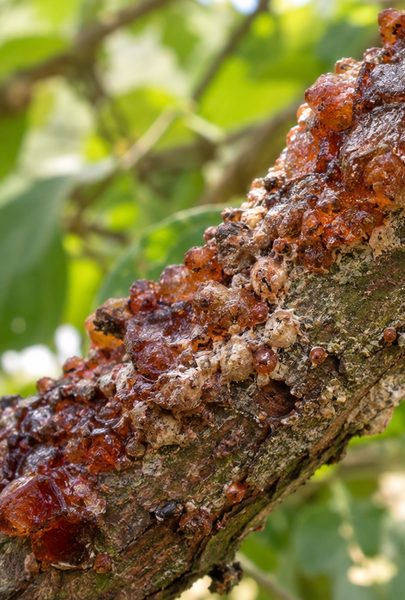
Certain insects, particularly species like Kerria lacca and related ones such as Laccifer lacca, produce lac resin. These insects are the natural source of lac resin. Lac resin is a secretion that the female lac insect produces to create a protective coating or shell over herself and her eggs. This resinous material hardens and encrusts on the branches of host trees, forming a durable and protective layer.
2. Lac Resin Comes From These Insects
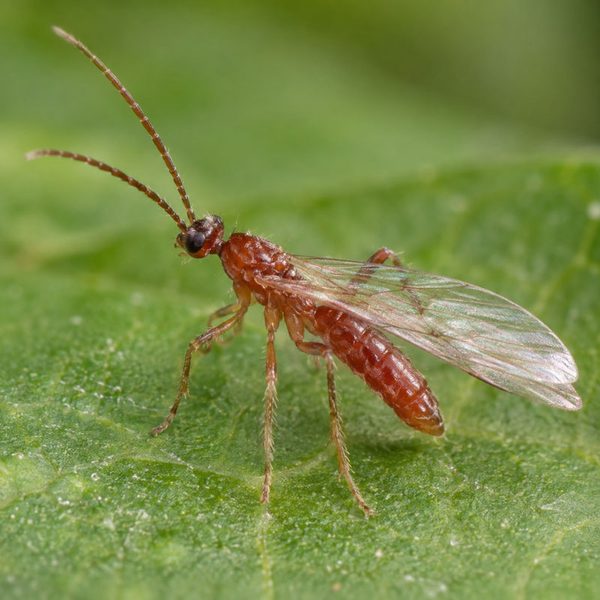
Lac insects are small insects that are important for the production of lac resin. The most well-known lac insect is the Kerria lacca.
- Kerria lacca (Rangeeni lac insect or Indian lac insect)
- Laccifer lacca (Burma lac insect)
- Tachardia lacca (Thai lac insect)
- Carteria lacca (Rangeeni lac insect)
While these are some of the most popular bugs that make it, there might be more species within these genera or related genera that also make lac resin. The taxonomy and classification of lac insects can be complex, and new discoveries or taxonomic revisions happen all of the time. Check out this database on wikipedia.
3. Composition of Lac
Lac is mostly made up of resin, and that is what gives it its sticky, glossy texture. It also contains wax, which makes it a little softer and easier to work with. The coloring matter is what gives lac its natural reddish-brown tone. Besides these, there are small amounts of proteins, sugars, and other natural compounds.
Together, these parts make lac resin unique and useful for crafts, coatings, and jewelry. The composition of lac resin is a complex mixture of compounds, including shellolic acid and aleuritic acid. The specific composition can vary based on things like the species of lac insect, the host plant, and environmental conditions.
4. Insect Farming
Lac resin comes from lac insects, mostly grown on host trees like the rain tree. Farmers create the right environment so the insects can live and feed safely. The female insects secrete a sticky resin to cover their eggs, and that is what is harvested as lac resin. The process involves taking care of the trees, making sure the insects have what they need, and collecting the resin carefully so the insects aren’t harmed. It’s a natural and sustainable way to get lac resin.
Insect farming for lac resin has been done for a long time in places like Southeast Asia and India. It supports the communities who grow and harvest the resin. This work takes careful management to keep the environment healthy while meeting the demand for lac resin in areas like woodworking, food, and textiles.
5. Lac Harvesting
Harvesting lac resin starts with collecting branches covered in the resin secreted by lac insects, mainly Kerria lacca. These insects live on specific host trees, like peepal or kusum, feeding on sap and covering their eggs with resin. Harvesters carefully gather the lac coated branches, making sure not to damage the trees so the production can continue sustainably.
6. Lac Production Process
After they harvest, the production process turns the raw material into shellac. The collected branches, covered in resin, are scraped, heated, and filtered to remove impurities, creating what is called sticklac. Sticklac can be refined further into seedlac by melting and straining, and then dissolved in alcohol and filtered again.
Once dried, this process produces shellac, which can be shaped into flakes or buttons depending on industrial needs. For example, this final product has many uses, including woodworking finishes, varnishes, printing inks, food glazes, and pharmaceuticals. It is the result of carefully transforming the secretion of lac insects into a polymer.

7. Forming Shellac Flakes or Buttons
You make seedlac by melting and straining the first batch of raw resin to clean it up. The seedlac is mixed with alcohol and filter it again to remove anything left behind. When it dries, it becomes shellac. It can be shaped into flakes or buttons to fit the needs of different industries. People use it in woodworking, varnishes, printing inks, food glazes, and even some medicines.

8. Countries Of Production
India is one of the main places that produces lac resin. Countries in Southeast Asia like Thailand, Myanmar, and Bangladesh also grow and harvest it. These areas have the right trees and climate for the lac insect to live and make resin. The amount of lac that can be made can change over time. Farming methods, money, and even the environment can all play a part in production.
9. Environmental Considerations
Lac farming can affect the environment in different ways. Growing host trees for resin can change local forests and wildlife if it isn’t done carefully. That’s why good, sustainable practices matter. Some farmers may use pesticides, which can harm other insects and the soil over time. Both the trees and insects rely on water, and poor planning could lead to water stress in nearby areas. These points show how important it is to balance resin production with protecting nature.
10. Common products made from lac
- Wood finishes: Shellac made from lac gives wood a smooth, shiny surface that helps protect it from wear.
- Varnishes: Used as a natural coating that dries fast and adds a warm look to furniture and wooden décor.
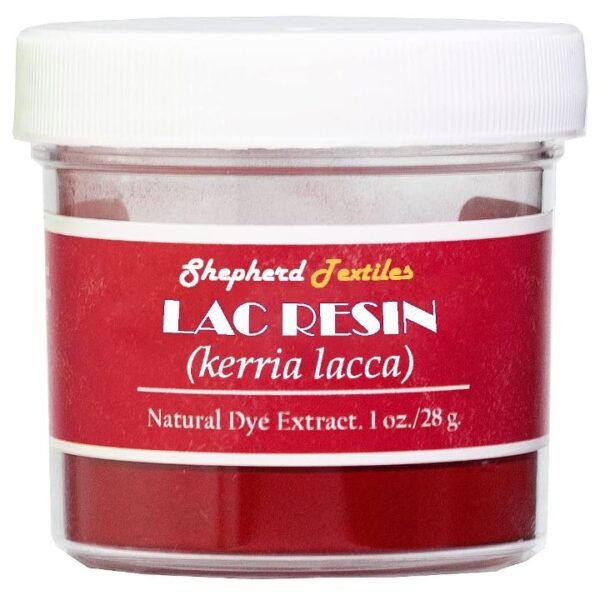
- Textile dyes: Use it for a natural red dye that adds rich color to fabrics.
- Cosmetics: It helps products like nail polish and mascara stay smooth and long-lasting.
- Inks: Shellac can give inks a strong finish so writing and printing look clean and sharp.
- Sealing wax: Used to seal letters and packaging with a hard, shiny stamp that keeps everything closed and secure.
11. Where To Buy Shellac Flakes
You can find shellac flakes online, and Amazon has plenty of pack sizes to choose from. You can pick up a small bag for testing or a larger pack if you plan to use them more often.
12. Are shellac flakes and lac resin the same?
They come from the same place, but they are not the same thing. Lac resin is the raw material that comes straight from the lac insect on the host tree. Shellac flakes are what you get after that resin is cleaned up, filtered, and turned into a dry, ready to use product. So lac resin is the start, and shellac flakes are the finished version that people use for wood finishes, coatings and glazes.
Lac resin adds a lovely natural touch to handmade projects and creative ideas. I hope this guide helps you understand how it is used and why it is special. Thanks so much for reading!
More Articles