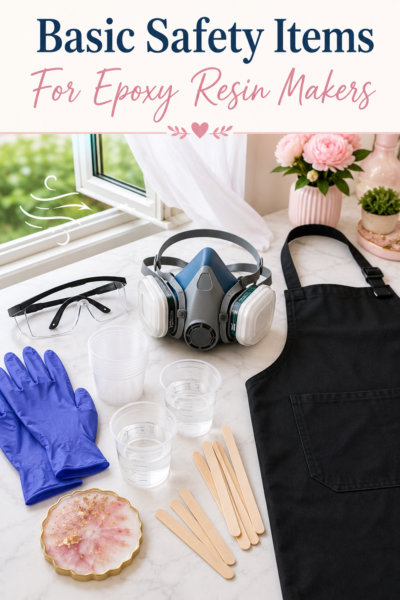
7 Basic Safety Items for Using Epoxy Resin
Here is the list of safety supplies for working with epoxy resin. Working with epoxy resin is exciting, but safety is something you can’t skip. Using gloves, masks, and keeping good ventilation in your workspace helps protect your skin and lungs from fumes and irritation. Having the right safety supplies also makes handling resin easier, so you can focus on creating jewelry, trays, coasters, and large projects. Preparing your space and tools ahead of time sets you up for smooth, worry free crafting.
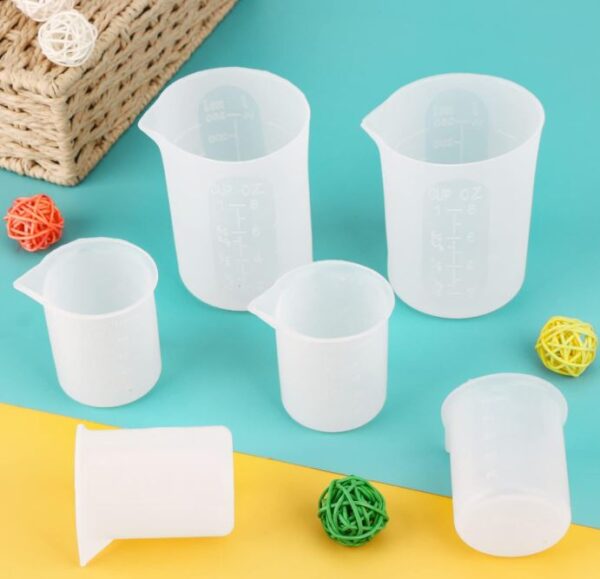
The first time I used epoxy, I had no idea about safety and quickly learned how important it is to protect yourself. After years of crafting, I always make sure I have the right gloves, masks, and workspace setup before I start pouring. It makes the whole process feel easier and more relaxed, and I love knowing that I can enjoy resin without any stress.
Epoxy Resin Safety Supplies
To make your resin crafting safe, it helps to know exactly what you need before you start. Having the right supplies on hand sets you up for smooth, worry free pouring and mixing. The list below covers some supplies that every beginner should have ready in their workspace.
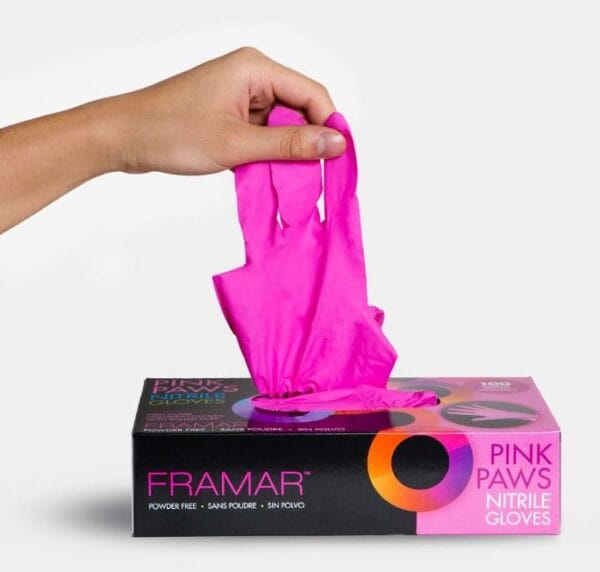
1. Nitrile Gloves
Nitrile gloves are one of the most important items when working with epoxy resin. They protect your hands from sticky resin, which can be hard to remove if it gets on your skin. They keep your hands safe from irritation over time. I like using disposable nitrile gloves because they stretch to fit your hands comfortably and let you still feel what you’re working on. Having gloves on from start to finish also makes cleanup easier, since you don’t have to scrub resin off your fingers afterward.
2. Respirator or Mask
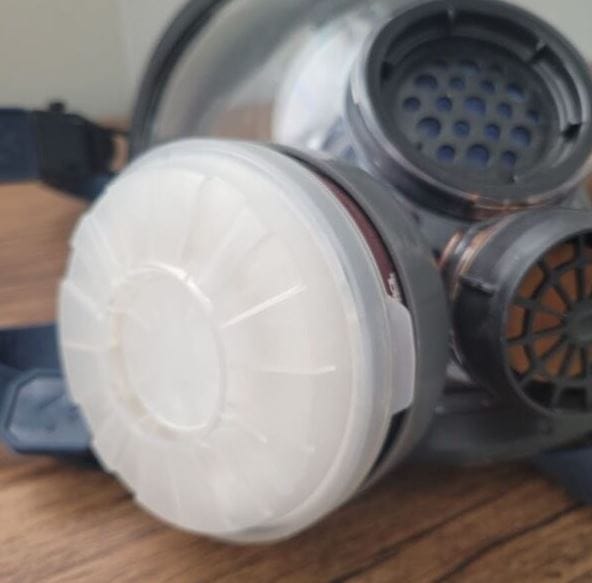
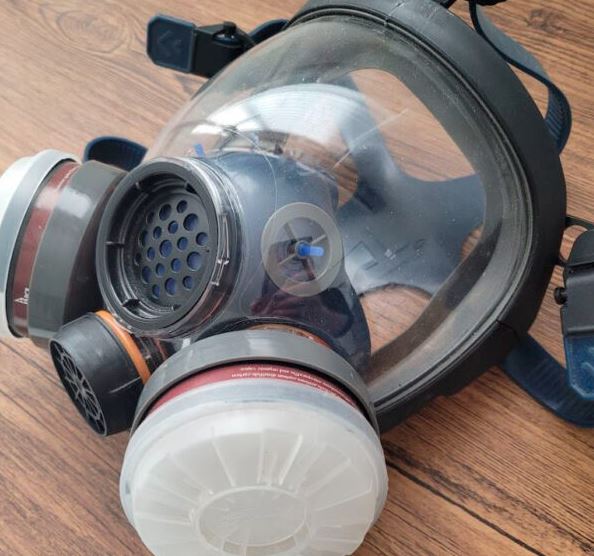
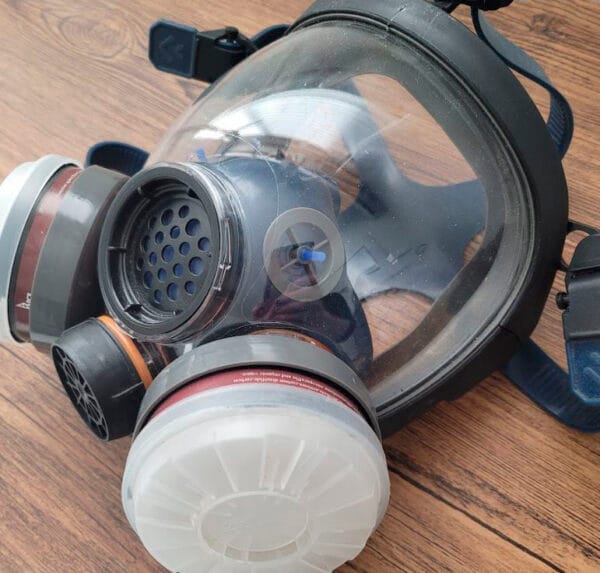
A good respirator or mask is what you need for keeping your lungs safe from fumes. I’m currently using the Parcil Full Face Respirator because it can go over my glasses so I consider it one of the best epoxy respirators. Even if you’re working in a well ventilated area, epoxy resin will release chemicals into the air that you don’t want to breathe in. I always put my mask on before I open resin bottles or start mixing. For beginners, a mask with replaceable filters is a smart pick because you can use it over and over.
3. Protective Clothing
Wearing protective clothing that you use only for working with epoxy, like a long sleeve shirt helps keep resin off your skin. Pick something you don’t mind getting a little messy because no matter how careful you are, spills can happen. Protective clothing also makes it easier to work freely with larger pours or when moving molds around, so you don’t have to worry about ruining your favorite top.
4. Eye Protection
Safety glasses or goggles are another key item to keep on hand while working with resin. Even a tiny splash can do much harm. Having your eyes covered adds an extra layer of security while you mix, pour, or place items like flowers or glitter.
5. Window Fans
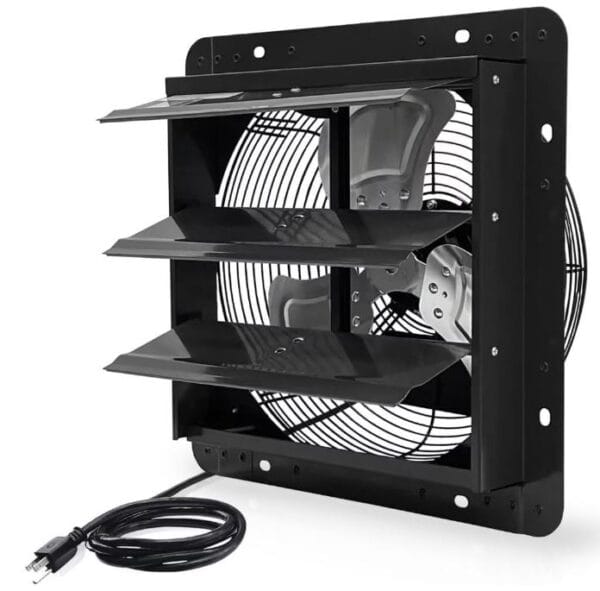
Setting up a window fan that blows air outside is a simple way to improve airflow in your resin workspace. Instead of just moving air around the room, pointing the fan toward a window helps push fumes out of your crafting area. This is especially helpful for longer pours or when you are mixing larger batches of epoxy. If you work from home or run a small shop, this setup supports better air movement.
6. Epoxy Resin Wipes
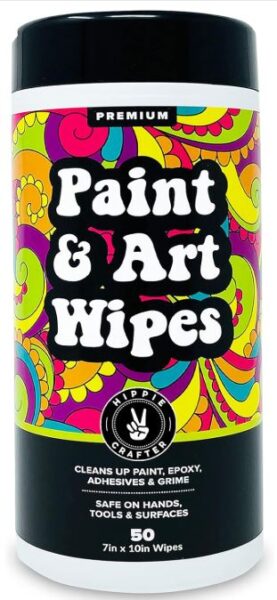
Having paper towels or epoxy wipes on hand makes cleanup fast and keeps your workspace neat. Resin can drip or spill even when you’re careful, and having something disposable ready helps you wipe it up before it hardens. I keep a stack next to my table for quick dabs and wiping off tools. I have a helpful article of different ways to get epoxy off of hands and skin.
7. Air Purification Machine
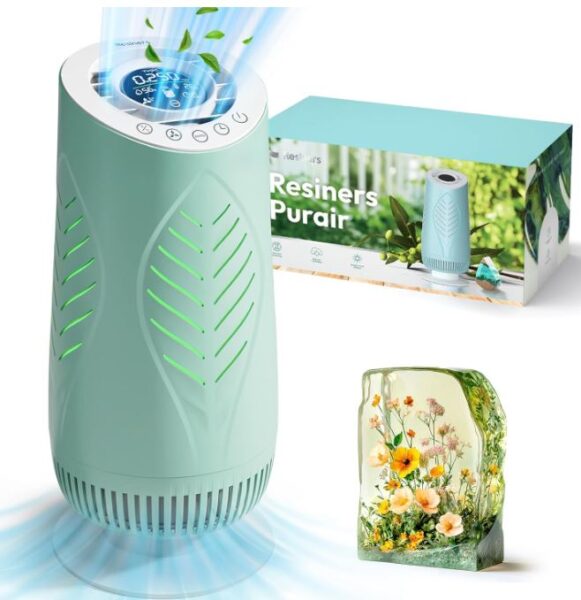
Some air purifiers can help reduce dust, tiny particles, and light odors in your crafting space. Epoxy fumes are very fine and chemical based, so the best protection is still good ventilation like open windows and a mask with the right respirator filters designed for resin work. An air purifier can be a good extra layer for airflow and air quality, but it shouldn’t replace proper ventilation and a respirator mask when you are working with epoxy resin.
Thanks for reading! I hope this guide helps you feel confident and prepared before you start your epoxy resin projects. With the right safety supplies, you can focus on creating beautiful pieces while keeping your workspace and yourself protected. Happy crafting, and enjoy making your resin projects worry free!
More epoxy resin articles
Can you use epoxy without a mask?
Epoxy resin safety tips for beginners