Is Epoxy Resin Food Safe?
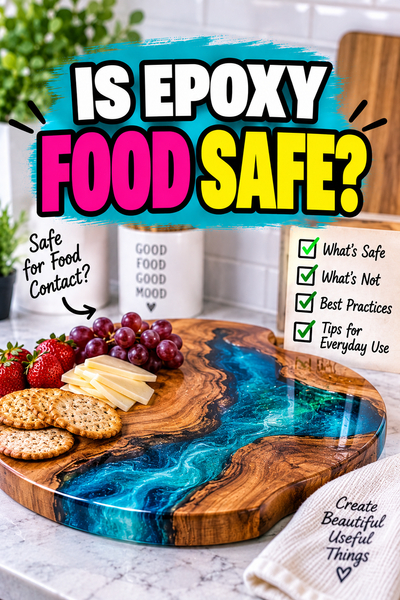
Epoxy resin is everywhere right now, from glossy countertops to handmade cups and trays. A big question that comes up is if epoxy resin is food safe and how it works for things like serving boards or drinkware. Not all resin is made the same, and food safety depends on how the resin cures and the type you use. You will also want to look at FDA compliant resin, proper curing time, and how the surface is used. Getting clear on these details helps you feel more confident before using resin around food.

If you have ever made a cute resin tray or thought about sealing a tumbler, you have probably wondered if it is actually safe to use. It is easy to fall in love with how shiny and smooth resin looks, but when it comes to food, you want to feel comfortable using your creations every day. I have been there too, double checking labels and reading all the fine print just to be sure. Let’s walk through what really matters so you can make pieces you feel good about using in your home.

How To Check For Food Safe Epoxy
1. Check the Product Label
The first thing you want to do is check the product label and any documentation that comes with your epoxy resin. Look for wording like food safe or FDA compliant, since that tells you the resin meets certain safety guidelines once it is fully cured. Not every brand is made for contact with food, so this step really matters before you start your project. It also helps to read the fine print about how long the resin needs to cure and any special instructions for safe use.

I know it is tempting to skip straight to pouring and creating, especially when you are excited about a new idea. But checking the label first saves you from second guessing later on. It’s also a good idea to keep the packaging or take a quick photo so you can go back and double check details if I need to.
2. Read Material Safety Data Sheet (MSDS)
Another smart step is to look for the Material Safety Data Sheet, often called the MSDS. This document shares important details about what is in the epoxy resin and how it behaves once it is fully cured. You can usually find it on the brand’s website or by searching the product name with MSDS. It will also tell you about any safety guidelines, handling tips, and what the resin is rated for. Reading through this gives you a clearer picture of how the resin works and if it is a good fit for projects that may touch food.
If the epoxy resin that you are using does not come with a MSDS sheet, then do not use it for food projects.
3. Contact the Manufacturer
If you still have questions, reaching out to the manufacturer can give you clear answers. Most epoxy resin brands have customer support through email or their website, and they can tell you if their resin is food safe once fully cured. This is also a good way to ask about specific uses like trays, countertops, or drinkware. Product descriptions do not always cover every detail, so getting information straight from the source helps you understand exactly how their resin is meant to be used. It is a simple step that can clear up any confusion before you start your project.

I like doing this when I am not totally sure about a product, especially if I plan to use it often. It feels a lot better hearing it directly from the brand instead of guessing or relying on random comments online. I was using ArtResin and had some questions and I emailed them and they got back to me right away.
4. Certifications and Standards
When it comes to epoxy resin and food safety, certifications and standards can tell you a lot. Some resins are labeled as FDA compliant, which means they meet certain guidelines for indirect food contact once fully cured. You may also see references to safety testing or compliance with specific standards, depending on the brand. These details help you understand how the resin has been tested and what it is meant to be used for. Taking a moment to look for these certifications makes it easier to choose a resin that fits your project.

5. Independent Laboratory Testing
Independent laboratory testing is one of the biggest things to look for when you are checking if epoxy resin is food safe. This means the resin has been tested by a third party lab to see if anything can transfer into food after it fully cures. These tests look at things like chemical migration and how the resin reacts in real use. When a product has gone through this kind of testing, it gives you more confidence in the food safe claims on the label. It is one of the best ways to back up what a brand says about their resin.
6. Epoxy Must Be Fully Cured
One of the biggest parts of food safety with epoxy resin is making sure it is fully cured. Even if a resin is labeled as food safe, that only applies after it has cured completely. Cure time can vary by brand, but it is often several days, not just when it feels dry to the touch. Temperature and humidity can also affect how well it cures. Giving your resin enough time to fully harden helps it reach a stable, food safe state.

I know it is tempting to use a piece as soon as it looks ready, especially when it feels hard on the surface. I have definitely been there, wanting to try it out right away. But waiting the full cure time just gives you that extra peace of mind. It is worth it when you know your piece is truly ready to use.
7. Use For The Product
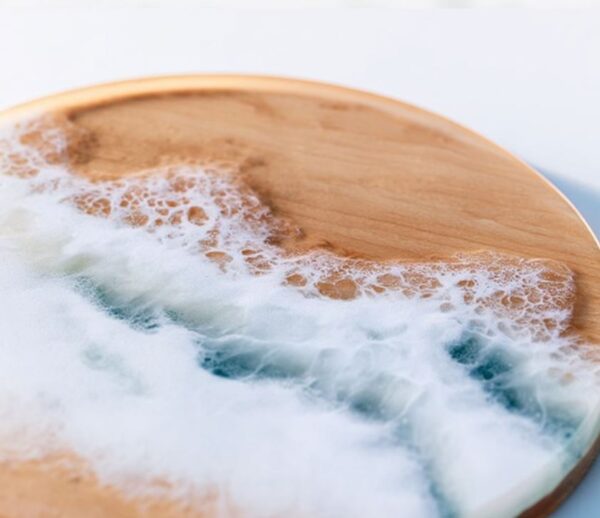
How you plan to use your resin piece also plays a big role in food safety. Food safe resin is usually considered safe for indirect contact, like serving dry foods, but not for cutting or heavy use. Scratches and wear over time can affect the surface, which can make it less suitable for food contact. Keeping this in mind helps you decide how to use your finished pieces in a safe way.
Epoxy Resin Projects That Come In Contact With Food
Here are some common epoxy resin projects that may come in contact with food:
• Epoxy serving trays
• Charcuterie boards
• Coasters for drinks
• Tumblers and cups (sealed designs)
• Countertops and bar tops
• Table surfaces
• Decorative plates for wrapped treats
• Cake stands with a sealed surface
• Utensil holders (outside contact only)
• Lazy susans for serving
These are all pieces people love to make, especially for entertaining or everyday use. It just helps to keep in mind how the food is touching the surface so you can feel comfortable using them in your home.

Food Safe Epoxy FAQ
Is all epoxy food safe?
No, not all epoxy resin is safe for food projects. Only resins that are labeled as food safe or FDA compliant are considered safe to use with food once they are fully cured. Other resins may contain chemicals that are not meant to touch anything you eat or drink. The label, documentation, and any testing information from the brand will help you know which products are safe for your projects.

How to check if epoxy is food safe?
The easiest way to check if an epoxy resin is food-safe is to start with the product label and any documentation that comes with it. Look for wording like FDA compliant or food safe once fully cured. You can also check the Material Safety Data Sheet, or MSDS, which shares details about the resin’s chemical makeup and safe use. If anything is unclear, reaching out to the manufacturer directly is a great way to get a straight answer. Certifications and independent lab testing are extra proof that the resin is safe for food contact.
Can any clear epoxy be used for food?
Not all clear epoxy resin is safe for food projects. Even if it looks shiny and smooth, only resins labeled as food safe or FDA compliant are safe to use once fully cured. Some clear resins are meant for art or craft projects and contain chemicals that should not touch food. Checking the label, reading the MSDS, and looking for independent lab testing will help you know which ones you can safely use around food.

What certifications do I look for?
When you are checking for food-safe epoxy resin, look for certifications that show it meets safety guidelines. FDA compliant is the most common one, which means the resin has been tested for indirect food contact once fully cured. Some brands may also list compliance with specific international standards or independent lab testing results.
Can I trust online reviews?
Online reviews can give you some helpful insight, but they are not always reliable for food safety. People might share their experience with the resin’s look or how they use it. But they may not know if it is actually safe for food contact. It is best to use reviews as a general idea of how the resin performs, but double check the label, documentation, and certifications yourself.

The Best Food Safe Epoxy Resins
Here are five brands people often mention when they are looking for epoxy resins that are made to be food safe once fully cured. Keep in mind you should always double check the specific product’s label and documentation to make sure it has the right food safe certification for your project.
Tips For Buying Food Safe Epoxy Resins
Low VOC and Odorless Formulas
A low VOC and odorless formula can make your resin projects more pleasant to work with, especially if you are working indoors. VOC stands for volatile organic compounds, which are the chemicals that can make resin smell strong while it is curing. You will still need proper PPE to work with epoxy resin safely.
Temperature Resistance
Knowing the temperature resistance of your epoxy resin is important. Especially if your piece will see warm plates or hot drinks. Resin can soften if it gets too warm. Checking how much heat it can take after it is fully cured helps you pick the right brand. Most food safe resins list a heat tolerance on the label or in the product info. So take a moment to look for that number before you pour.

Easy To Work With
Picking a resin that is easy to work with makes your projects so much more enjoyable. Some resins have a longer working time or a smoother consistency. This will give you more control when pouring, spreading, or embedding items. Easy to mix formulas reduce bubbles and help the resin level out nicely on your surface.
Compatibility with Pigments and Additives
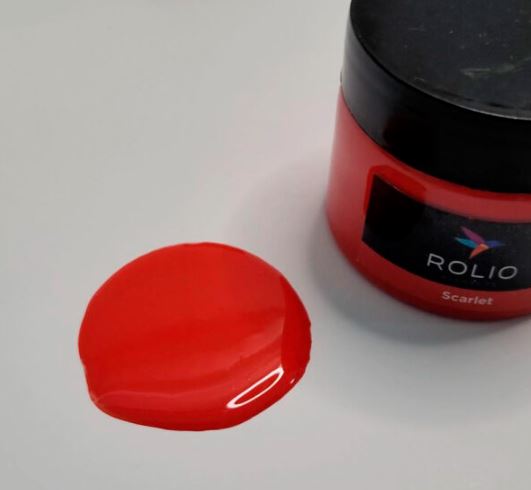
Choosing the right pigments and additives can make your resin pieces beautiful and food safe at the same time. Look for liquid or powder pigments that are labeled as safe for use with epoxy resin. Things like mica powders, alcohol inks, and resin dyes can give you all kinds of colors and effects. It helps to pick ones that mix in smoothly. Just add them carefully during mixing so the color blends evenly and the final surface stays smooth and shiny.

Read this article about the proper pigments to use for epoxy resin.
Thanks so much for reading! I hope you found these tips helpful and feel more confident about using epoxy resin for food-safe projects. Happy crafting and enjoy making your shiny, food-safe resin creations!
More epoxy resin article