Is Epoxy Resin Toxic?
In this article, we are going to discuss your common questions: Is epoxy resin toxic? Can resin make you sick? Epoxy resin and UV resin are extremely popular to work with and it seems that everyone lately is making things out of epoxy.
Over the past few years crafters have really taken to this medium to make all kinds of things from jewelry to huge river tables. That means there’s a lot of people who are searching for the safest epoxy resin. As we use this type of material, it’s important to talk about a common question that goes through the crafting community. Is epoxy resin toxic? Let’s take a look at epoxy resin safety.
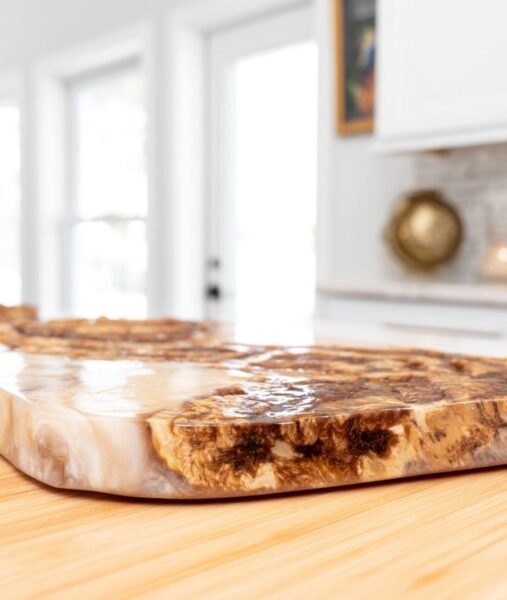
I hope this blog post will make resin easier to understand, giving you creative ideas and practical safety tips for using epoxy resin for crafts and for commercial use. When I was just learning how to work with resin many year ago, the first time I did not even know about resin safety. I used it without any proper respirator or ppe. Even got it on my hands and crafting supplies. I know better now!
Crafting with resin opens doors to many DIY crafting ideas. You can make stunning epoxy art pieces to glossy resin tabletops and intricate resin jewelry. However, the creative journey also has some responsibilities. In this guide, we’ll talk about epoxy resin toxicity to help give you info on types of resin, safety precautions, and practical tips. We’ll also discuss some alternatives for those of you who decide that it’s just not worth it.
Is Epoxy Resin Toxic?
In general, fully cured resin is considered non-toxic and safe for common applications. However, during the application and curing process, certain resins may release fumes or vapors that can be irritating or harmful if inhaled in excessive quantities. This can cause resin sickness. Users should also be aware of specific safety considerations related to the type of resin being used, such as epoxy, polyester, or UV resin, and take necessary resin safety precautions accordingly.
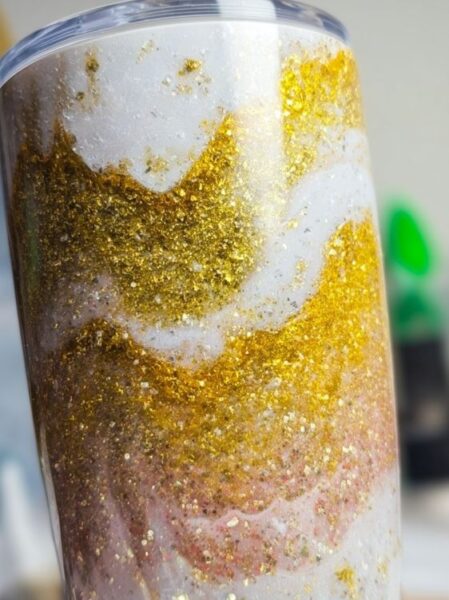
Common Types Of Resin Crafters Use
Let’s talk about the most common types of resin that crafters use. Understanding these resin varieties is a first step in working with epoxy resin while also being aware of potential safety considerations. Here’s a guide of Common Types Of Resin & Uses.
Epoxy Resin
Epoxy resin is widely popular in crafting due to its versatility and user-friendly nature. It has two components, a resin and a hardener, which must be mixed in precise ratios. Epoxy resin is known for its crystal-clear finish, excellent adhesion, and resistance to yellowing over time. Crafters often choose epoxy resin for projects like jewelry making, coating surfaces, or creating vibrant, glossy artworks. It’s also one of the most popular resins for making resin coasters.
UV Resin
UV resin, or ultraviolet resin, is a type of resin that cures or hardens when exposed to ultraviolet (UV) light. This type of resin has gained popularity in crafting and DIY projects because it cures really quickly, and you don’t need to mix anything. UV resin typically comes in a liquid form and is activated by exposure to UV light, either from the sun or a specialized UV lamp. See this guide on how to use UV resin.
Casting Resin
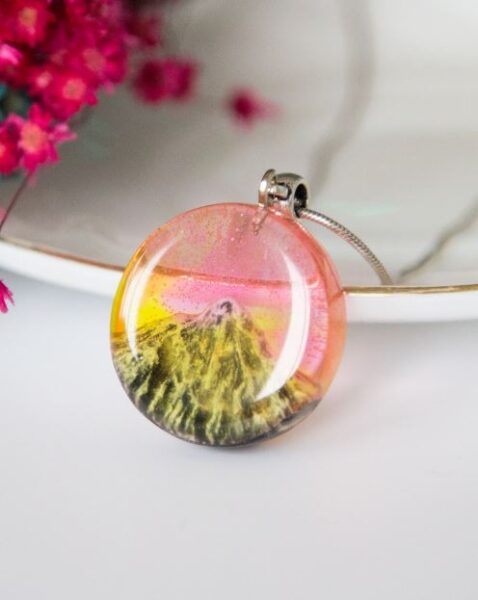
Casting resin is a type of resin specifically formulated for casting applications, where the epoxy is poured into molds to create three-dimensional objects or replicas. This resin is designed to capture intricate details, cure evenly, and produce very little or no bubbles even though your thing might have a deeper pour than a resin coaster or something thin like that.

So this guide will be talking about these types of resins, keeping in mind that there are many different resins to choose from out there.
Is Uncured Epoxy Toxic?
Yes, uncured epoxy resin can be toxic.
Before epoxy resin hardens, it contains chemicals that may irritate the skin, eyes, and respiratory system. Direct contact can cause redness, itching, or a rash in some people. Fumes released during mixing and curing may also bother those who are sensitive to strong odors or chemical vapors.
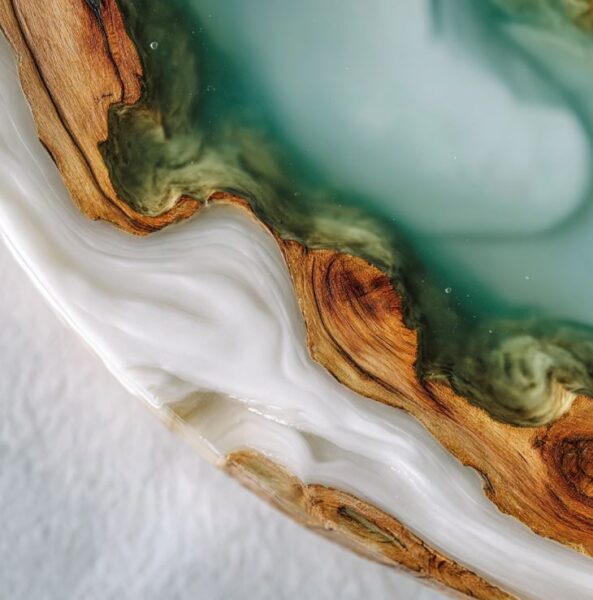
The risk is highest when the resin and hardener are still in liquid form. Once epoxy resin has fully cured according to the manufacturer’s directions, it is generally considered much safer because the chemical reaction is complete. For most crafters, the main concern is skin exposure, since repeated contact over time can make some people more sensitive to epoxy products.
Skin Contact & Allergies
Epoxy resin can cause skin reactions and allergies.
When uncured epoxy resin touches the skin, it may lead to irritation such as redness, itching, dryness, or a burning sensation. Some people notice symptoms after a single exposure, while others develop sensitivity after repeated contact over time. One of the biggest concerns is allergic contact dermatitis. This is an allergic reaction that can develop after the skin comes into contact with epoxy resin or hardeners. Once someone becomes allergic, even small amounts of epoxy may trigger a reaction.
Common signs of an epoxy related skin allergy include:
- Itching
- Red or inflamed skin
- Dry, cracked patches
- Swelling
- A rash that may spread beyond the area that touched the resin
The hardener used with epoxy resin is often more likely to cause skin reactions than the resin itself. Since sensitivity can build gradually, crafters and DIYers are encouraged to keep uncured resin off their skin from the start. After epoxy has fully cured, it is generally much less likely to cause skin problems because the chemical reaction is complete.
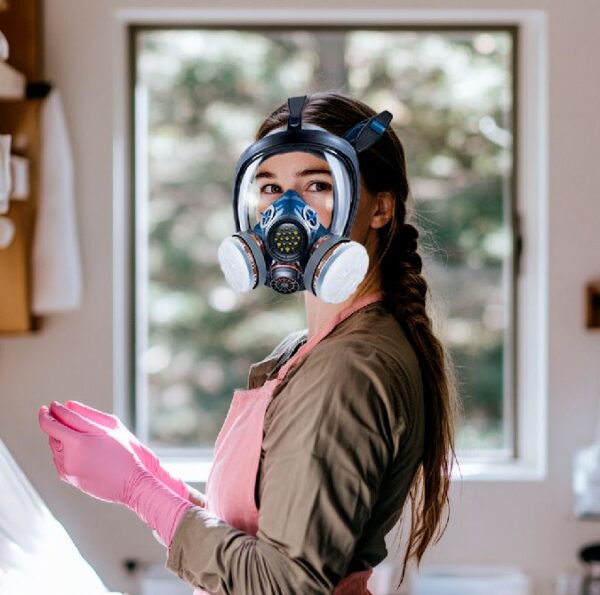
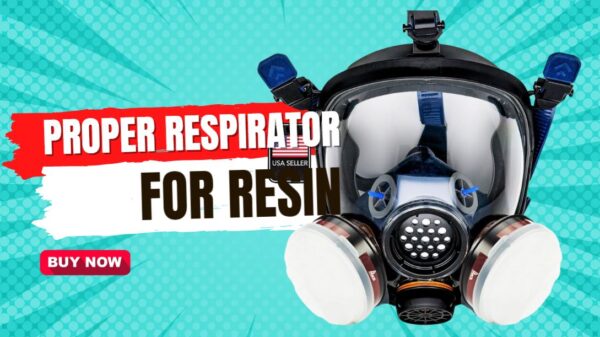
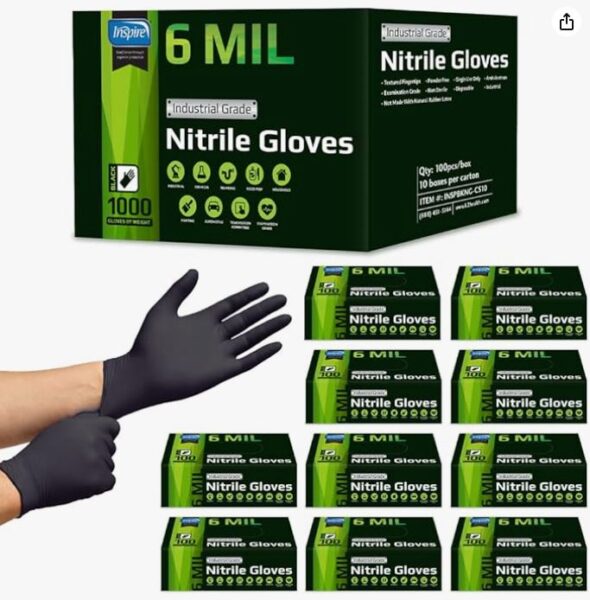
Always wear protective gear, including gloves, to prevent direct contact with the skin during the crafting process. If you do get resin onto the skin, here is a helpful guide on how to get resin off of hands and skin.
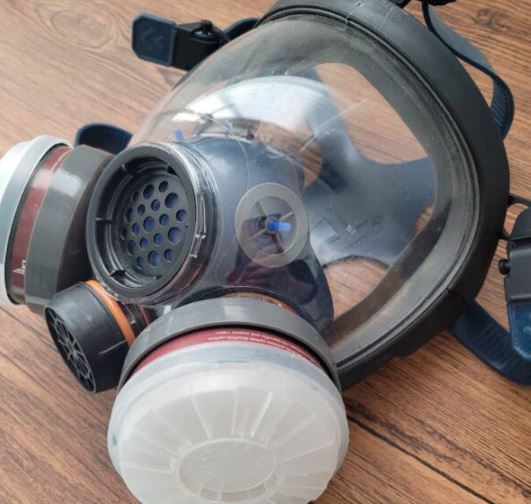
Is Resin Toxic to Breathe In?
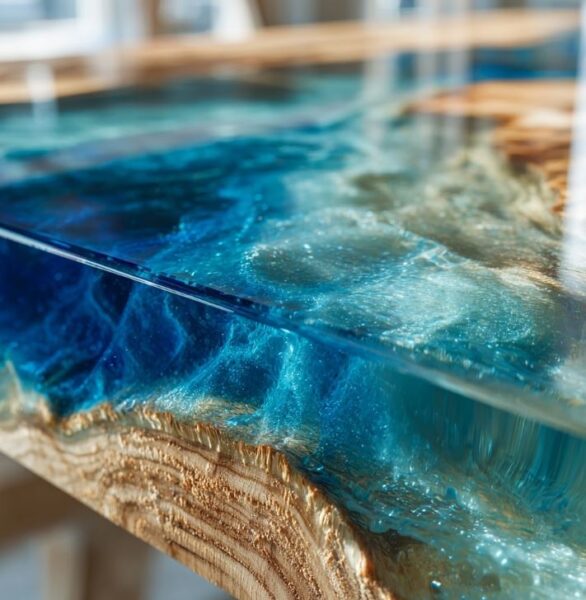
Yes, breathing in resin fumes can be a concern, especially when working with uncured epoxy resin in a space with limited airflow. During mixing and curing, epoxy resin can release vapors that may irritate the nose, throat, and lungs. Some people also report headaches, dizziness, or nausea after being exposed to strong fumes for extended periods.
The level of exposure depends on the type of resin, the size of the project, how much product is being used, and the amount of fresh air in the workspace.
Common symptoms associated with breathing resin fumes include:
- Throat irritation
- Coughing
- Headaches
- Dizziness
- Watery eyes
- A stuffy or runny nose
People with asthma and other breathing conditions may be more sensitive to resin vapors than others.
Can Resin Be Absorbed Through the Skin?
Yes, uncured epoxy resin can pass through the skin in small amounts, especially during direct contact. When liquid resin or hardener touches the skin, it does not just sit on the surface. Some of the chemical components can move through the outer layers and trigger reactions in the body. This is one reason skin contact is taken seriously with epoxy products.
Most common reactions show up on the skin itself, like redness, itching, dryness, or a rash. Over time, some people can become more sensitive, and even a tiny amount of contact may lead to stronger reactions. The hardener side of epoxy is often the main trigger for skin response, though both parts can play a role. Once epoxy has fully cured, it becomes much more stable and is far less likely to pass through the skin or cause irritation.
Are All Resins Equally Toxic or Not Toxic?
No, different types of resin are not the same when it comes to safety. Epoxy resin is one of the most commonly used in crafts and DIY projects. In its liquid state, it can irritate skin and release fumes while it is setting. Polyester resin tends to release stronger fumes during use, which can be more noticeable in enclosed areas.
UV resin is often used for small jewelry pieces and cures under light. It may still cause skin or eye irritation before it hardens. Natural resins, like plant based resins, are generally different in composition and are usually used in other types of applications.
What matters most is the stage it is in. Liquid or uncured resin of any type is the phase where contact and vapors are most likely to cause irritation. Once fully cured, resin becomes much more stable and is far less reactive. Even though they all fall under the same general name, each resin type has its own chemical makeup, which is why their effects are not identical. Always check the safety data sheets (SDS) provided by manufacturers for specific product information.
Are There Long Term Health Risks Using Resin?
Yes, there can be long term health concerns linked with repeated exposure to uncured epoxy resin, especially when skin contact or fumes happen often over time. One of the main concerns is skin sensitization. This means the body can start reacting more strongly after repeated contact. Someone who was fine at first may later notice redness, itching, or a rash even with tiny exposure. This can sometimes last a long time once it develops.
Ongoing skin exposure can also lead to chronic dermatitis. This shows up as dry, irritated, or inflamed skin that flares up with contact. Breathing in vapors from uncured resin over time can also lead to ongoing irritation for some people, such as throat discomfort or headaches, especially in spaces with limited airflow.
These effects are mainly linked to uncured resin and hardeners. Once epoxy has fully hardened, it becomes much more stable and is far less likely to cause reactions. The biggest factor in long term effects is repeated exposure during crafting or DIY work, especially when resin touches skin or vapors are inhaled regularly.
Are Brands Lying When They Say Their Resin Is Non Toxic?
Not really, but the wording can be a bit confusing. When a resin is labeled non toxic, it usually means it does not contain certain highly dangerous ingredients in the final cured state and it is considered safe for its intended use when directions are followed. It does not mean the liquid resin and hardener are harmless to touch or breathe in during use. Uncured epoxy can still cause skin irritation, allergic reactions, and breathing discomfort for some people.
Those reactions depend on exposure, sensitivity, and how it is used. Once fully hardened, epoxy becomes much more stable and is generally far less reactive, which is where the non toxic description usually applies. So it is less about dishonesty and more about how the term is defined on labels versus how people interpret it.
Alternatives To Using Resin
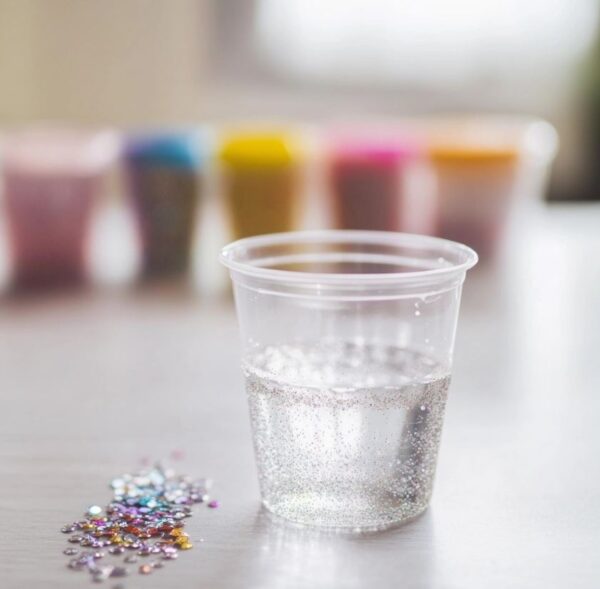
If you want a different feel for your projects, there are some great resin alternatives that still give you beautiful results without the same setup. Each one brings its own look, texture, and working experience, so you can match it to the kind of craft you are making. Some options are more natural in appearance, some are quicker to set, and others are better for lighter handmade pieces like jewelry, decor, or mixed media art.
Although nothing really compares to the high shine, durability and ease of use that resin gives.Here are some alternatives to try for crafting ideas. This might help spark some new ideas for you.
Mod Podge Dimensional Magic
Mod Podge Dimensional Magic is one of my favorites to use. This is a clear craft gel used to create raised, glossy accents on projects. It gives a smooth, glass like look on top of paper crafts, wood pieces, charms, and jewelry designs. This comes ready to use in a squeeze bottle, so there is no mixing needed. You simply apply it directly onto your design and it levels out on its own as it dries.
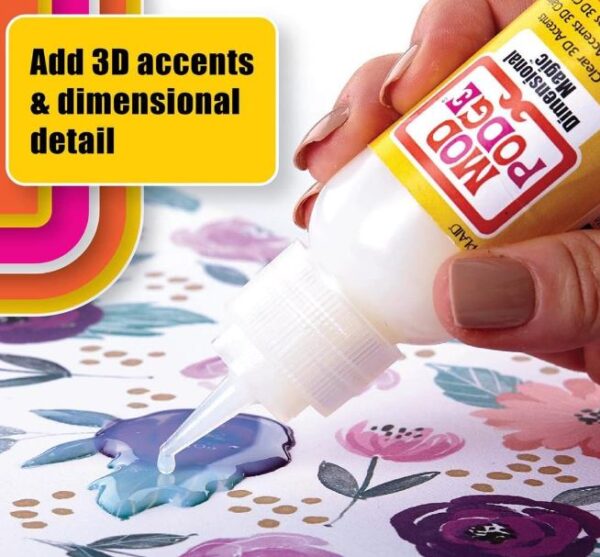
You can use this for small creative details like lettering, stickers, photos, and layered embellishments. It dries clear and adds a slightly domed finish that stands out on flat surfaces. Drying time is longer than regular glue, so pieces need time to fully set before handling. It works especially well for scrapbook pages, handmade cards, and lightweight decorative pieces where a resin like shine is wanted without liquid resin work.
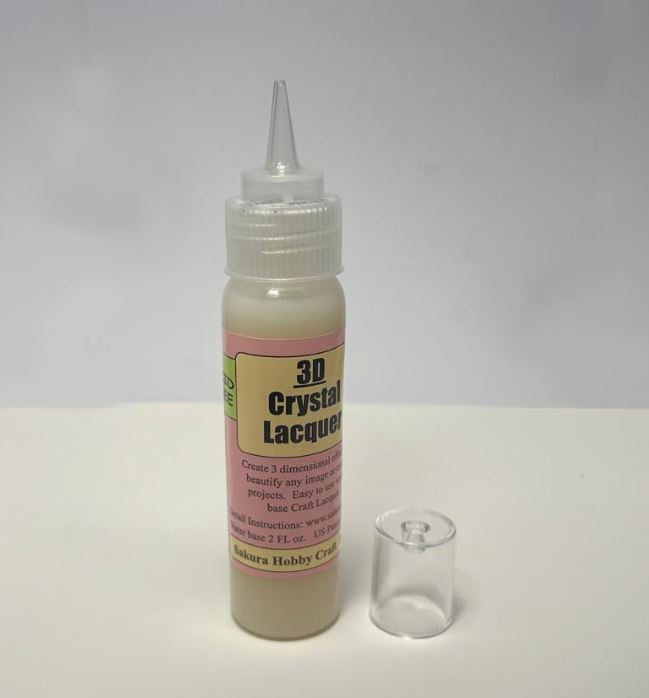
3d Crystal Lacquer
3D Crystal Lacquer is a crafting product by Sakura. It’s a dimensional, glossy finish lacquer designed to add depth and shine to artworks. Typically used in paper crafting, mixed media, or other DIY projects. Such lacquers like this can create a crystal clear, three dimensional effect on surfaces. I found out about this one a few years ago and love it for making small jewelry pieces.
Thanks so much for being here and going through this guide. Resin is one of those topics that has a lot of mixed info floating around, so I hope this helped make things feel a bit more clear and easy to understand.
At the end of the day, it really comes down to personal preference and how you like to work on your projects. Some people love the glossy look and creative flow of resin, while others feel more drawn to more non toxic craft options that still give a beautiful finish in their own way.
More Epoxy Articles