How To Start A Polymer Clay Business
Starting a polymer clay business is such a fun way to turn your love for crafting into something that brings in money. You can make earrings, charms, home décor, or even custom gifts that people can’t find anywhere else. Polymer clay is easy to work with, and once you learn the basics, the ideas are endless.
In this guide, I’ll talk about how to start a polymer clay business from home, what supplies you’ll need, and how to start selling polymer clay creations online. It’s a great way to share your art and start making extra income doing something you love.
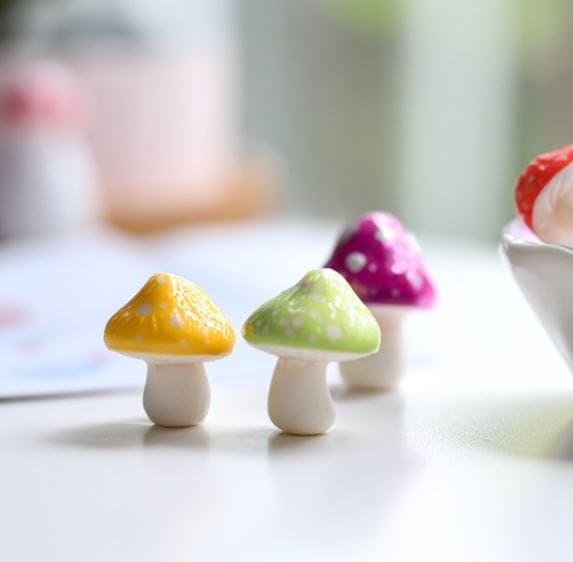
You already have the talent and eye for detail that make your clay pieces special. Starting a business is just a way to let more people see what you can do. Imagine someone across the country wearing your earrings or decorating their home with something you made. It’s such a nice feeling to know your creativity can bring joy to others.
How To Start A Polymer Clay Business
1. Pick the Best Polymer Clay
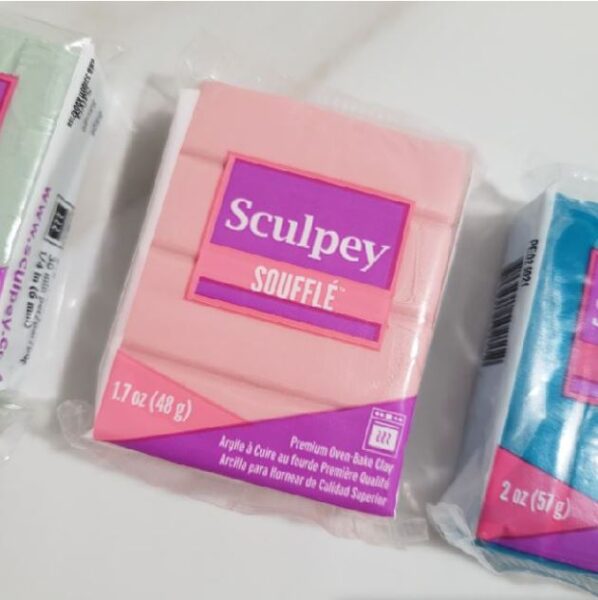
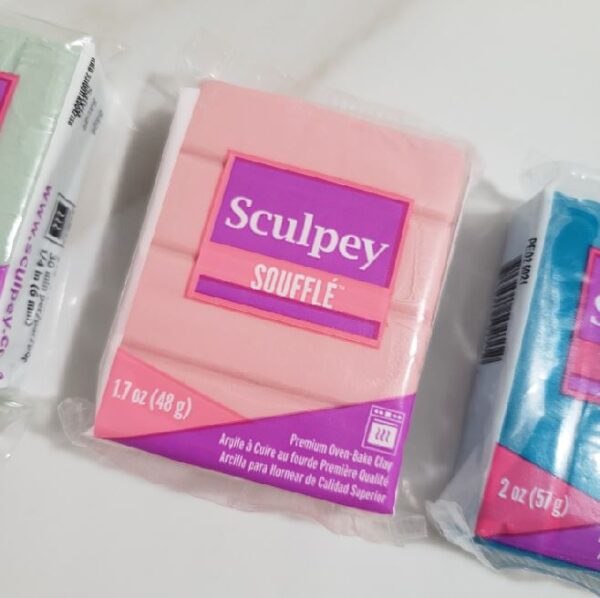
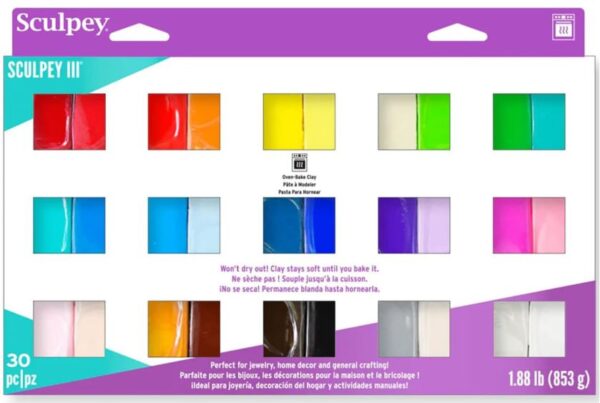
When you’re starting a polymer clay business, the type of clay you use really matters. Some clays are softer and easy to shape, while others hold their shape better for detailed designs. Formulas like Original Sculpey, Sculpey Soufflé and Sculpey III are great because they’re strong, durable, and come in beautiful colors.
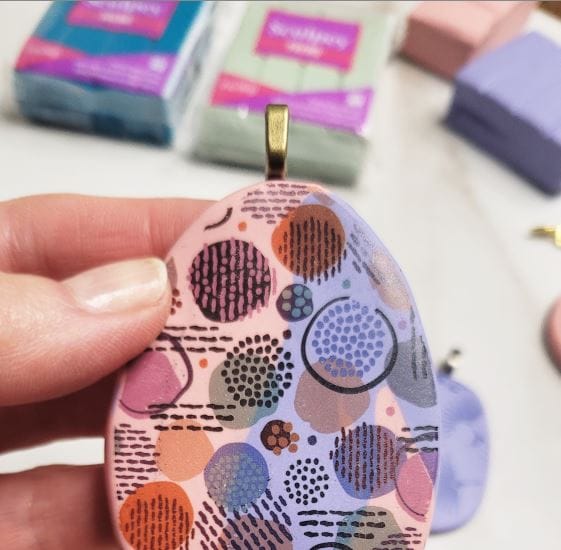
Try a few to see which one fits your style best. A good tip is to bake small test pieces so you can feel the texture, strength, and finish before you start making your main products. This set is fantastic to start a clay earrings business. You can also make ornaments for the holidays like these cute DIY polymer clay Christmas trees.
2. Gather Your Polymer Clay Tools and Supplies
Once you’ve picked your favorite polymer clay, it’s time to grab the tools that make creating easier and more fun. You don’t need everything at once, just a few basics to start. A good clay roller helps you get smooth, even pieces, and a sharp blade is perfect for clean cuts. Sculpey also has a conditioning machine to get your clay prepared.
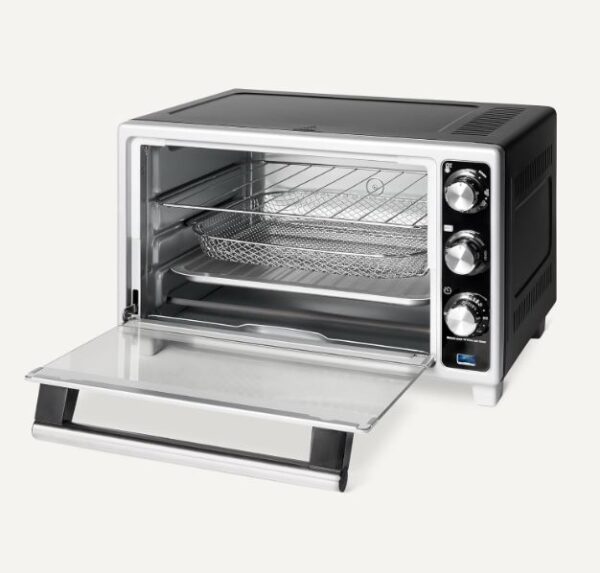
You’ll also want a dedicated oven to bake your clay. Add a few shape cutters, a needle tool, and some sandpaper or buffing pads to finish your pieces with a smooth shine. Keep your tools just for clay use so they stay clean and safe for crafting.
3. Create a Dedicated Workspace
When starting your polymer clay business, having your own spot to work with polymer clay helps you stay organized and creative. It doesn’t have to be a big area. A small desk, table, or corner is perfect. Keep your tools, clay, and supplies within reach so you don’t waste time looking for things.
A clean, flat surface makes it easier to roll and cut your clay, and good lighting helps you see all the details in your designs. You can even add a few storage drawers or bins to keep your colors and tools neat and ready for your next project.
4. Start Building Your Product Line
Before you open your shop, spend some time creating and testing different styles. Try making a few earrings, charms, or décor pieces to see what feels most natural for you. Once you find your favorite type of item to make, build a small collection around it. This helps your shop look neat and put together. For those starting a polymer clay jewelry business, you might want to make collections based on themes for spring, summer, fall and winter.
Focus on creating a few designs you can make over and over so you don’t need to start listings or photos from scratch every time. And then add one of a kind items too.

5. Learn Proper Baking and Finishing Techniques
Getting the baking right is a big part of making polymer clay pieces. Always check the temperature on your clay package. Bake your pieces long enough so they’re fully cured but not burnt. This keeps them strong and smooth. After baking, you can sand the edges with fine sandpaper and add a soft shine with a polishing cloth or glaze.
Another way I like to make pieces durable is to add a UV resin coating. You can do matte or gloss.
6. Take Great Photos of Your Polymer Clay Products
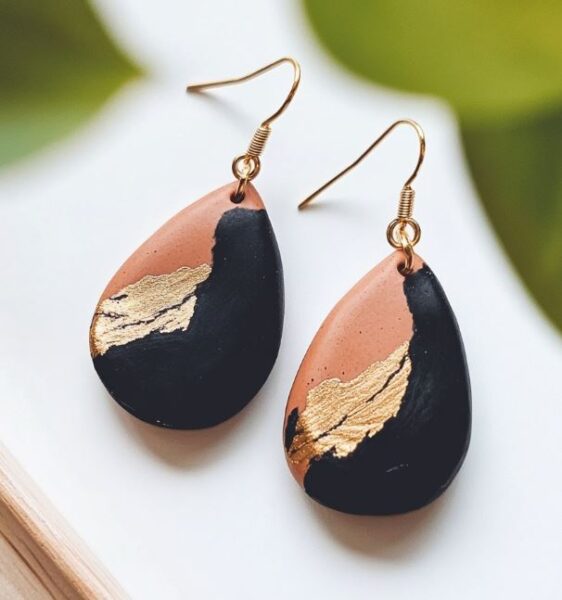
Good photos make a big difference when you’re ready to start selling your polymer clay creations. Bright, clear pictures help people see all the little details and colors in your work. Try using natural light near a window or a small lightbox to get soft, even lighting. Keep your background simple so your products stand out.
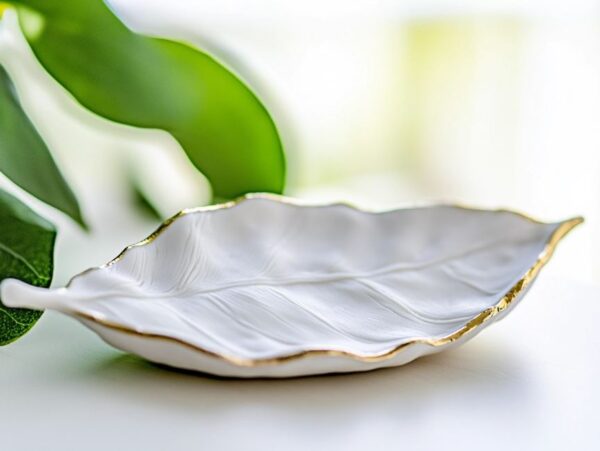
White, wood, or neutral colors work best. Take a few close up shots and a few wider ones that show how the item looks when worn or displayed.
7. Set Up Your Online Shop
Once you have a few finished pieces and nice photos, it’s time to open your shop. You can start on platforms like Etsy, if you want to keep things simple. Write clear product titles and SEO descriptions that tell people exactly what they’re buying. Be sure to include details like size, materials, and care tips.
Add a short story about what makes your creations special. It helps people feel more connected to your work. Keep your shop looking clean and easy to browse so buyers can quickly find what they love.

8. Promote Your Polymer Clay Business Online
Once your shop is set up, it’s time to spread the word. Share your creations on social media like Instagram, Pinterest, and TikTok to reach more people. Post behind the scenes photos, short videos of your process, and new product updates. People love seeing how things are made and getting to know the person behind the shop. You can also join online craft groups or partner with other small creators to help each other grow.
9. Price Your Polymer Clay Products
Setting fair prices for your creations helps your business grow while valuing the time and care you put into each piece. Start by adding up the cost of your materials, packaging, and any small tools you use. Then think about how long each item takes to make because your time has value too. Look at what similar handmade items sell for so you can stay competitive without selling yourself short.
It’s okay to adjust your prices as you gain more experience or upgrade your materials. Have some low end and high end pieces that range from $20 to over $100 for gift sets.
10. Pack and Ship Your Orders
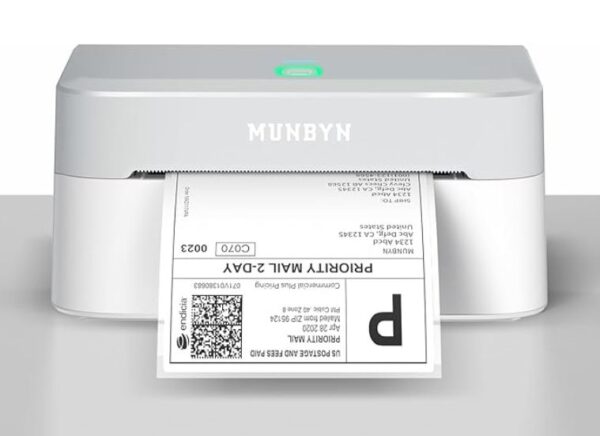
When it’s time to send out your orders, you want them to arrive safe and looking nice. Use small boxes or padded mailers to protect your polymer clay pieces, and wrap each item in soft tissue paper or bubble wrap. Add a thank you note discount card for a next order to make your package feel personal and special. Using a thermal label printer is a lifesaver when it comes to making shipping labels.
11. Keep Track of Your Inventory
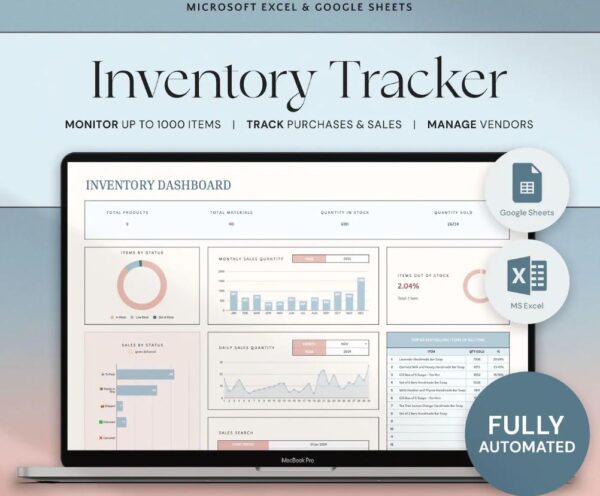
Keeping your inventory organized makes running your polymer clay business much easier. You can use simple spreadsheets or take advantage of programs right on Etsy that help track what you have, what’s sold, and what needs restocking. Make a habit of updating your inventory after each sale so you always know what’s available. This helps you plan new products and avoid running out of popular items.
12. Start A YouTube Channel
There are lots of ways to grow your polymer clay business once you’re up and running. You can start a YouTube channel to show your progress, share tutorials or even show how you package orders. People love seeing behind the scenes content. Social media is another great way to reach new customers, so post regularly and share your newest creations. If you are shy, you don’t have to show your face. Faceless YouTube channels that just show hands are very popular.
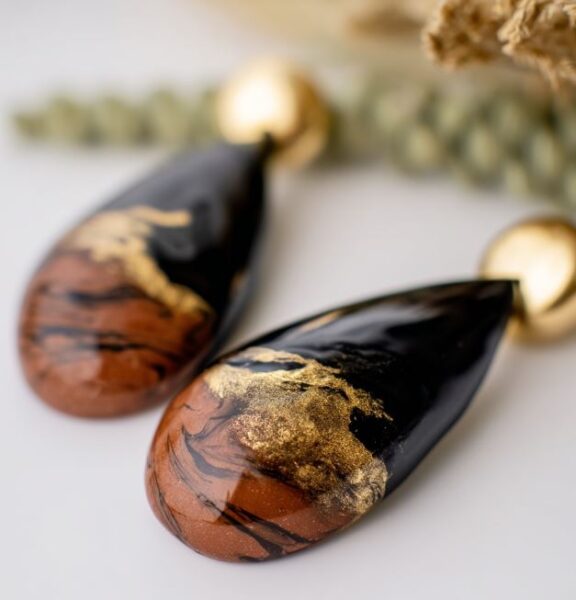
Starting your own polymer clay business is an exciting way to share your creativity and make extra income doing something you love. From picking the best clay and tools to taking great photos and promoting your shop online, every step brings you closer to turning your hobby into a real business.
Keep practicing, stay organized, and don’t be afraid to try new designs or share your process with your audience. If you found this guide helpful, make sure to share it with a friend who also loves polymer clay and crafting. This could inspire someone else to start their own business too!