Why Kids Should Not Use Epoxy Resin
You might be asking, is epoxy resin ok for kids to use? The answer is no, and here are the reasons why children should never use epoxy or UV resin. Resin and UV resin are amazing for creating jewelry, art pieces, and crafts, but they are strong chemicals that require careful handling. Both epoxy and UV resins can release fumes and are not safe for kids to use. Protective gear, proper ventilation, and careful measuring are important, which is why these materials should only be used by adults.
When my daughter saw me working on a resin project, she was so excited to try it herself. I explained that epoxy resin isn’t safe for kids, and instead we found some fun, kid-friendly alternatives that let her get creative without any risk which I’ll share below.
Why Kids Should NOT Use Epoxy Resin
On this blog, I never suggest kids or children using epoxy resin or UV resin. Ever. I consider this an adult craft. Even adults need to seriously look into the safety precautions when working with epoxy and resin.
1. Epoxy Resin Can Be Toxic
Epoxy and UV resin contain chemicals that can be harmful if touched, inhaled, or ingested. Kids have more sensitive skin and lungs, so even small exposure can cause irritation or allergic reactions. Many epoxy resins release fumes while curing, which can be unsafe in enclosed spaces. Even if it says non-toxic, these are still chemicals that have a reaction when mixed. Read up on this article that answers the questions about epoxy resin being toxic.

2. Epoxy Resin Gets Hot
Epoxy resin can generate heat as it cures, especially in larger pours or deep layers. It can get surprisingly warm, so it needs to be handled carefully. Kids might not understand this. Epoxy resin hardens through a chemical reaction between the resin and hardener, and that reaction naturally creates heat. If the mixture is not measured or stirred correctly, the reaction can become stronger and produce even more warmth. Pouring the liquid too deeply in one layer can also trap heat inside the mixture, causing the temperature to rise much higher than expected.
3. Potential Eye Irritation
Epoxy resin and hardener can irritate the eyes if a splash happens during mixing or pouring. Even a small amount that gets into the eye can cause serious irritation or even damage. Working with resin requires careful handling and protective eyewear to reduce the chance of contact. Younger users may not fully understand the importance of eye protection while working with these materials. Protective eyewear is a must for anyone working with epoxy resin.
4. Handling and Measuring
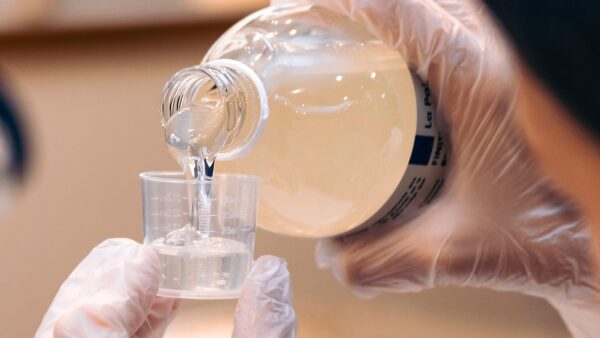
Epoxy resin require precise measuring and careful mixing to work properly. The resin and hardener must be measured in the correct ratio. Incorrect mixing can also produce excessive heat, cloudiness, or sticky resin. The curing process depends on this balance, and even small changes in the amounts can affect how the mixture hardens. Stirring slowly and thoroughly is also important so both parts combine evenly. This level of precision and careful handling can be difficult for children, which is one reason epoxy resin projects are better suited for adults.

5. Long Term Health Risks
Repeated exposure to resin fumes and chemicals can have long term effects. Respiratory issues, skin sensitization, or other health problems can arise if kids are exposed frequently. Even short term contact can cause lasting reactions in sensitive individuals.
6. Hard to Clean Spills
Epoxy resin is very sticky before it cures, so spills can quickly become messy. If it gets on your hands or skin, it can take time and proper cleaning supplies to remove it completely. The liquid can also spread across tables, tools, and floors if it is knocked over. Because of the sticky texture and the care needed during cleanup, handling accidental spills can be challenging for children.
7. UV Resin Requires a Cure Light
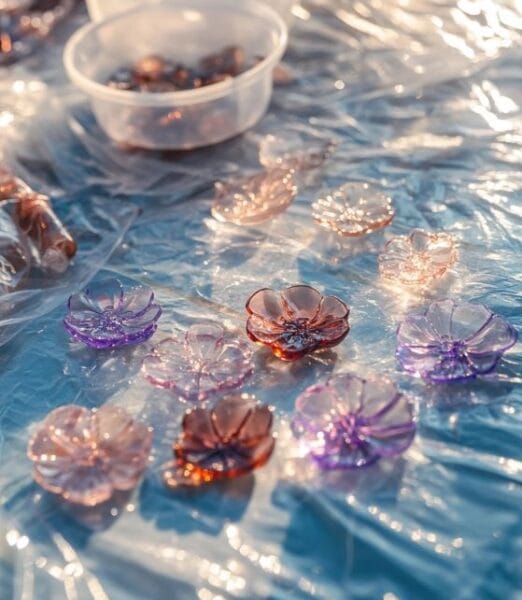
UV resin hardens under UV light, which can be harmful if shined directly into the eyes. Kids may not understand the dangers and could accidentally look at the light. Improper use can also result in resin that doesn’t cure properly, leaving sticky or unusable pieces.
8. Small Pieces & Particles
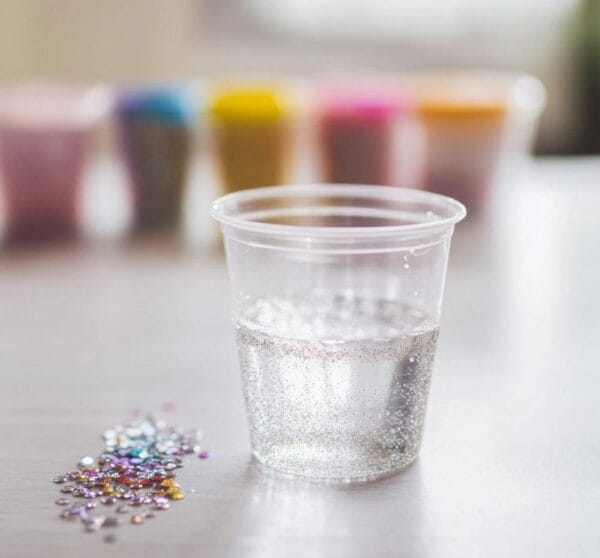
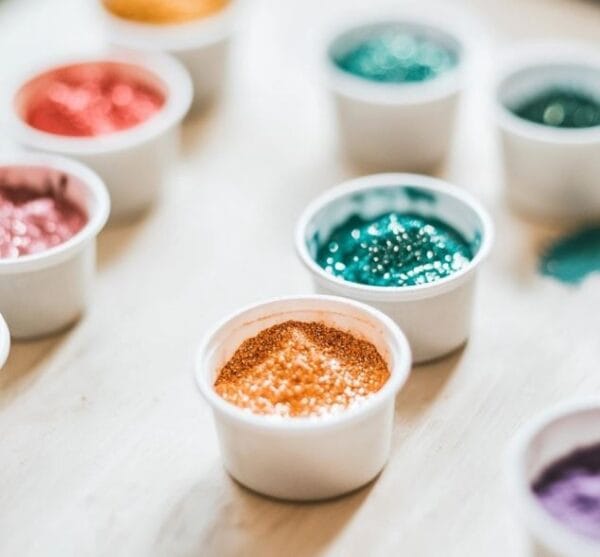
Many resin projects include tiny items such as charms, beads, or glitter mixed into the design. These small pieces can be a choking risk for younger children. Very fine powders like mica and glitter can become airborne while being handled, which makes them something that should be used with care.
9. Strong Odors
Some epoxy resin products have a noticeable smell during mixing and curing. These odors come from the chemical ingredients reacting as the resin hardens. Working with these materials usually requires a well ventilated area so fresh air can circulate. Because of this, resin projects are better handled by adults who can set up a safe workspace and manage the environment properly. Kids are more sensitive to fumes and may feel dizzy, nauseous, or develop headaches.
10. Long Curing Time
Epoxy resin takes several hours to days to fully harden, depending on the type and thickness of the pour. During this time, the project needs to stay undisturbed, which requires patience and careful supervision. Kids may not be able to wait or understand why they can’t touch the resin while it’s still curing, which can lead to accidents or ruined projects.
Alternatives To Using Epoxy & UV Resin
When it comes to crafting with kids, it’s important to steer clear of epoxy and UV resin. Even though these materials can create beautiful glossy effects, they pose risks like chemical exposure, fumes, and heat during curing. The good news is there are plenty of safe, non-toxic alternatives that can give similar finishes without the hazards. Here are some favorite kid-friendly options.
Mod Podge
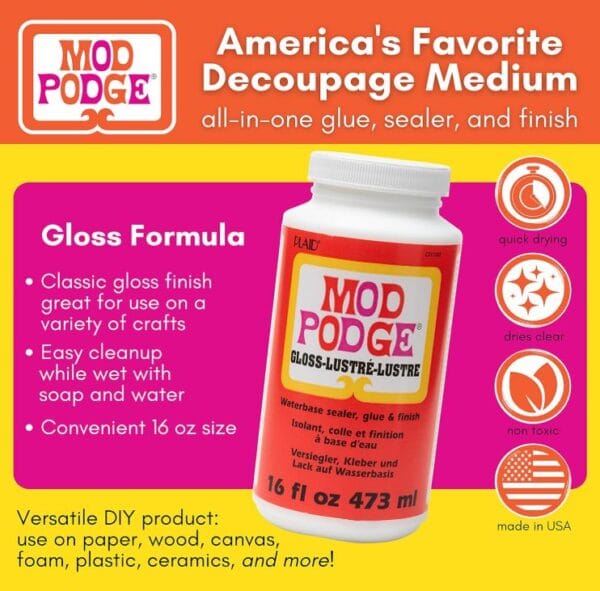
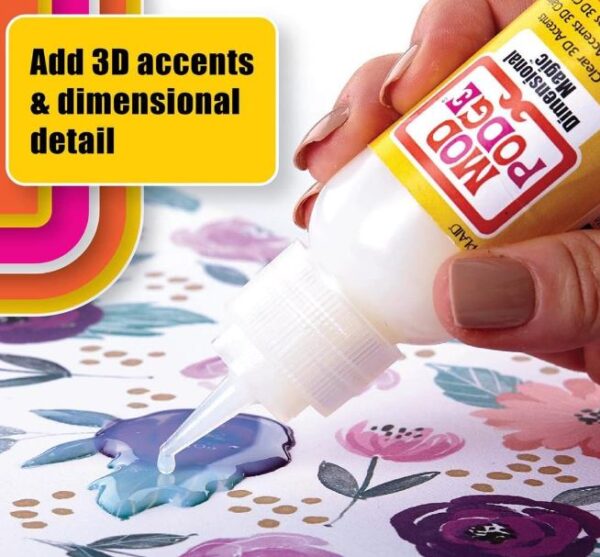
Mod Podge is a classic choice for kids’ crafts. It’s a water-based sealer that gives a glossy, finished look without any harmful fumes or heat. Kids can use it on paper, fabric, or even small clay projects. It’s easy to clean up with just soap and water, so there’s no stress about spills or sticky fingers.
Air Dry Clay
Air dry clay is a fantastic, non-toxic option for kids’ crafting. It’s soft, easy to mold, and doesn’t require baking or heat. Kids can shape figures, beads, ornaments, or small sculptures and let them dry naturally over several hours or a day, depending on thickness.
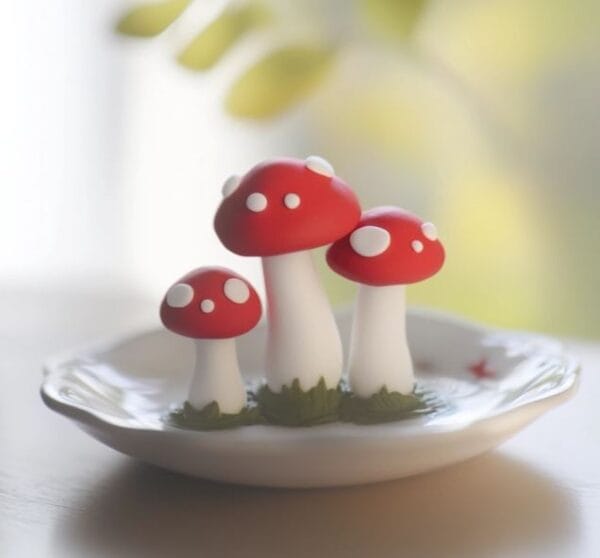
Once dry, the pieces can be painted, sealed with Mod Podge, or decorated with markers and glitter for a shiny finish. This clay encourages creativity without any of the risks associated with resin or UV curing, and cleanup is simple with just soap and water.
Thanks for reading! Resin can be tricky, and it’s important to understand the safety risks before letting anyone, especially kids, handle it. Happy crafting!