7 Best Low Viscosity Resins That Flow
Here are the best low viscosity resin brands to use. When you’re working on projects that need smooth detail, like jewelry or molds with tiny spaces, low viscosity resin is a must. It’s thinner than regular epoxy resin, so it flows easily into every corner and pops air bubbles faster. That makes it great for getting the resin right into those little spots inside your molds. In this post, I’m going to share the best low viscosity resins, and what to look for when you’re choosing one for your projects.

I’ve used low viscosity resin for everything from glitter cabochons to filling cracks on a wooden table, and it really does make a difference. It makes it easy to pop the bubbles since they come up right away, and you will notice the molds come out cleaner with sharper detail. Here’s a helpful article if you are wondering about how thin you can pour epoxy resin.

What Is Low Viscosity Resin?
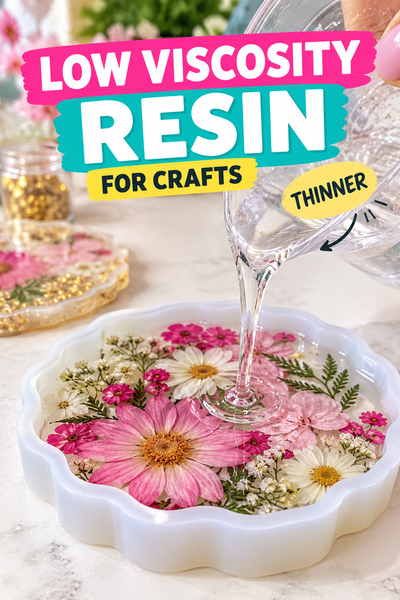
Low viscosity resin is a thinner, runnier type of resin that flows easily into molds and around small items like glitter or dried flowers. It spreads smoothly and helps reduce bubbles, which makes it great for detailed projects. If you’re working with things like jewelry or layered designs, this kind of resin can make your project turn out much cleaner.
Best Low Viscosity Resin
This list includes the best choices for low viscosity UV resin and low viscosity epoxy resin.
1. Let’s Resin Low Viscosity UV
Let’s Resin low viscosity is one I’ve used for tons of projects, and it always pours super smooth. It’s great for detailed molds or when you want the resin to settle into tiny spaces without bubbles. If you’re new to resin or just want something that’s easy to work with, this one’s my first choice. Remember with UV resin, you will need a cure light. See this list of UV lights that will cure resin.

2. JDiction Low Viscosity UV Resin
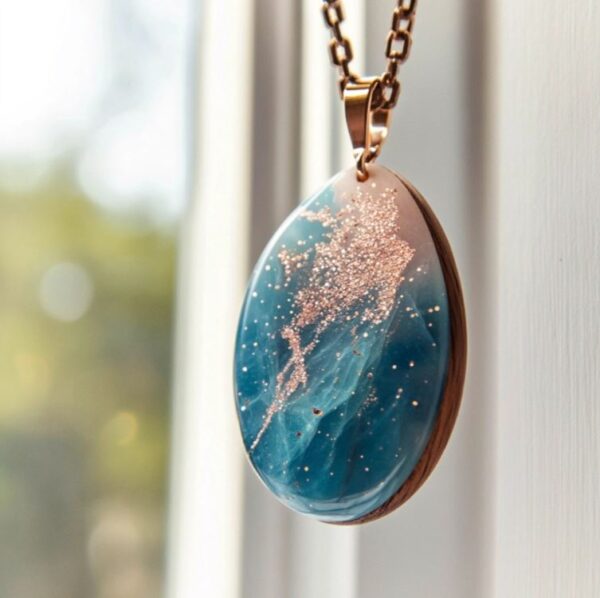
JDiction UV resin is another brand I use all the time, especially when I’m making cute domino pendants. It cures fast with a UV light and has a smooth, glossy finish. I’ve used it for a long time and never had problems with yellowing so far. Another thing that I like about this low viscosity resin is that there are minimal bubbles to pop.

3. JDiction Low Viscosity Epoxy
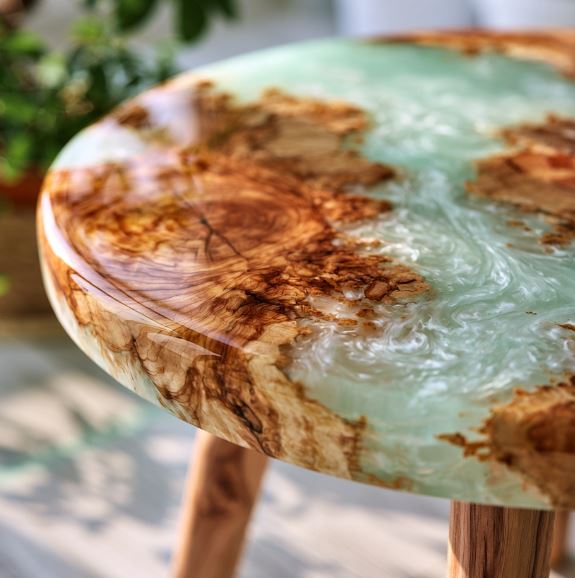
JDiction low viscosity epoxy resin has been working great for a resin table I’m making right now. It mixes easily and pours amazingly into the small cracks in the wood, which is exactly what I needed for a big project like this. It also has a nice working time, so I don’t feel rushed while pouring.

Here’s a table I’m working on right now with JDiction Low viscosity epoxy. It’s working great, and I have fewer bubbles to pop than with many other resins I’ve used.

4. Craft Resin Epoxy
Craft Resin is a great choice if you’re just getting started with epoxy projects. It can be used for both small crafts and bigger things like tables because it cures clear and is easy to work with. It’s a beginner friendly brand that still gives a professional finish.

5. SuperClear Low Viscosity Epoxy
I haven’t tried Liquid Glass resin yet, but it’s definitely on my list. The reviews are full of people saying how crystal clear and glassy their pours turned out fantastic because of the low viscosity. It looks like a good option for anyone working on deep, glossy resin projects. So if you need a large quantity for your deep pours, then this brand is a good one to try.

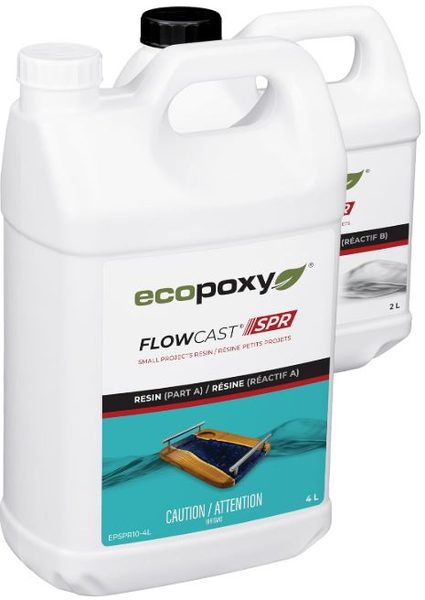
6. EcoPoxy FlowCast
EcoPoxy FlowCast is handy for making wood and resin coasters, especially when you want a little river of color between two pieces of wood. It flows into the little dips along a bark edge. Try arranging the wood in your mold first so you can see where that river will run. Leave the resin clear to show off the shape of the wood, or add a little blue pigment for a water effect.
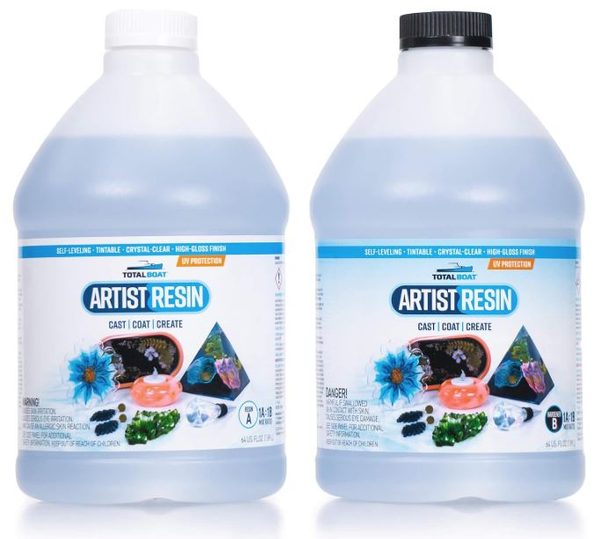
7. TotalBoat Crafting Epoxy Resin
I was excited to see that TotalBoat has a resin that crafters can use for their projects! This low viscosity epoxy spreads easily, making it handy for coating wooden signs and decorative panels while letting the wood grain show through. You can also add resin pigments to bring some color to your project.
Tips for Using Low Viscosity Resin
Seal Both Ends of a Crack Before Filling It
If you’re filling a crack in a wooden tabletop, follow it all the way to the edge and check the underside. Thin resin can run out through a gap that’s barely visible from above. Seal any openings with epoxy release tape, press the edges down firmly, then add a small amount of resin. Check underneath for drips before you fill the rest.
Use a Toothpick to Fill Fine Mold Details
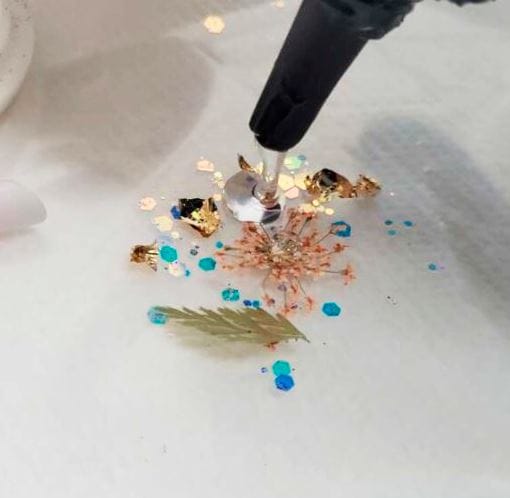
For a mold with lettering or flower petals, put a few drops of resin in the detailed area first. Use a toothpick to guide the resin along each groove, especially at the tips of letters and petals. With a clear mold, you can look underneath to spot trapped air while it’s still easy to reach.
Pour From One Corner of a Pendant Mold
When filling a long domino pendant mold, start at one short end and let the resin travel toward the other. Slow down when the bottom is covered. For the last few drops, use a pipette so you can fill the corners without pouring over the rim.
Check Pour Depth Before Filling a Deep Mold
Measure the deepest part of your mold and compare it with the maximum layer depth on your resin label. A resin can be thin enough to flow into a deep space but still need several pours to fill it. If you’re using UV resin, check the layer thickness and cure each layer as directed before adding more.
Anchor Dried Flowers Before the Main Pour
A dried flower can float or slide when thin resin flows underneath it. For an epoxy pendant, pour a shallow base layer and wait until it’s tacky enough to hold the flower in place. Set the flower where you want it, then add the next layer within the recoat time listed for your resin. Pour beside the petals so the stream doesn’t push them out of place.
I hope this helped you find the best low viscosity resin for your next project. It’s one of those supplies that once you try it, you’ll wonder why you waited. Make sure to save this post so you can come back when you’re ready to stock up. And if you’re into resin like I am, there’s lots more on this blog. Thanks for reading!
More resin articles