how thin can you pour epoxy resin
This guide will help you with your question: How thin can you pour epoxy resin? Epoxy resin can be poured in many thicknesses, but how thin you can pour it depends on the type of resin and the project you’re working on. Some resins are made for thin coatings, while others are meant for deeper pours.
The thickness affects how the resin cures, how clear it looks, and how strong the final piece will be. Pouring epoxy too thin can sometimes cause uneven curing or surface texture, so it’s important to use the right kind for your project and follow the manufacturer’s directions.
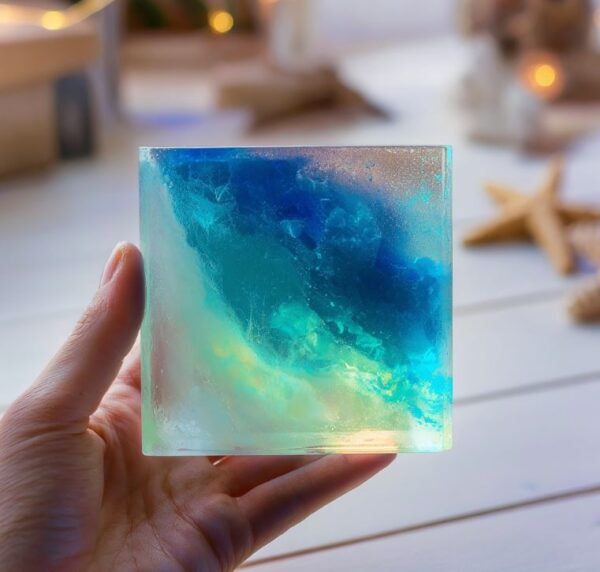
I’ve worked with many types of epoxy, and I’ve learned that even small changes in pour thickness can make a big difference. If you’re making coasters, jewelry, or thin art pieces, you’ll want to use a coating resin that’s made for thin layers. These give a smooth, glossy finish and cure evenly without overheating. Let’s go over how thin you can pour epoxy resin and still get great results.
How Thin Can Epoxy Resin Be Poured?
Understanding Pour Thickness for Epoxy Resin
Most epoxy resins are designed for a specific pour depth. Coating resins are made for thin layers, usually around 1/8 inch thick, which makes them good for things like tabletops, jewelry, and art projects. Deep pour resins, on the other hand, can be poured up to 2 inches thick or more in one layer, depending on the brand. Double check what kind you have. If you pour too thin with a deep pour formula, it might remain slightly tacky since some of the formulas need the extra heat to cure it hard. A thin pour will not heat up very much.
When Thin Coats Are Better
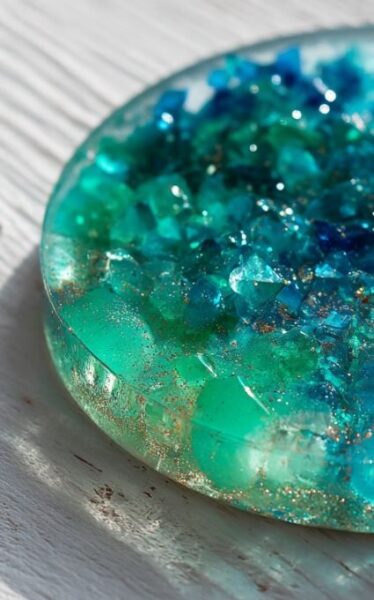
Thin epoxy layers are perfect for projects where you don’t want a deep or heavy finish. They work well for sealing tabletops, small art pieces, jewelry, or even coasters, where you just need a protective, glossy surface. Using a thin layer reduces the chance of bubbles forming and helps the resin cure evenly without overheating.

Thin coats are also easier to control, especially for detailed work or projects with textures, like wood grain or embedded objects. If you’re adding color or glitter, thin layers let you build up effects gradually. Plus, thin pours cure faster, so you don’t have to wait as long to add another layer or finish your project. Here’s a tutorial on how to resin a painting using a thin coat of UV resin.
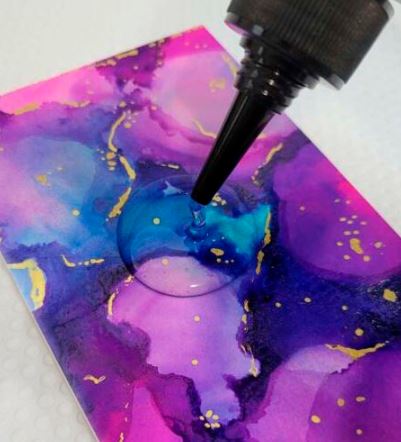
The Thinnest You Can Pour Epoxy Resin
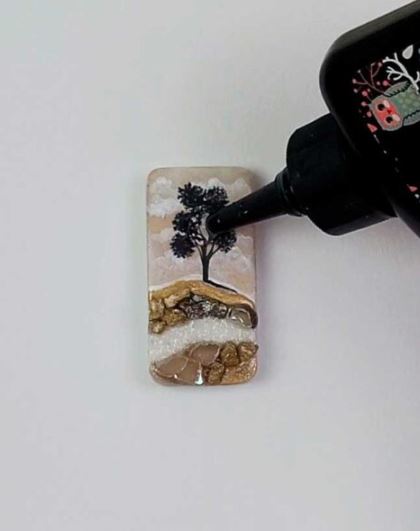
For most coating resins, the thinnest you can pour is around 1/16 inch. Anything thinner than that can lead to uneven coverage or surface tension issues. If you need only a light layer for sealing or shine, use a foam brush or spreader instead of pouring. This gives you more control and helps avoid wasted resin. For small, delicate projects like jewelry or charms, a thin coat still gives you strong protection and a polished look. This domino pendant was made with a very thin pour of UV resin. Here’s the tutorial on how to make a UV domino pendant.
Tips for Pouring Thin Layers of Epoxy
Pouring thin resin layers takes a little patience. Here are a few tips that help:
- Work on a level surface so the resin spreads evenly.
- Let each layer cure fully before adding the next one. This helps soft spots or cloudy areas.
- Mix slowly and thoroughly to avoid adding air into the resin.
- Use a heat gun or torch to pop surface bubbles after each pour.
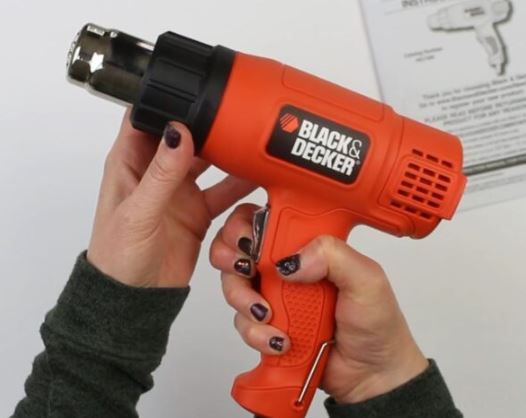
I currently use a black and decker heat gun for my resin tables and crafts. I have a helpful article about the best crafting heat guns to use.
Use a low viscosity resin
For thin pours, a lower viscosity epoxy resin is usually best. Low viscosity resins are more fluid, so they spread easily across the surface and settle into small details. High viscosity resins are thicker and tend to hold their shape, which can make them harder to spread evenly. Using a thinner, low viscosity resin helps you get smooth, level coverage for coatings, small projects, or delicate details.
Switch To UV Resin
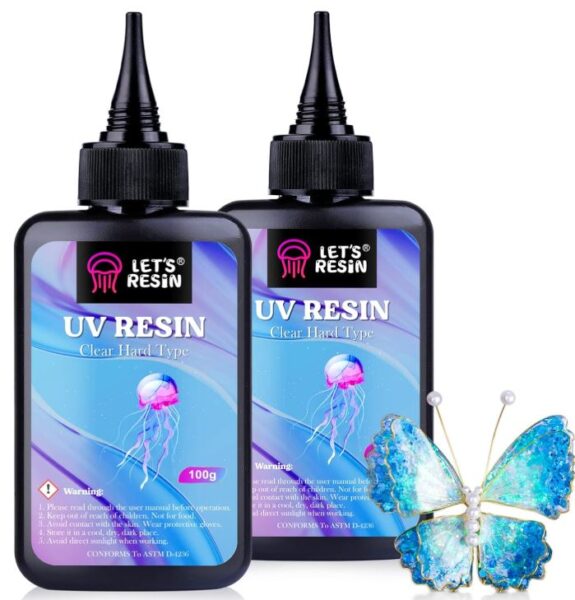
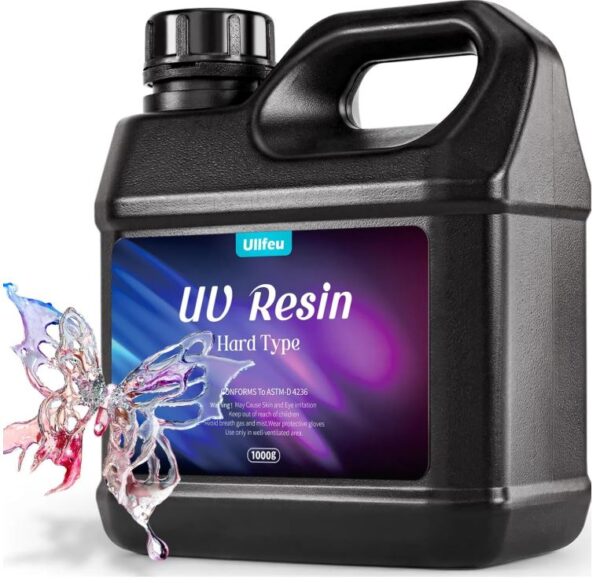
If you only need a very thin coat, you might want to try using UV resin instead. UV resin works great for small projects or touch ups because you can brush or paint it on in a thin layer. It cures fast under a UV light for resin. I twill cure usually within a few minutes, and gives a resin finish without mixing or waiting hours to harden. This makes it a good choice for sealing small pieces or giving coasters and charms a polished top coat.
Understanding how thin you can pour epoxy resin makes your projects easier and more successful. If you try a thin coat or use UV resin for small details, you’ll get smooth, glossy results every time. Happy crafting.