ArtResin Epoxy Review: From A Resin Blog
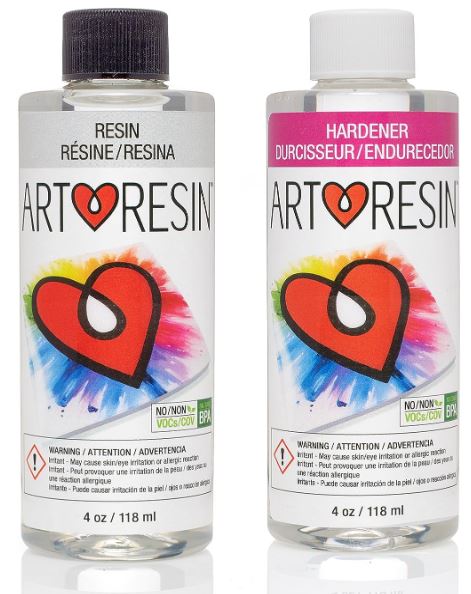
Welcome to this ArtResin epoxy review. I’ll show you some things I like about this resin brand and some things to be aware of when using it. This is a top selling two part epoxy resin for crafters. In this review of ArtResin, I will tell you all about the qualities, applications, and experiences I have with this resin.
ArtResin is known for its high quality formula of resin and hardener. It’s one of the resins that I have worked with quite a bit over the years and I have some great information on this brand for you today.
Is ArtResin really the best brand for resin for artwork, resin crafting, resin pours and DIY jewelry? I would say that it is up there with the top resins for crafters for sure. But there is very important information to know before ordering from this brand.
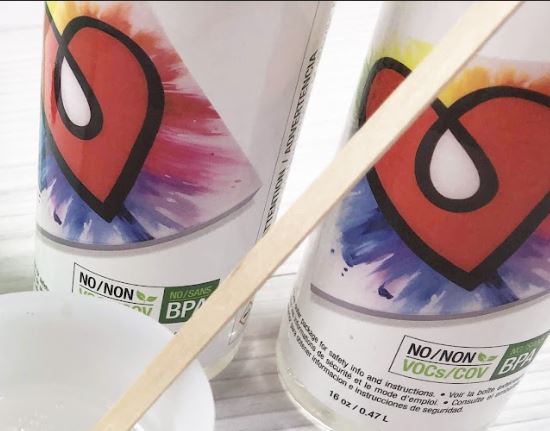
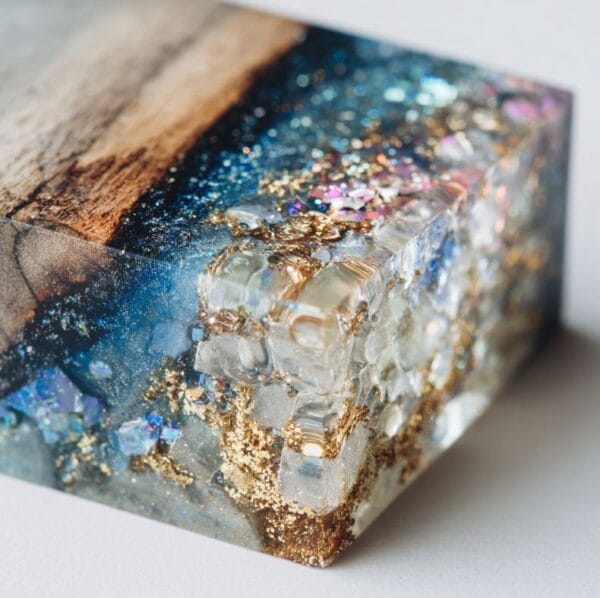
This ArtResin epoxy review will give you some great info. So, let’s check out the uses of ArtResin together. I’ve been working with epoxy resins since 2017 and so this ArtResin epoxy review comes based on personal experience on how it really works and what you can expect from using this epoxy resin. It’s been tested for geode resin art and jewelry.
ArtResin Epoxy Review
Who is ArtResin?
ArtResin is a brand of epoxy resin created by artists and founders Rebecca and Mike Anderson. They established the company ArtResin Inc. with the goal of providing artists and crafters with high quality epoxy resin products. They have products like resin and resin tints that are great for crafters and pros who use resin.
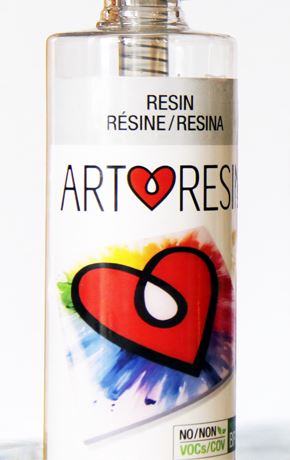
Over the years, ArtResin has gotten really popular among the art and crafting communities. They do their best to give you a really good quality resin and I have found that they have great customer service whenever I had a question. It’s a well known brand that has epoxy resin products specifically designed for arts and crafts. This brand is one of the top resins for pouring onto canvas art.
Epoxy resin is a liquid material used by artists, crafters, and DIY’ers to create a glossy, clear, and durable finish on various surfaces including layering for painting on resin. One of the uses for this type of epoxy is to pour it on paintings to give your art that glossy finish. Another thing that is handy is that this brand has some really good resources, tutorials, and support on their website. They also have a handy YouTube channel too.
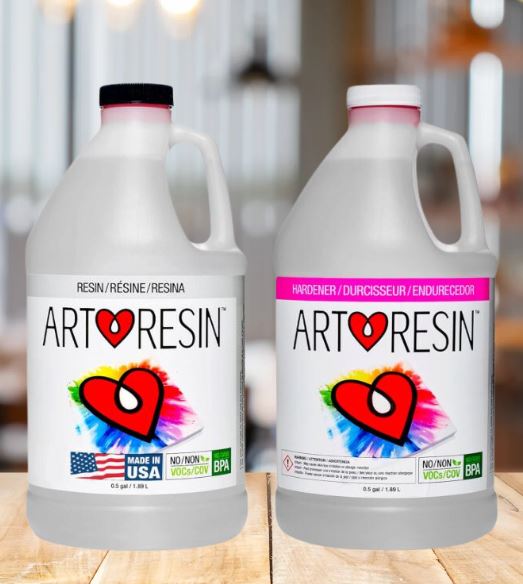
Ways To Use ArtResin
Resin Art
Artists use ArtResin to create glossy artworks, such as resin paintings, sculptures, and resin jewelry.
Coating and Finishing
Use it as a protective layer. It can be applied as a protective and glossy topcoat for paintings, photographs, wood, canvas, and other surfaces. It’s one of the epoxy’s to use for resin on canvas art. I’ve covered paintings with it to make them super shiny and they turned out perfectly.
Mixed Media
Many artists incorporate ArtResin into mixed media projects to add depth, shine, and dimension to their creations.
DIY and Crafts
Crafters and hobbyists use ArtResin to make unique items like resin coasters, serving trays, and tabletops. You can also use this for doming resin.
Home Decor
ArtResin can be used to create home décor items. It’s used for resin river tables and for decorative items like resin geodes.
Pros & Cons Of ArtResin
Pros For Using ArtResin
- Clarity and Gloss: ArtResin has a crystal-clear, high-gloss finish so you art won’t look cloudy.
- Self-Leveling: Has self-leveling properties, which means it spreads and settles evenly, minimizing the need for overworking the resin.
- Minimal Odor: Formulated to have a low odor compared to some other resin products, making it more pleasant to work with. The odor is very slight and when using it with open windows and a fan pointing outside, it was barely noticeable.
- Easy to Mix: Simple to mix in equal parts, making it user-friendly for both beginners and experienced artists.
Cons For Using ArtResin
- Price: Epoxy resin, including ArtResin, can be expensive compared to other art supplies, especially if you plan to use it for your craft business.
- Sticky: The resin is very sticky and you will need to be careful or it will get everywhere.
- Ventilation: Even though it has a lower odor than some other resins, you still need to practice resin safety when using it.
- Yellowing: A piece I made about 4 years ago is starting to turn yellow. There are a number of reasons why this could be, it may or may not be the formula. Check the guide about the top reasons why resin may turn yellow.
What Are The product Features Of ArtResin?
Good Clarity
ArtResin gives you a clear, high gloss finish that is super shiny. When I use it, I never have a problem with cloudiness.
UV Resistance
It is formulated to give you resistance to UV light, protecting your projects from yellowing or fading when exposed to sunlight. But take note like I mentioned above, I had a geode resin art piece that has turned yellow over time. This might not be due to the resin, it could have been something else, but I really have no idea. Here is an article about why resin is turning a yellow shade over time.
Self Leveling
ArtResin has self-leveling properties, so that’s going to spread over the item evenly. I made a really large table one time and poured the ArtResin in the middle, and it spread out slowly and levelled.
Non Toxic
When used as directed, ArtResin is certified as non-toxic. See this article for further info that answers questions about if resin is toxic. On this blog, I never recommend using any type of resin around children or pets even if it says non toxic. I consider resin an adult craft and it should be used with safety gear always.
Can Be Used On Many Surfaces
It can be used on a wide range of surfaces, including wood, canvas, paper, and more.
Low Odor
ArtResin is made to have a low odor compared to some other resin products, making it more pleasant to work with. It smells kind of sweet. Some resins that I have worked with are so smelly, that I could barely use them. This one is pretty good for smell.
Easy Mixing
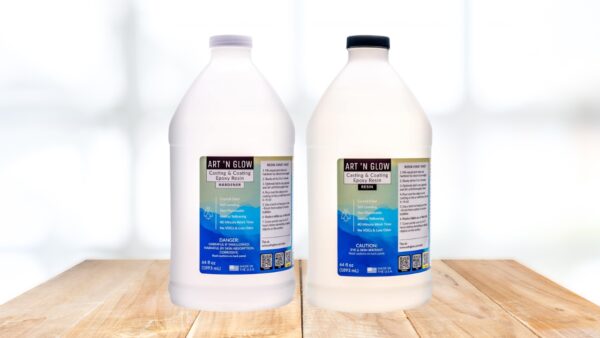
It is simple to mix in equal parts. So it’s one part hardener and one part resin.
Online Resources
The brand has tons of tutorials, FAQs, and support on their main website.
Is ArtResin A Good Choice For Covering Artwork?
The answer is yes. ArtResin is one of the top selling resins for pouring over artwork including canvas art and acrylic paintings. ArtResin has a crystal clear, high gloss finish that makes the artwork super shiny.
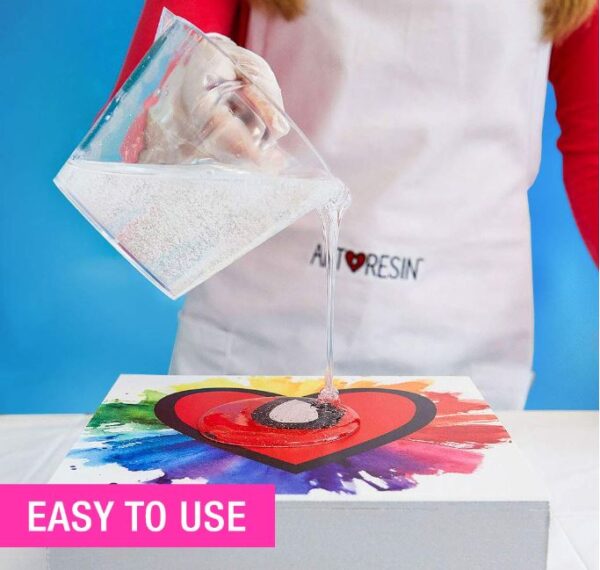
Its self leveling properties makes it easy to use without having to level our the resin yourself. So you get a smooth finish, even covering chunky glitter. You just need to make sure you are on a level surface. If you aren’t the resin will start to slide off of your artwork.
What Are The best Projects For Using ArtResin?
ArtResin can be used for a wide range of resin crafting project ideas. Here are some of the best crafting projects for using ArtResin.
Resin Art
Epoxy resin can be used to make glossy, high-gloss finishes for resin paintings and pour art on almost any surface.
Epoxy Jewelry
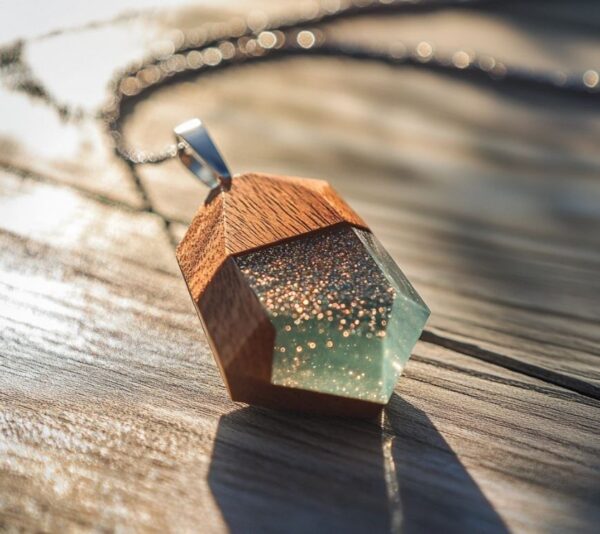
It’s good for crafting custom resin jewelry pieces by embedding objects or adding pigments and dyes to the resin. It’s one of the best brands for resin jewelry making.
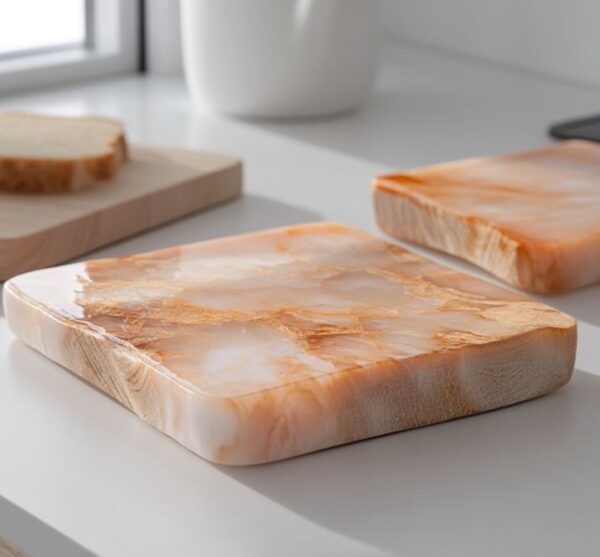
Resin Coasters
Epoxy resin can be used to make functional coasters by pouring it into molds and incorporating decorative elements.
See this article for how to make resin coasters.
Resin Geodes
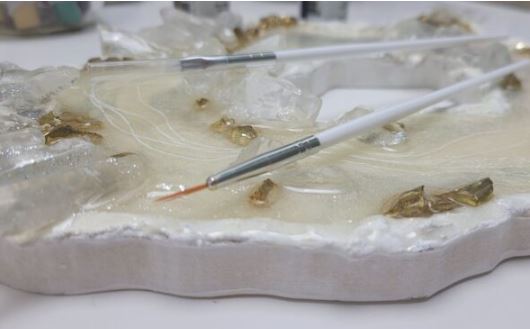
Epoxy resin can be layered and manipulated to create colorful, crystal-like formations on canvas or wooden surfaces, simulating the appearance of natural geodes.
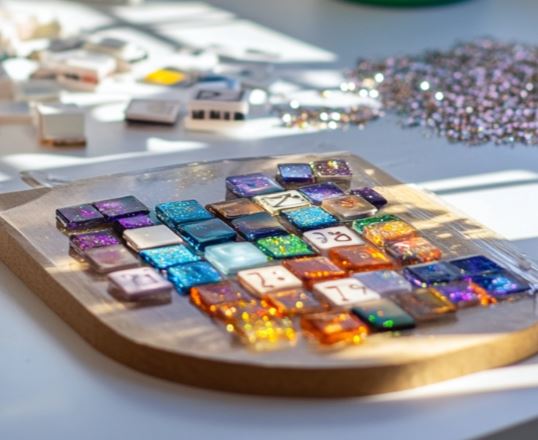
Resin Mosaics
Colored resin tiles can be used to create mosaic-style artwork.
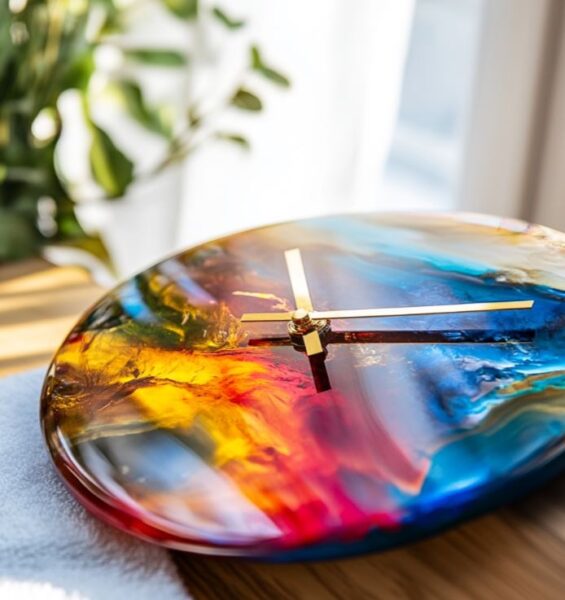
Resin Clocks
Custom clocks can be made with resin-filled designs by embedding clock mechanisms into resin creations.
Resin Sculptures
You can apply it to 3D sculptures or use it to enhance existing sculptures, offering a clear, glossy finish.
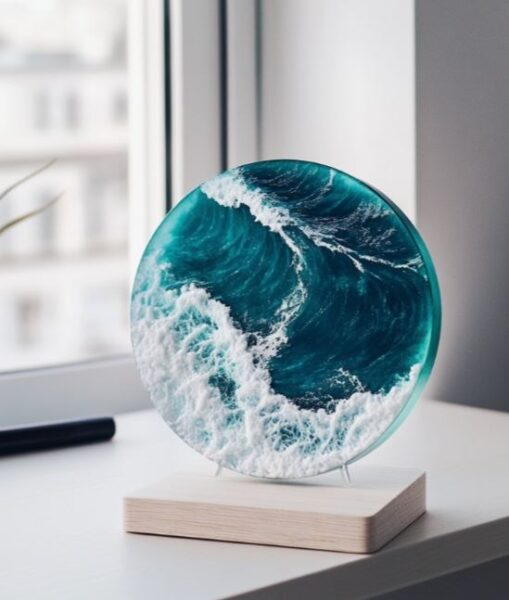
Resin Encapsulation
Epoxy resin can preserve and display objects such as photos, memorabilia, and keepsakes in a clear resin block or pendant.
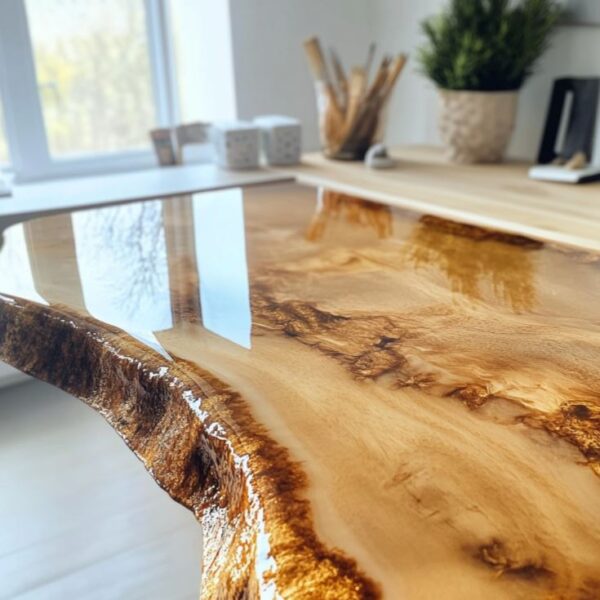
Resin Woodworking
People use epoxy resin to fill voids, knots, or cracks in wooden furniture and décor pieces, creating a smooth and durable finish.
Resin Pet Portraits
You can use tinted resin to create lifelike, 3D pet portraits with layers of epoxy.
Resin Terrariums
You can create miniature landscapes within clear resin terrariums by incorporating figurines, plants, and decorative elements. These are very popular for cottagecore ideas.
Resin Home Decor
Designers can use epoxy resin to add an elegant touch to home décor items such as mirrors, knobs, cabinet pulls or resin trays.
Remember to follow safety precautions and practice your resin pouring techniques before starting complex projects so that you don’t waste the resin.
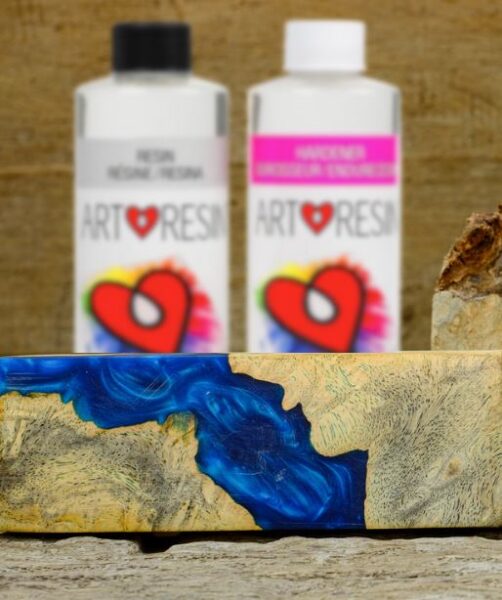
What Does ArtResin Smell Like?
ArtResin has a low odor compared to many other epoxy resin products. While the smell can vary from person to person based on their sensitivity to odors, this brand has a faint, slightly sweet odor. This odor is not rally overpowering and is less noxious than the strong, pungent smells that some other resins have. However, it’s still important to resin in a well-ventilated area with a proper resin respirator.
Proper ventilation and safety precautions are always a must when working with any resin product. See this resin safety guide that answers your questions about using resin.
What Steps Has ArtResin Taken To Stop Yellowing?
ArtResin and similar high-quality epoxy resins protect against yellowing through their UV (ultraviolet) resistance and the chemistry of their formulation. Here’s how they achieve this:
UV Stabilizers
Epoxy resin products like ArtResin often contain UV stabilizers, which are additives that help absorb or block harmful UV rays from the sun. These stabilizers prevent the UV light from penetrating and interacting with the resin.
Non-Porous Surface
Epoxy resin creates a non-porous surface when cured, which means that UV light cannot penetrate deeply into the resin to cause chemical reactions that lead to yellowing.
High Clarity
The high clarity of epoxy resins, such as ArtResin, means that they allow visible light to pass through without significant distortion or interference. This helps maintain the original appearance of the artwork or project by not adding any coloration or tinting that could result in yellowing. Check out this article about why resin turns cloudy.
While epoxy resins like ArtResin are good at slowing down yellowing, it’s important to remember that no material is entirely perfect to the effects of UV light over the years. Artworks and projects that include epoxy resin should still be protected from direct sunlight exposure or they can start to turn yellow.
Is It Non-Toxic?
ArtResin states that is formulated to be non-toxic when used as directed. This means that, when used according to the manufacturer’s instructions, it is generally considered safe for use by artists and crafters. Follow safety guidelines and take the necessary precautions when working with any resin, including ArtResin. This is important when using not only the resin, but glitters that can get into your lungs.
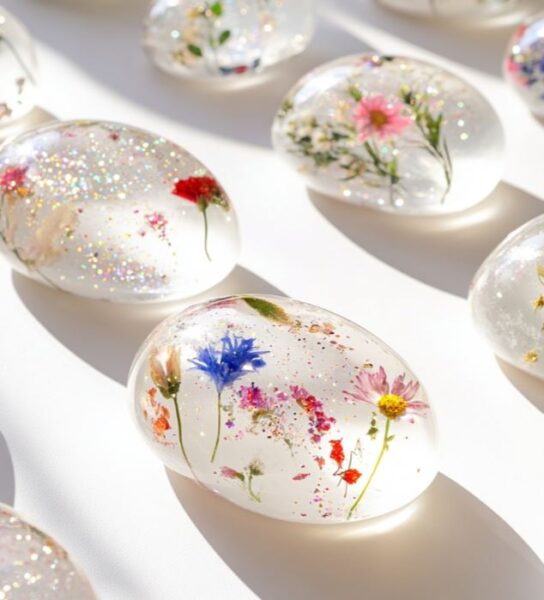
What is The Heat Resistance?
ArtResin epoxy resin has a heat resistance that can withstand typical household temperatures. It is heat-resistant up to temperatures around 120°F (49°C). This means it should be able to withstand exposure to hot beverages, warm dishes, or items commonly found in everyday use. Keep in mind that ArtResin and other epoxy resins are not suitable for use as cooking surfaces, and they should not come into direct contact with open flames or extreme heat sources.
What are The Most Common Problems When Using This Brand?
The most common issues encountered when working with epoxy resin, such as ArtResin, include the formation of air bubbles during mixing and pouring. Also, uneven curing can lead to sticky or tacky areas. Improper measurements or mixing ratios, dust or debris settling on the resin surface, and difficulty in getting a completely bubble-free and crystal-clear finish.
Working time constraints, where resin hardens quickly after mixing, and resin overheating during curing can also be a challenge.Using a heat gun to remove the bubbles will help with jewelry, artwork and geodes. As the resin cures, check on it over the next 20 minutes or so to get rid of any bubbles that come up to the surface.
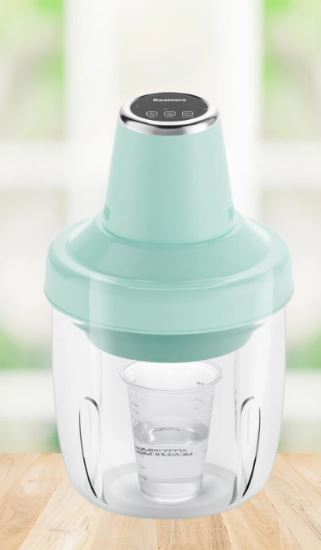
You can also use a resin bubble removal machine to help with bubbles in your cup before pouring.
Is ArtResin Different Than Epoxy Resin?
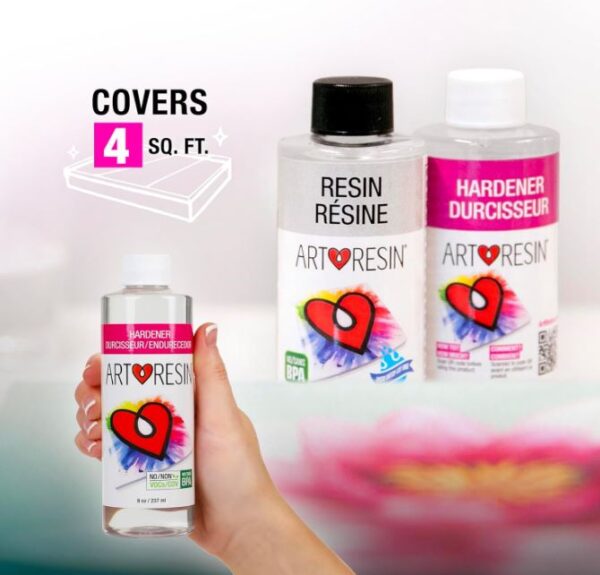
While epoxy resin is a general term for the material, ArtResin is a specific brand within the epoxy resin category. ArtResin is a specific brand of epoxy resin, so they are not different in terms of the basic material used. Epoxy resin is a two-part compound. It consists of a resin and a hardener that, when mixed together, undergo a chemical reaction and cure to form a solid, durable, and clear finish. If you use resin long enough, you will be able to tell right away if you are using a bad formula by smell and the way it’s curing or mixing.
Is ArtResin Safe To Use Without A Mask?
No, never use any type of epoxy resin without proper PPE protection. This blog always recommends using a proper mask even if the resin states that is non toxic.
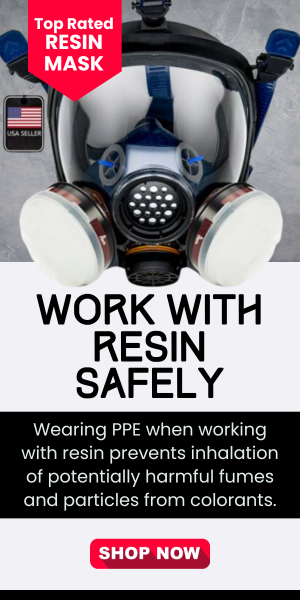
It’s a good practice to wear a mask or respirator when working with resin. Especially if you have heightened sensitivity to odors. Proper ventilation will disperse any fumes, and a mask can provide an extra layer of protection. When using any resin, including ArtResin, always follow the manufacturer’s safety guidelines and recommendations.
Is ArtResin Waterproof?
For this Artresin epoxy review, I tested to make sure it is completely waterproof. Yes, ArtResin epoxy resin is waterproof once it has fully cured. Epoxy resin, including ArtResin, forms a water-resistant and durable surface when it has completed the curing process.
This makes it good for a wide range of uses where waterproofing or protection from moisture is required. Examples are coating surfaces, sealing artwork, and creating waterproof layers on various materials. It’s important to note that the curing time can vary depending on factors like temperature and humidity. Allow sufficient time for the epoxy resin to fully harden and become waterproof before subjecting it to water or other liquids.
What Other Products Do They Have?
One product category they offer is liquid pigments. These pigments are specifically designed to work with ArtResin epoxy resin. The liquid pigments come in a variety of colors and are highly concentrated. This lets you get a good saturation of color with just a few drops.The liquid pigments can be used for pretty much any crafting thing, including resin art, jewelry making, home decor, and more.

How Long does artResin take to cure?
The cure time for ArtResin epoxy resin can vary depending on factors like temperature and humidity. As a general guideline, ArtResin typically reaches a tack-free state in about 24 hours and is considered fully cured in approximately 72 hours. This means that you should not touch or disturb the resin surface for at least 24 hours to stop fingerprints or marks. I wait about 72 hours so I know that the thing has reached a hard cure.
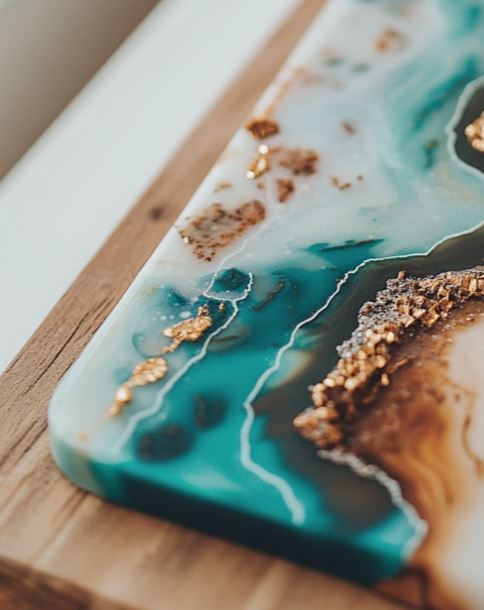
Keep in mind that curing times can be affected by the thickness of the resin layer and environmental conditions, so it’s always a good to follow their instructions.
Are There Brands That Cure More Quickly?
UV resin will give you a quick cure. UV resin cures fast when exposed to ultraviolet (UV) light, often within minutes, which makes it an excellent choice for projects that need to get done fast. This type of resin is used in jewelry making or small crafts where a fast turnaround is needed.
UV resin may not be suitable for all projects. Its quick curing time can be a disadvantage when working on larger pieces or projects that require careful adjustments or layering. UV resin is typically not as durable as epoxy resin, and it may have limitations in terms of UV resistance and long-term stability.
UV Resin Brands
Does ArtResin Have Good Reviews?
ArtResin generally has positive reviews and a strong reputation in the art and crafting community. Many artists and crafters leave reviews about its glass like appearance and that it’s easy to use.
Thank you so much for reading and spending your time here with me. If this ArtResin review was helpful, please share it with a friend who is thinking about using epoxy.
More Resin Articles
how to make jewelry with epoxy resin.
Inspiring Resin Arts & Crafts